This wooden Ivory Soap box from Procter & Gamble offers a rare glimpse into the early history of American branding, packaging, and industrial life. Before cardboard became commonplace, household goods were shipped in sturdy wooden boxes like this — designed to protect products during transport and to be reused in the home once emptied. Soap boxes in particular were ubiquitous, as soap was an essential household staple and companies relied on durable packaging to reinforce quality and reliability.
Ivory Soap, famously marketed as “99 and 44/100% Pure,” was one of Procter & Gamble’s most successful products and played a significant role in shaping the company’s growth. Its popularity was so great that an entire factory district near Cincinnati became known as Ivorydale, named directly after the soap itself. Built in the 1880s around Procter & Gamble’s manufacturing complex, Ivorydale stands as an early example of an industrial community formed around a single iconic product—cementing Ivory Soap’s place in American commercial history.
Once emptied, wooden soap boxes like this were rarely thrown away. Instead, they were repurposed throughout the home as storage crates, tool boxes, and organizers—an early reflection of practical reuse long before sustainability entered modern vocabulary.
These boxes also gave rise to a lasting cultural phrase. In the late 19th and early 20th centuries, wooden soap crates were often turned upside down and used as makeshift platforms for public speaking in streets and town squares. From political rallies to labor speeches, speakers would stand atop soap boxes to address crowds—originating the term “soapbox oratory,” still used today to describe impassioned public expression.
With its original graphics, aged wood, and visible signs of wear, this Ivory Soap box carries both material and cultural significance. Today, it serves as a striking decorative object—ideal for shelving, tabletop styling, or storage—while offering a tangible connection to early American industry, everyday life, and the origins of a brand that shaped an entire community.
This wooden Ivory Soap box from Procter & Gamble offers a rare glimpse into the early history of American branding, packaging, and industrial life. Before cardboard became commonplace, household goods were shipped in sturdy wooden boxes like this — designed to protect products during transport and to be reused in the home once emptied. Soap boxes in particular were ubiquitous, as soap was an essential household staple and companies relied on durable packaging to reinforce quality and reliability.
Ivory Soap, famously marketed as “99 and 44/100% Pure,” was one of Procter & Gamble’s most successful products and played a significant role in shaping the company’s growth. Its popularity was so great that an entire factory district near Cincinnati became known as Ivorydale, named directly after the soap itself. Built in the 1880s around Procter & Gamble’s manufacturing complex, Ivorydale stands as an early example of an industrial community formed around a single iconic product—cementing Ivory Soap’s place in American commercial history.
Once emptied, wooden soap boxes like this were rarely thrown away. Instead, they were repurposed throughout the home as storage crates, tool boxes, and organizers—an early reflection of practical reuse long before sustainability entered modern vocabulary.
These boxes also gave rise to a lasting cultural phrase. In the late 19th and early 20th centuries, wooden soap crates were often turned upside down and used as makeshift platforms for public speaking in streets and town squares. From political rallies to labor speeches, speakers would stand atop soap boxes to address crowds—originating the term “soapbox oratory,” still used today to describe impassioned public expression.
With its original graphics, aged wood, and visible signs of wear, this Ivory Soap box carries both material and cultural significance. Today, it serves as a striking decorative object—ideal for shelving, tabletop styling, or storage—while offering a tangible connection to early American industry, everyday life, and the origins of a brand that shaped an entire community.

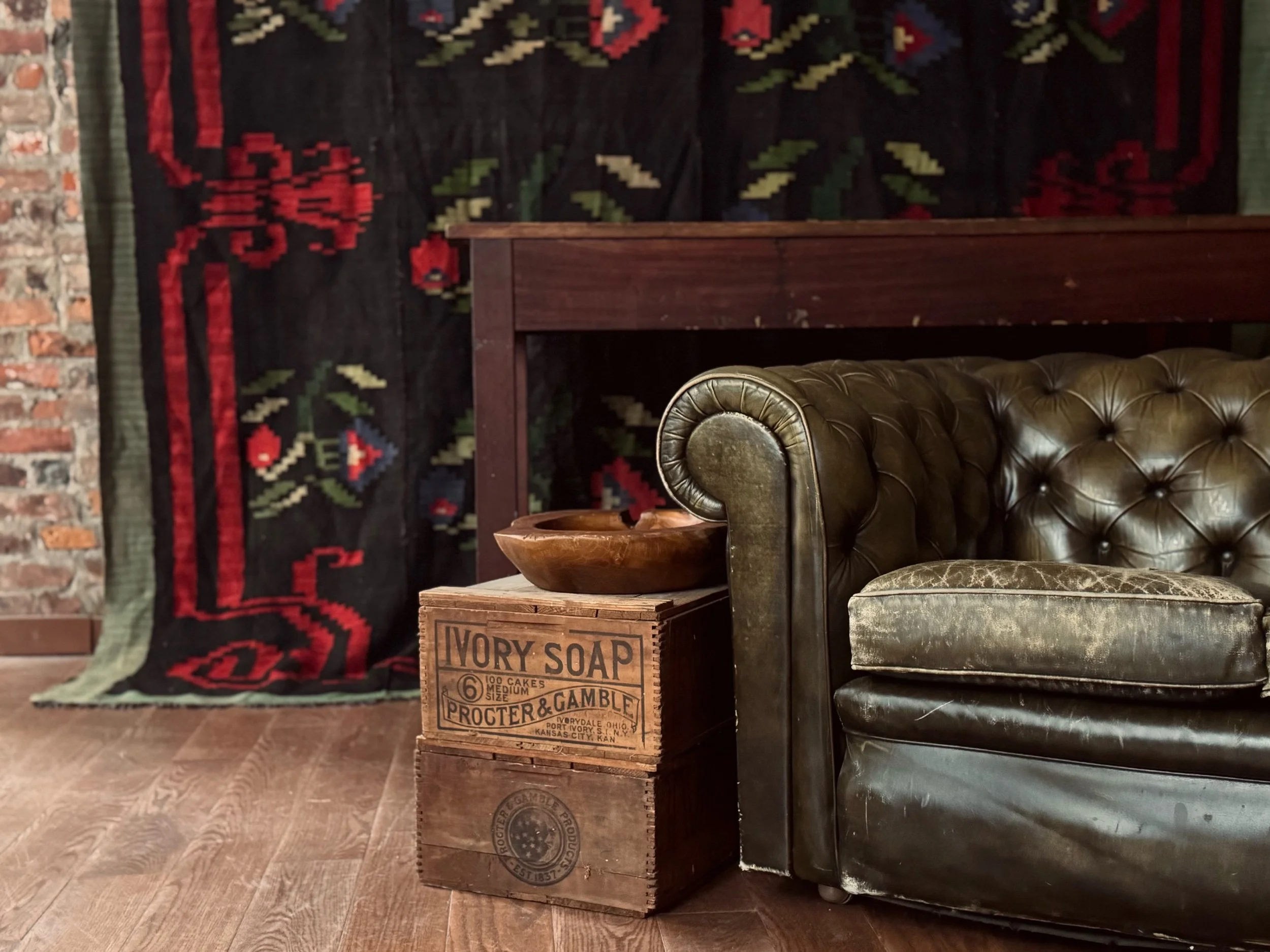 Image 1 of 25
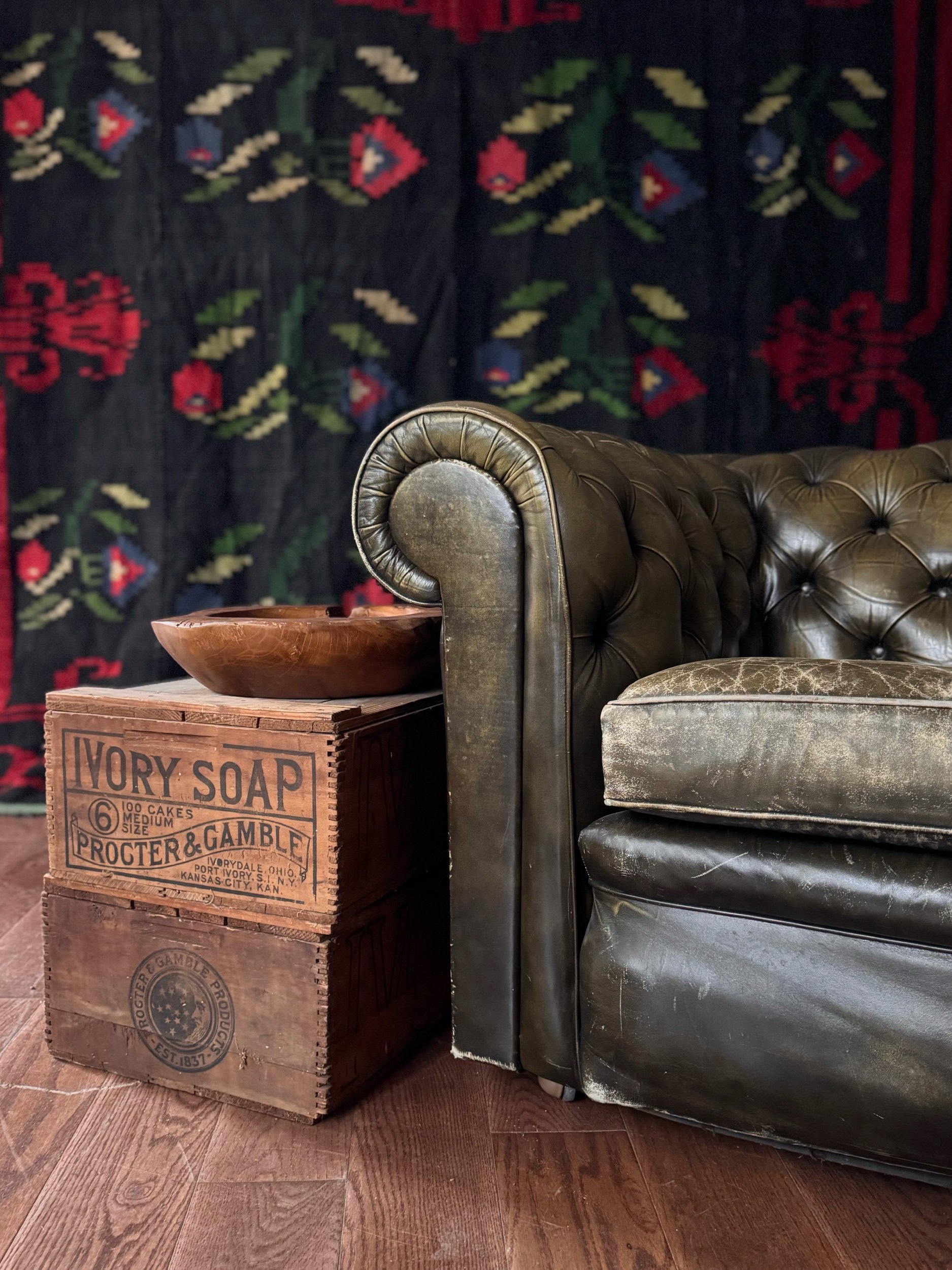 Image 2 of 25
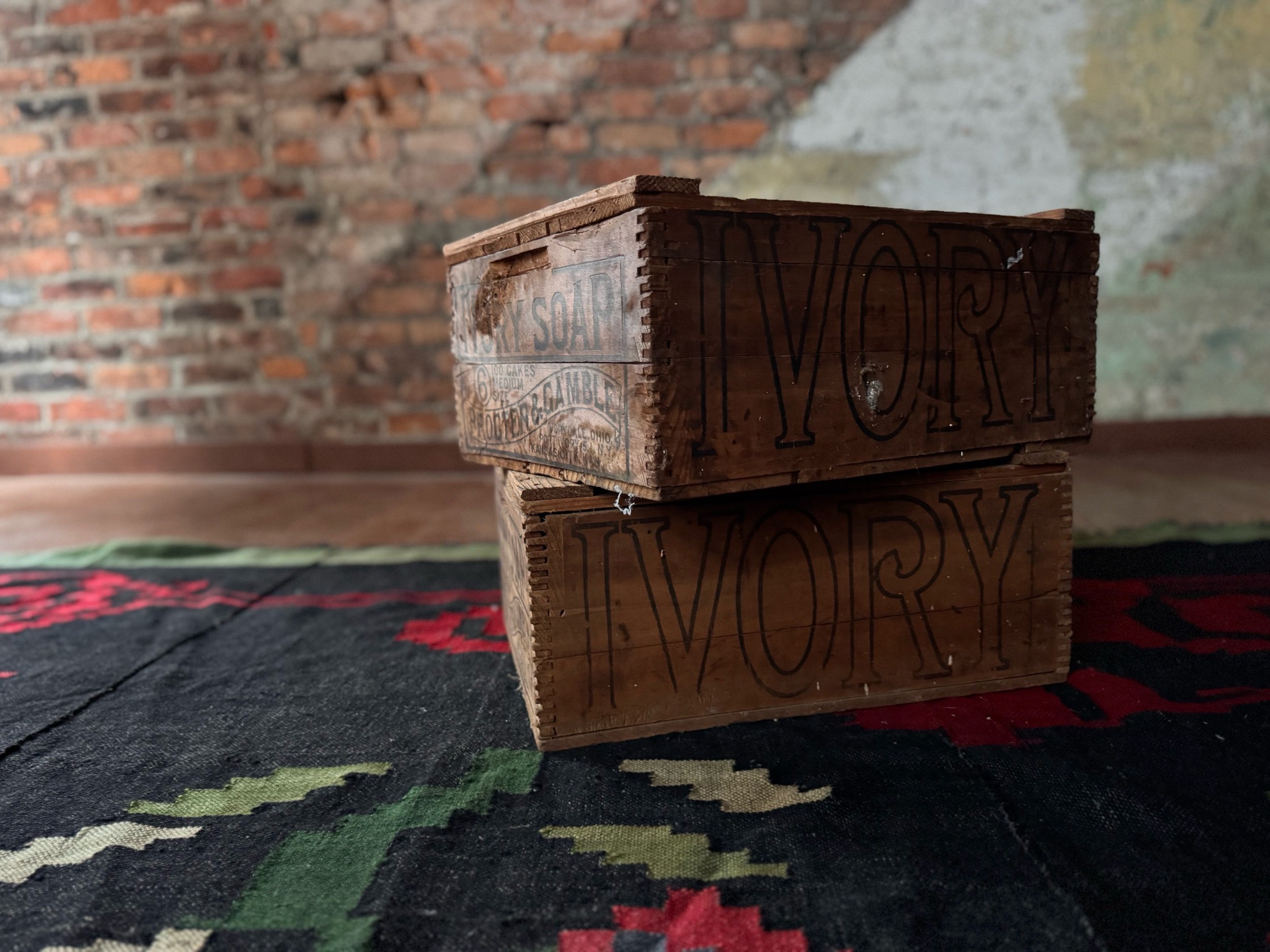 Image 3 of 25
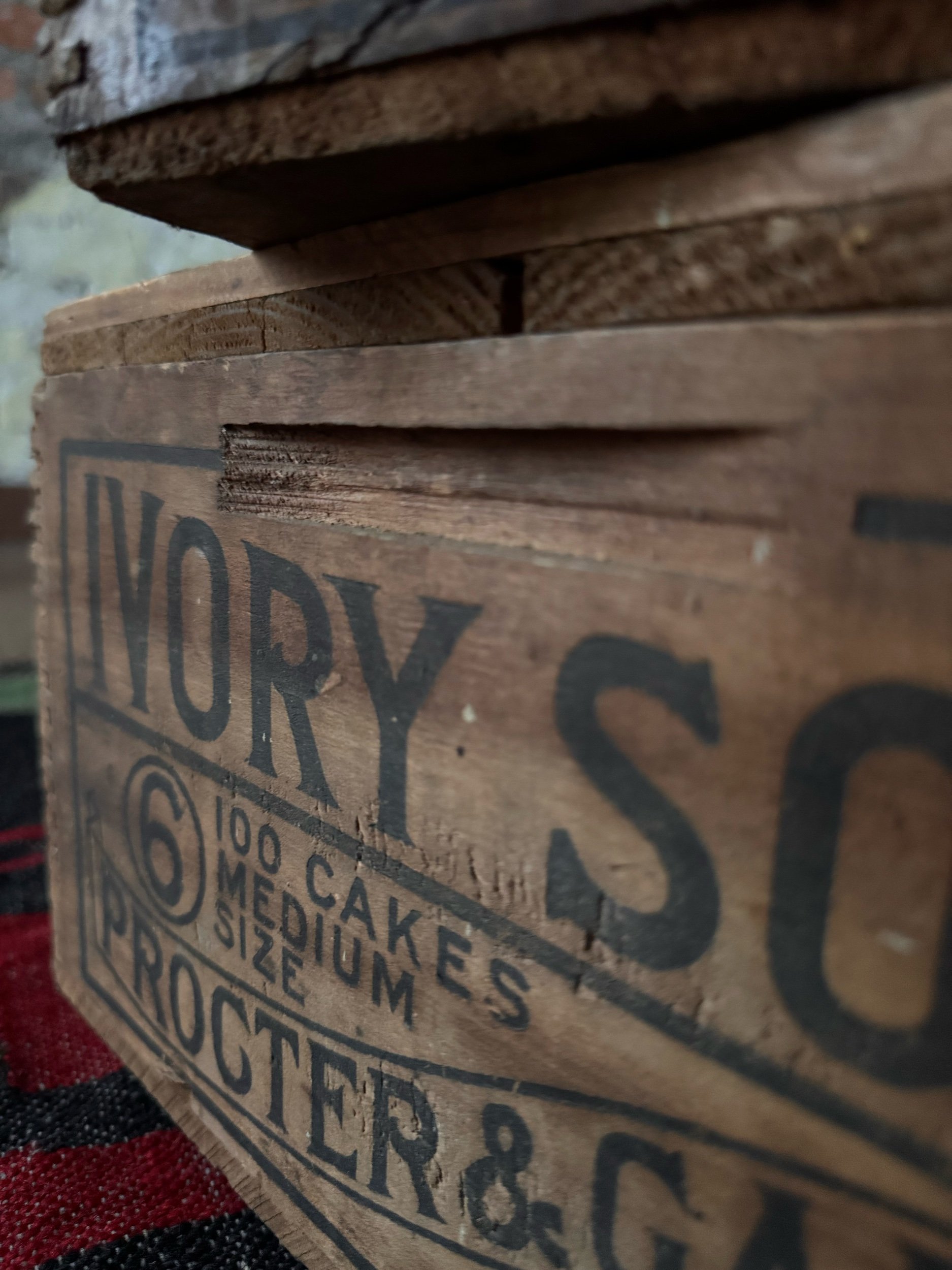 Image 4 of 25
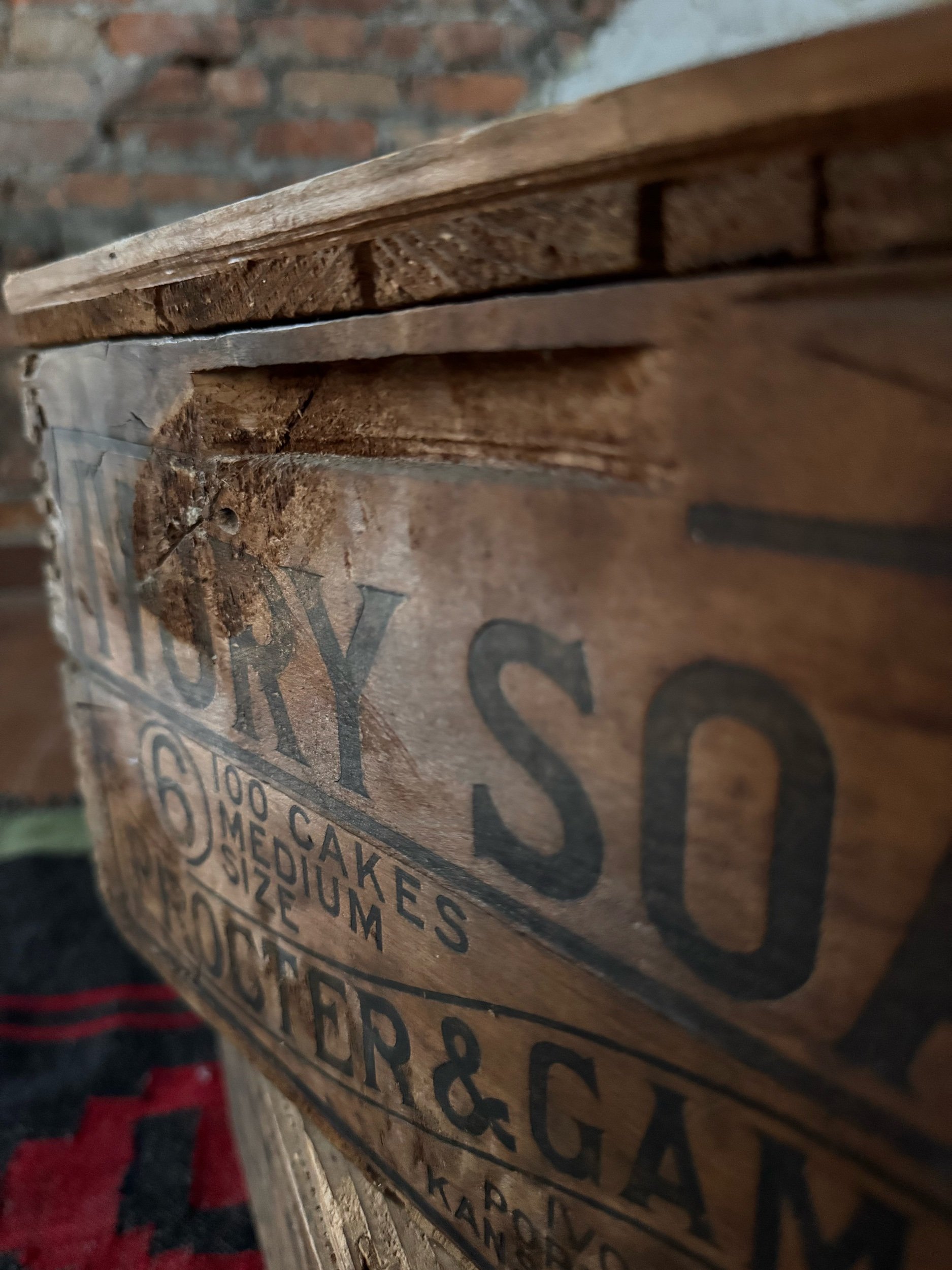 Image 5 of 25
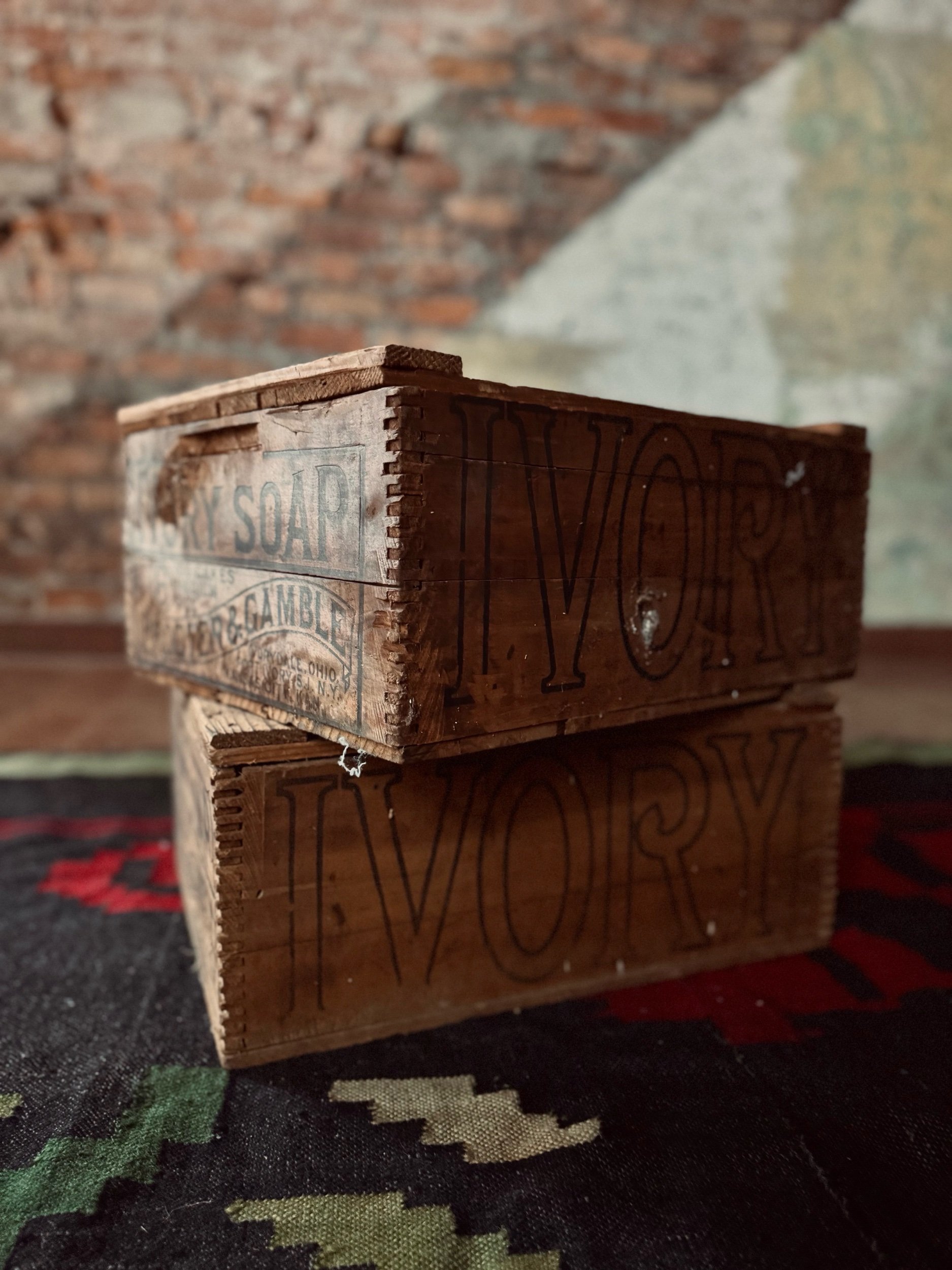 Image 6 of 25
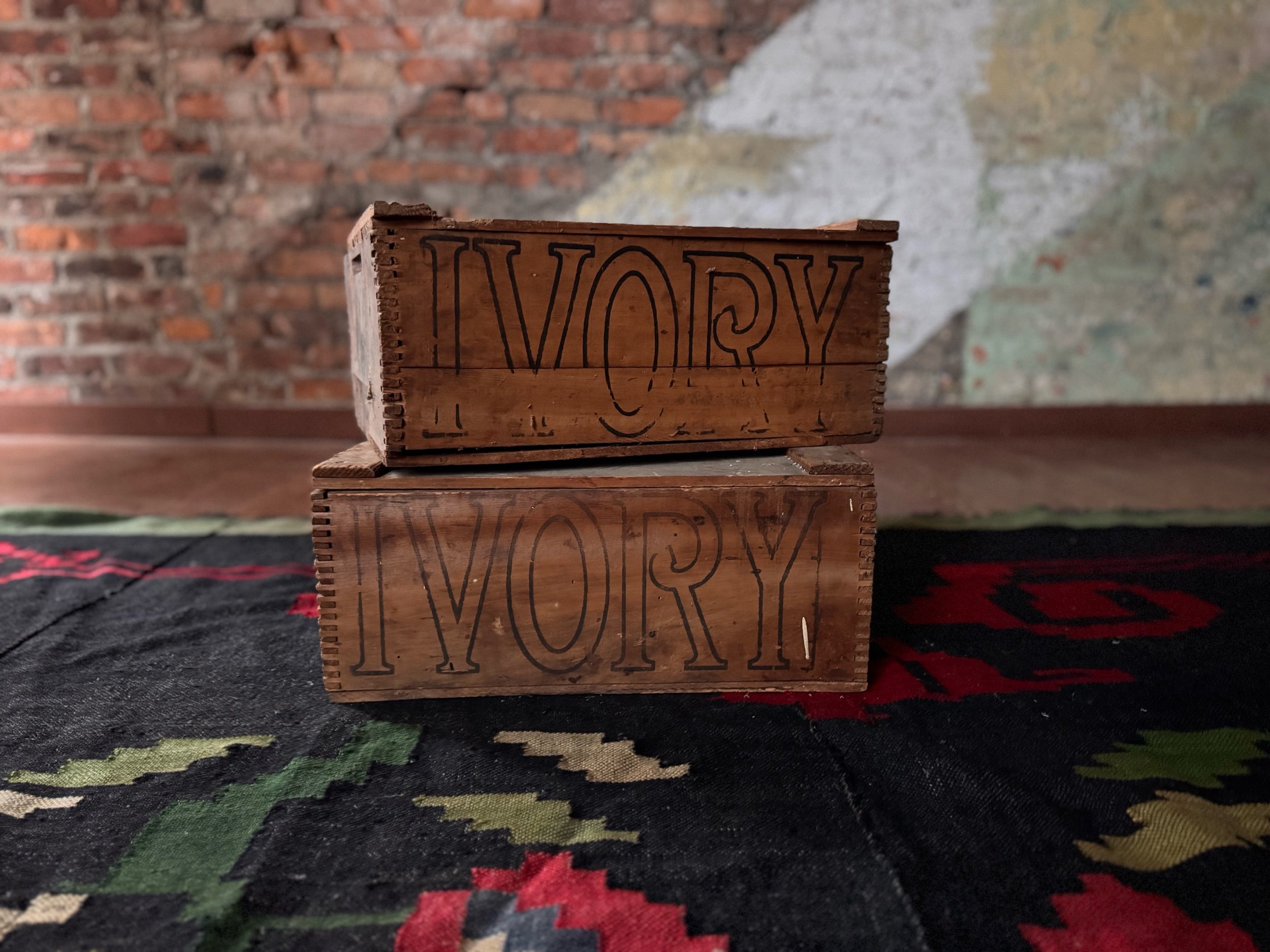 Image 7 of 25
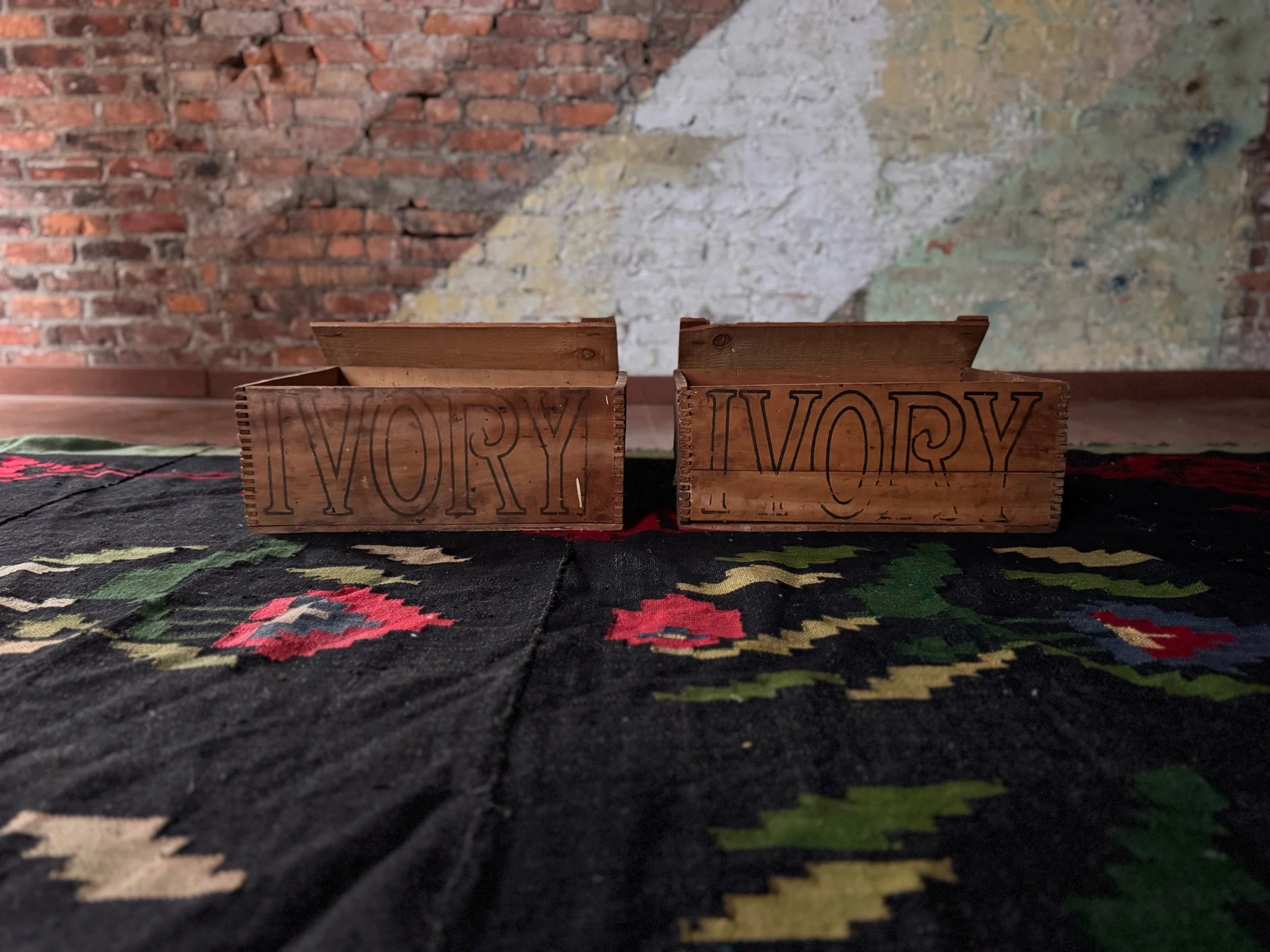 Image 8 of 25
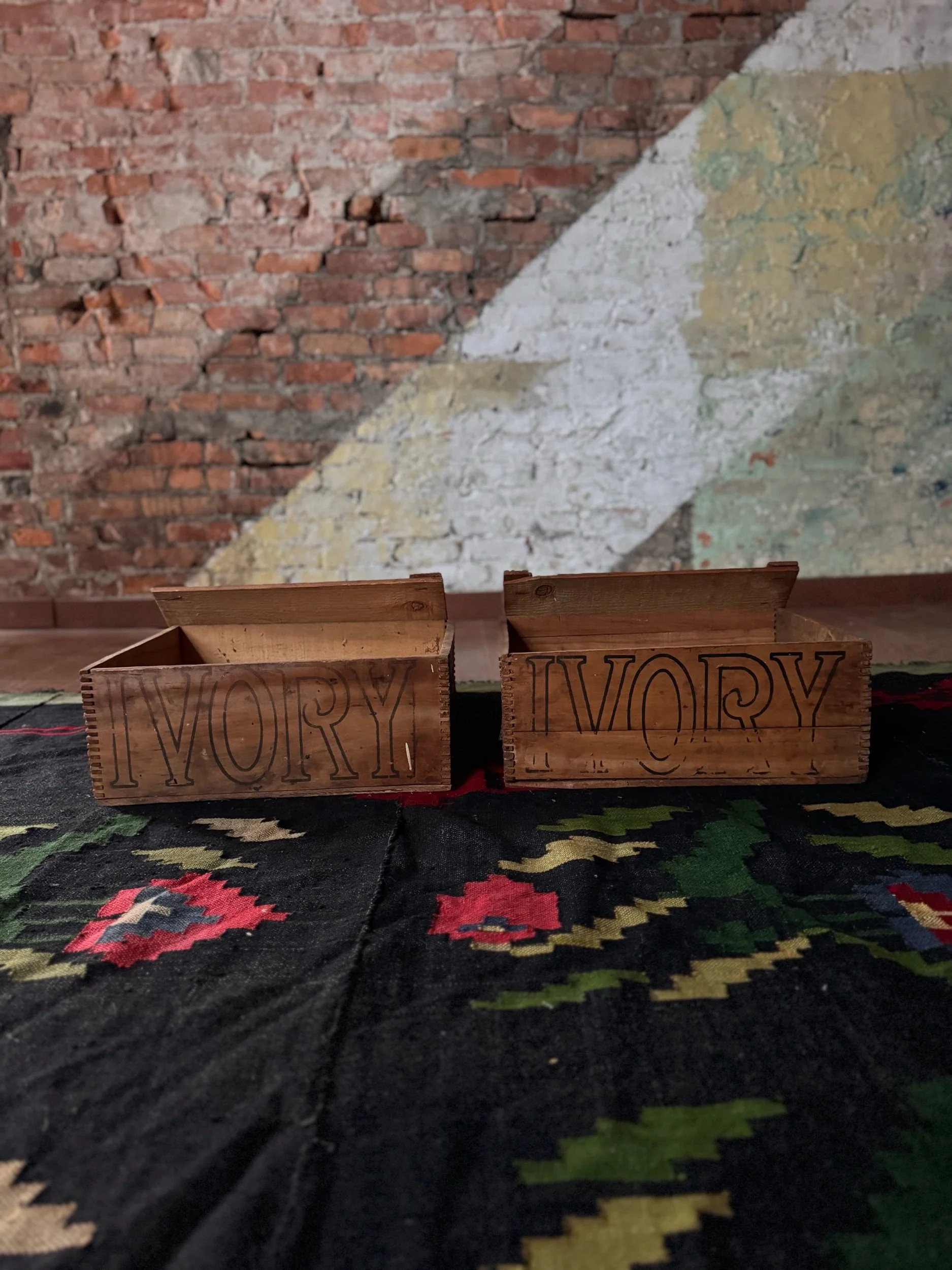 Image 9 of 25
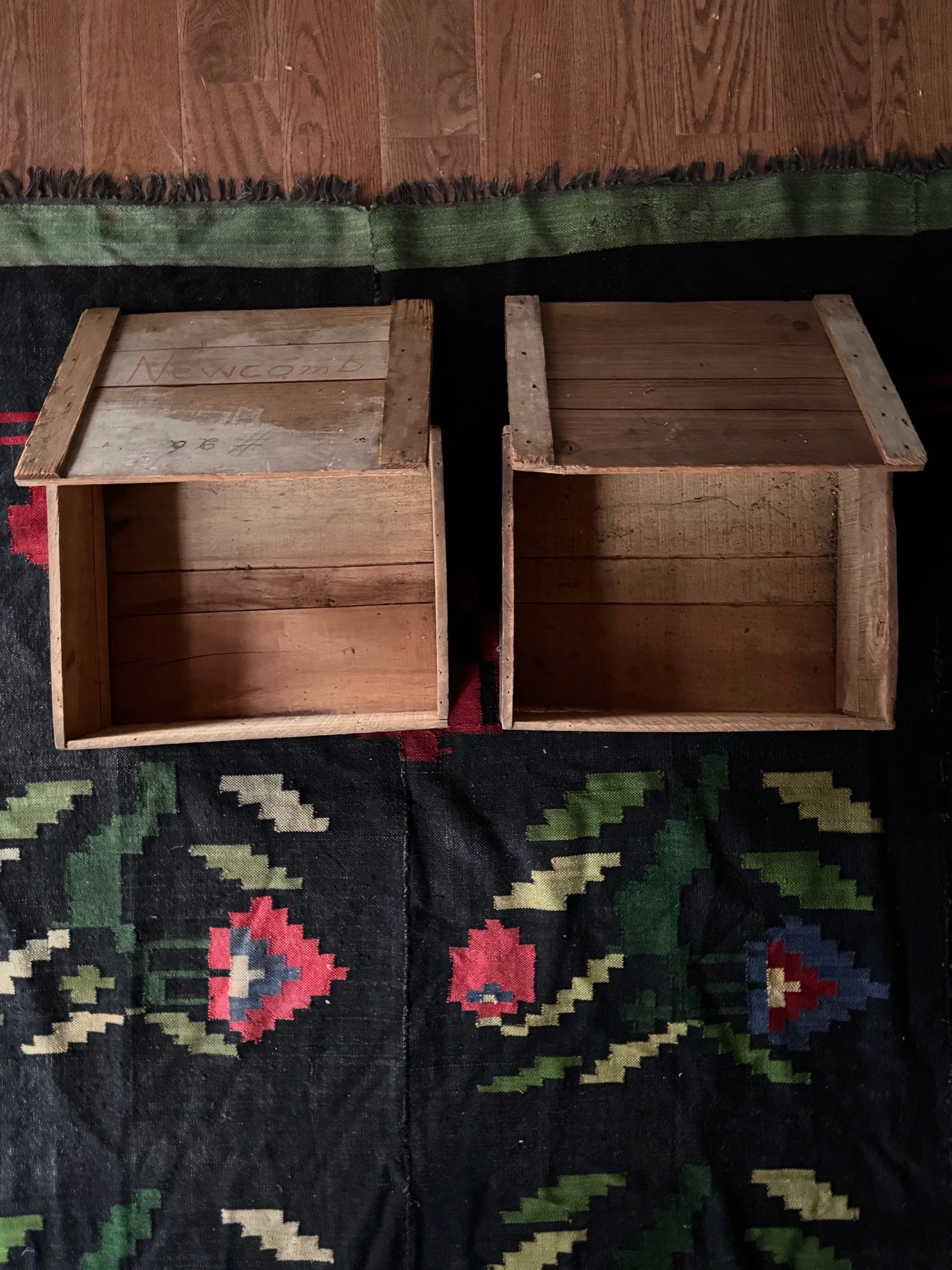 Image 10 of 25
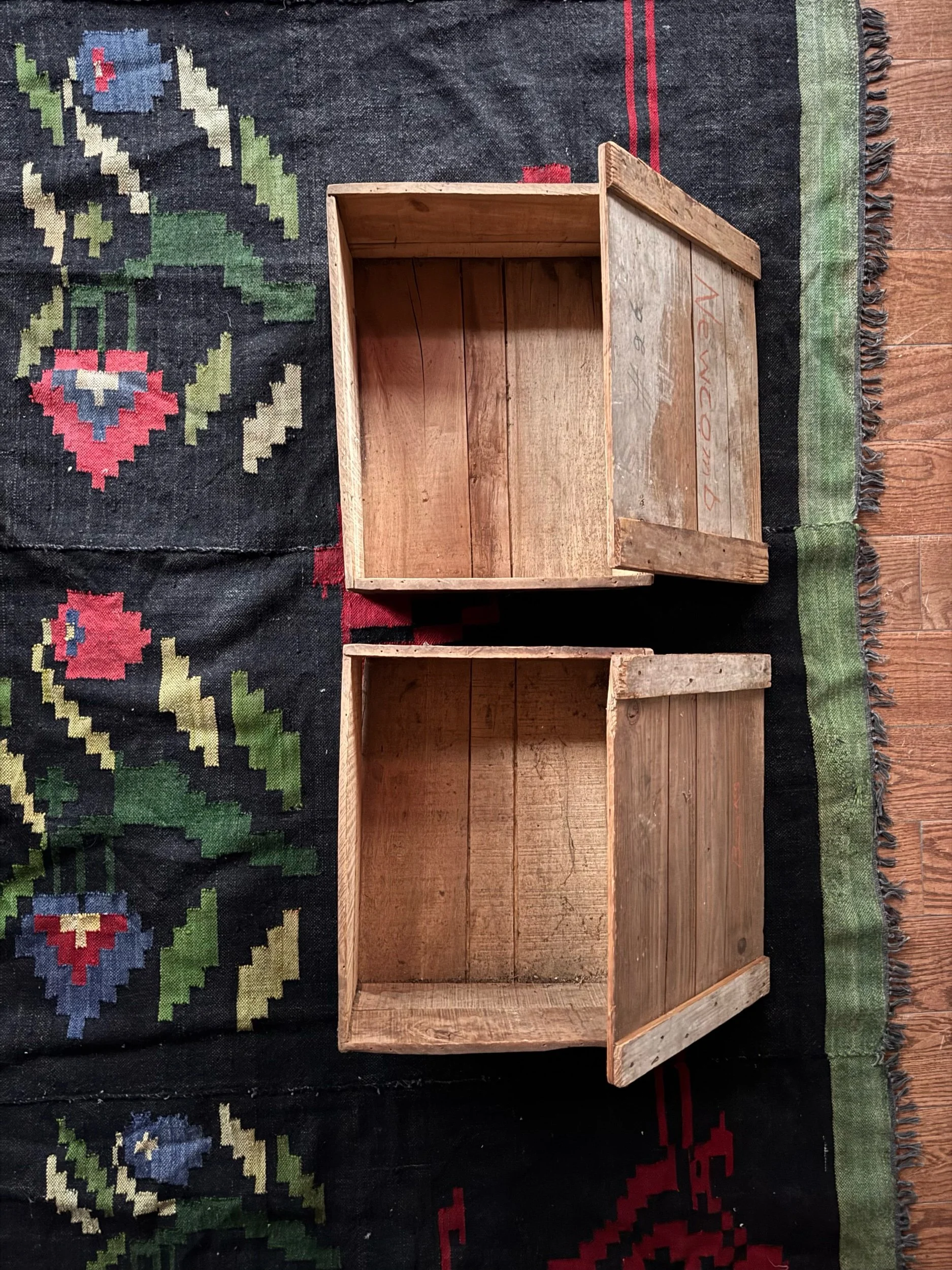 Image 11 of 25
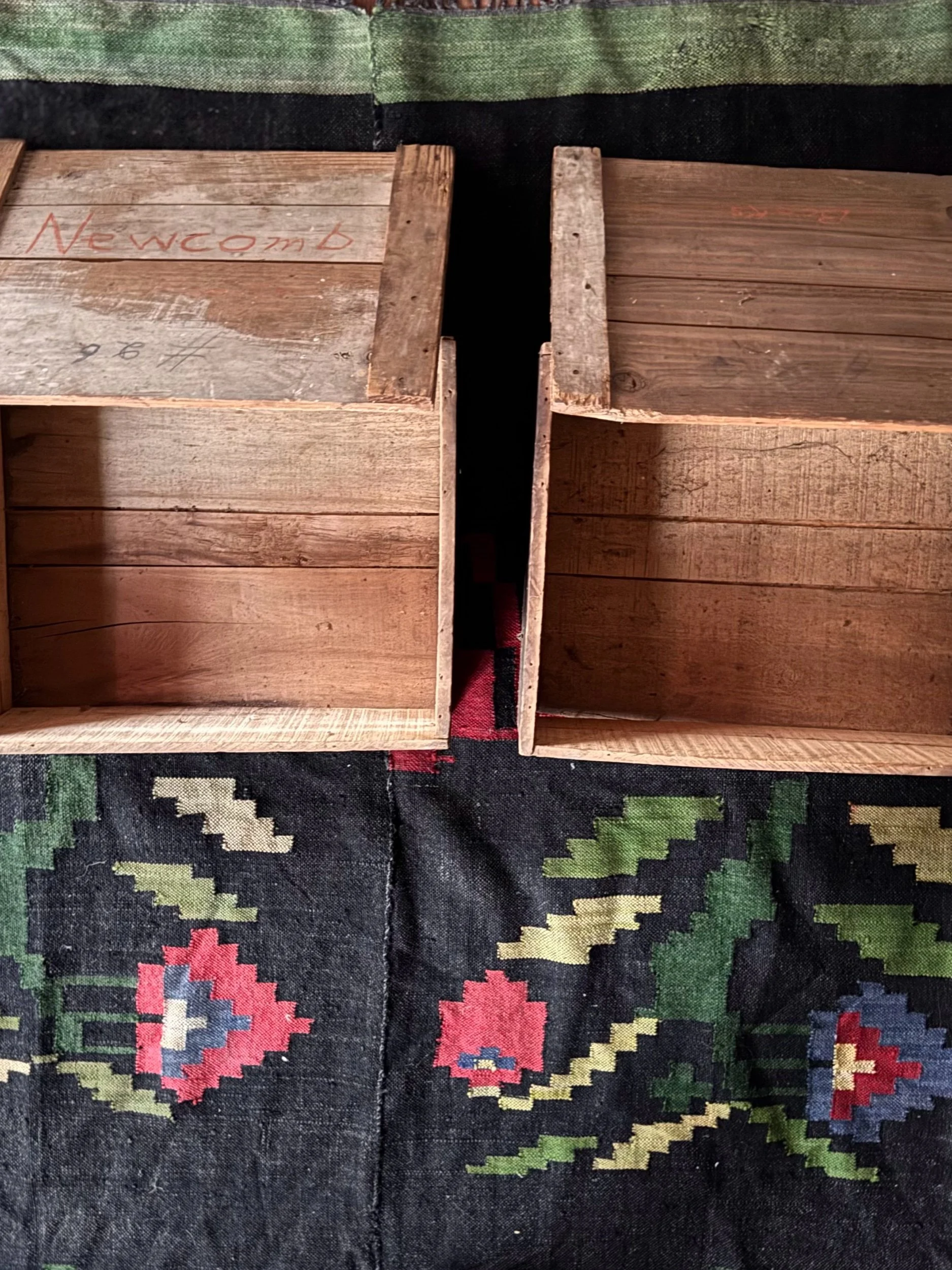 Image 12 of 25
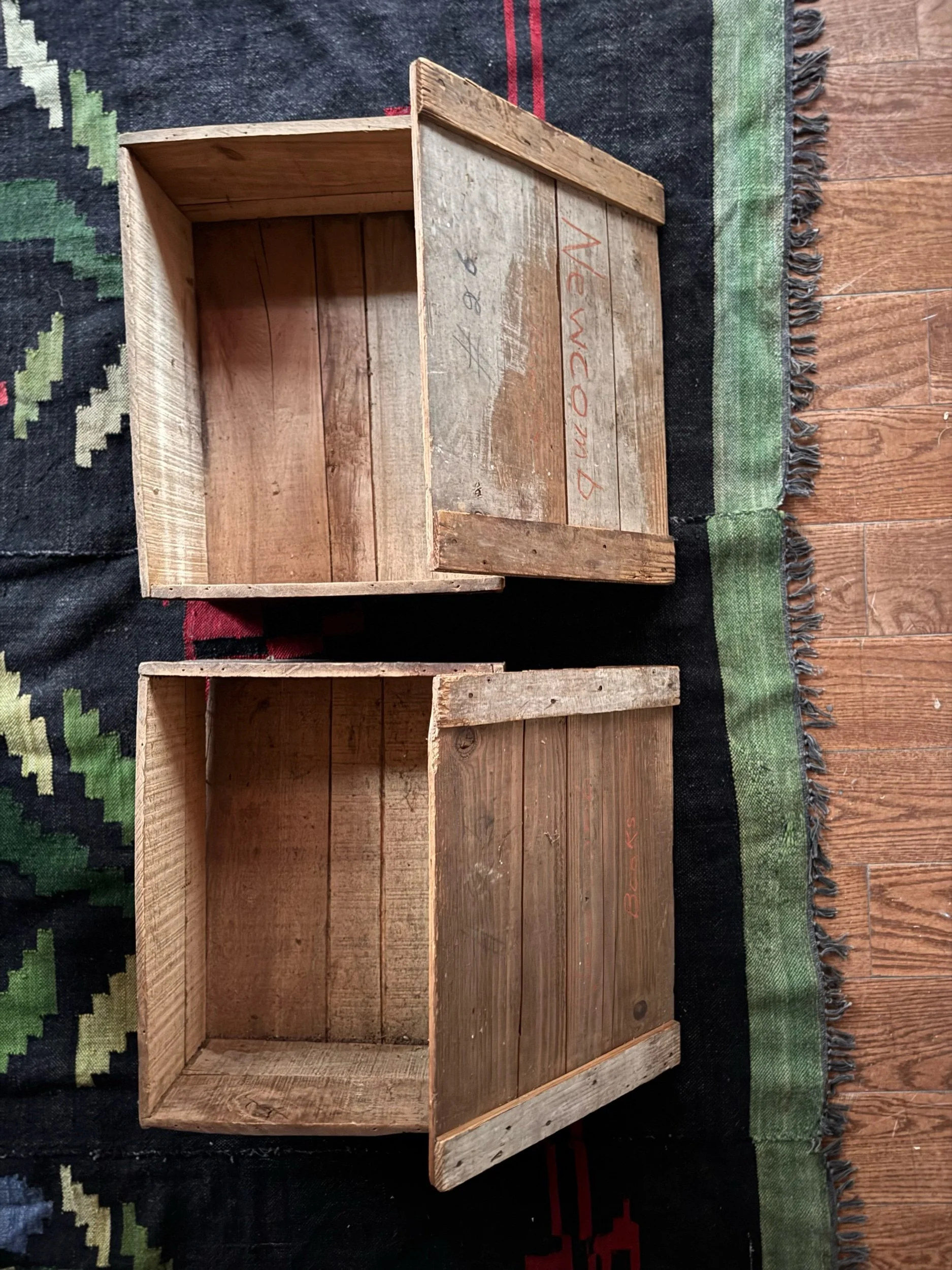 Image 13 of 25
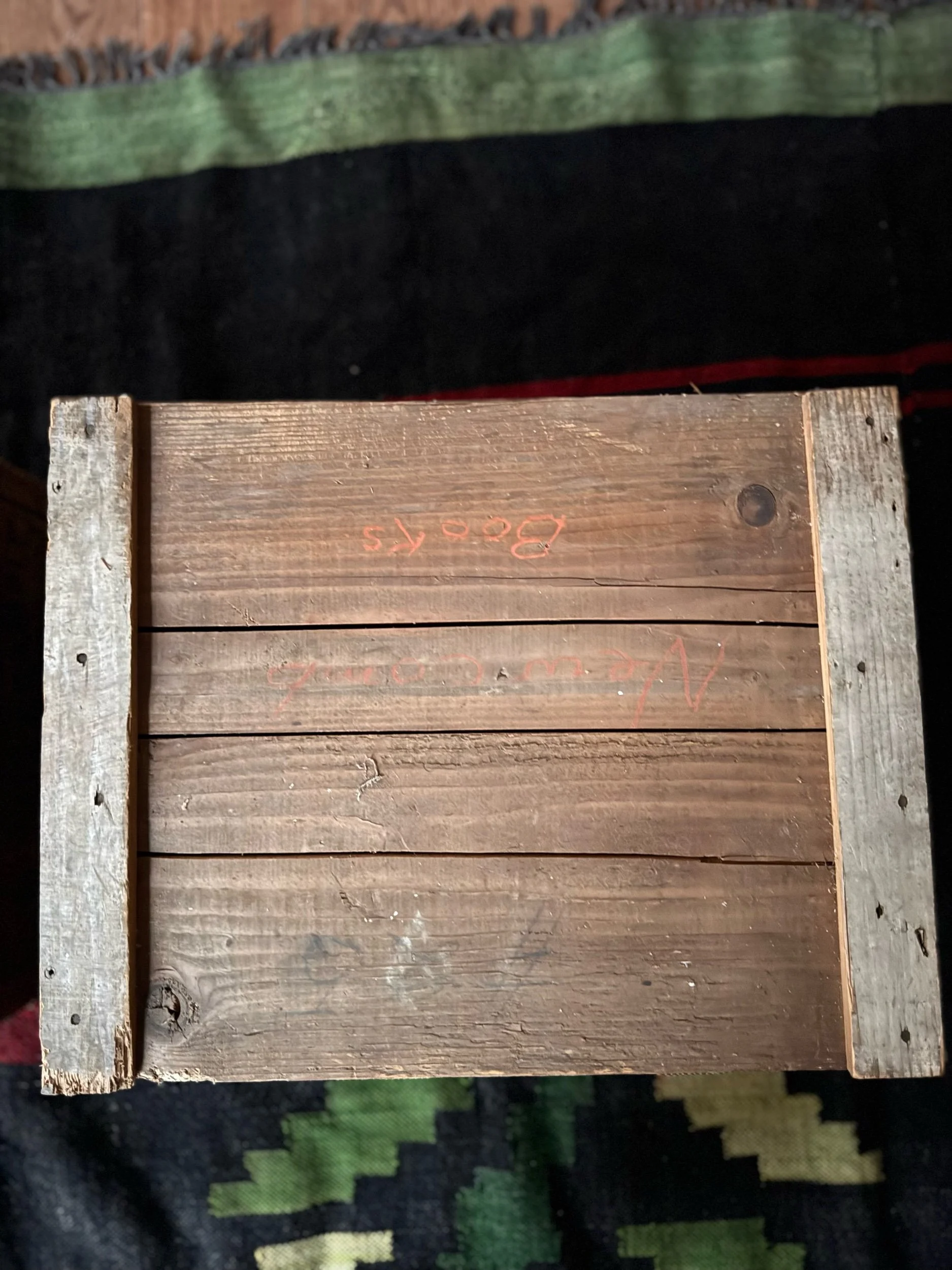 Image 14 of 25
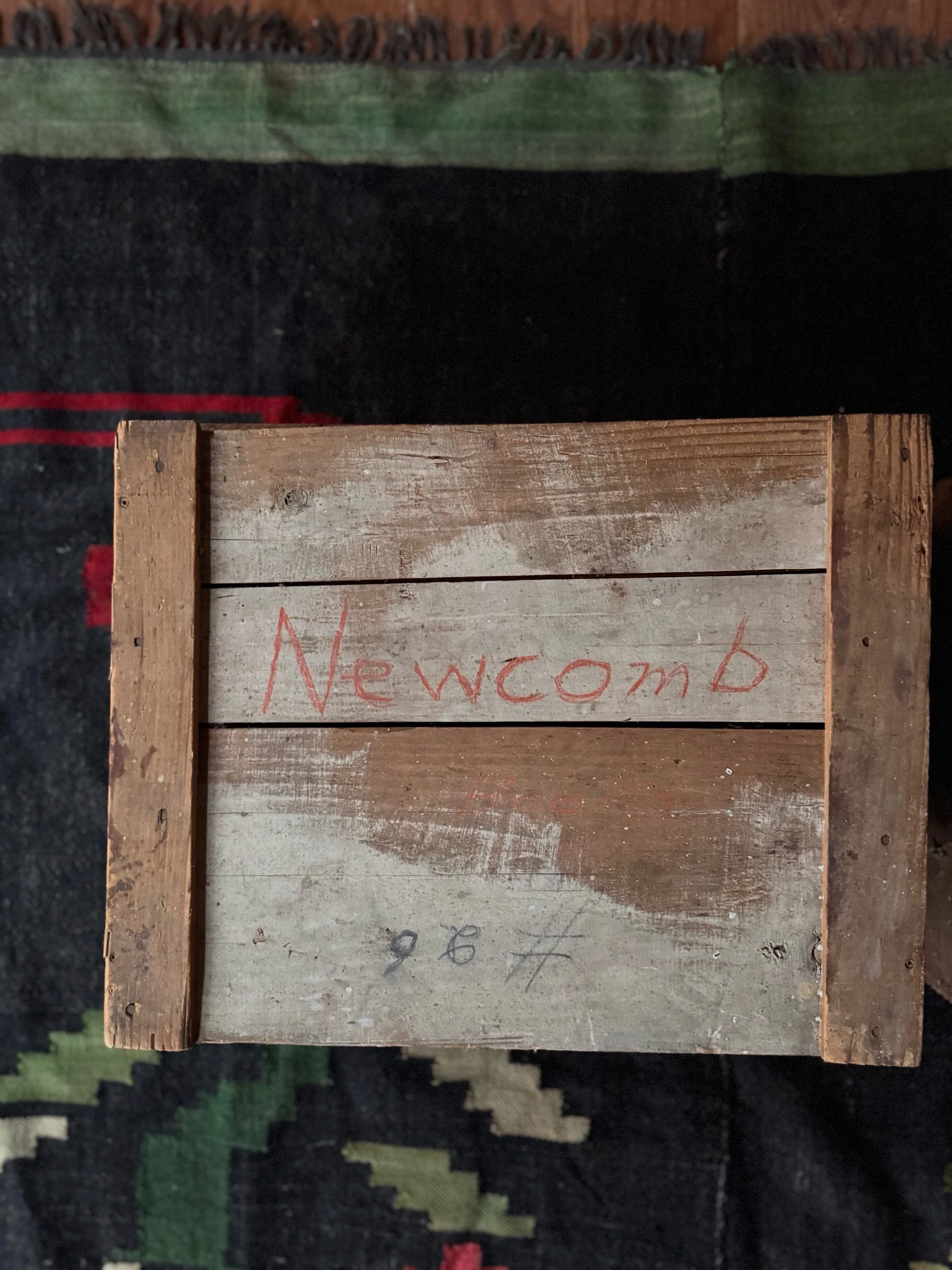 Image 15 of 25
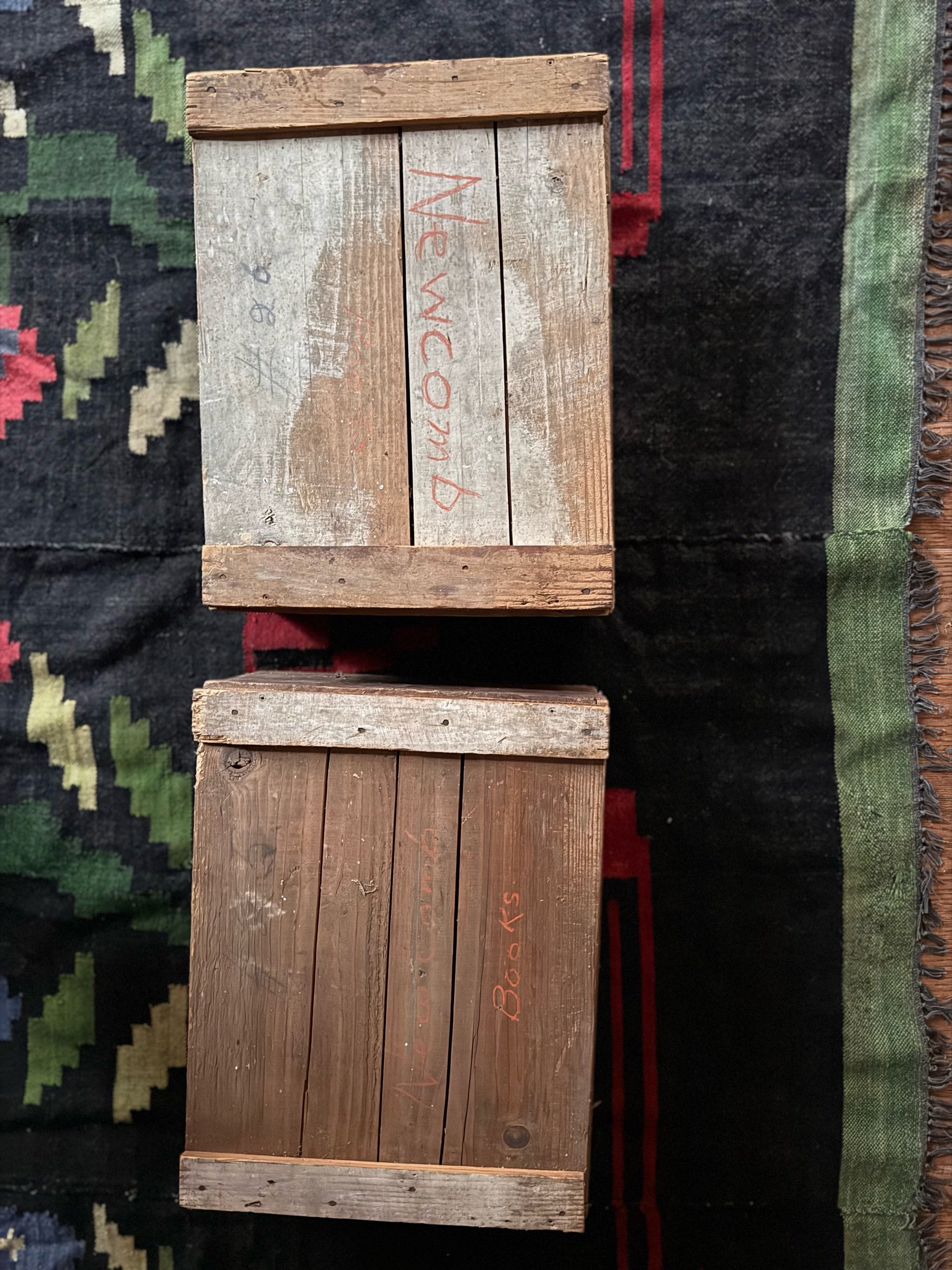 Image 16 of 25
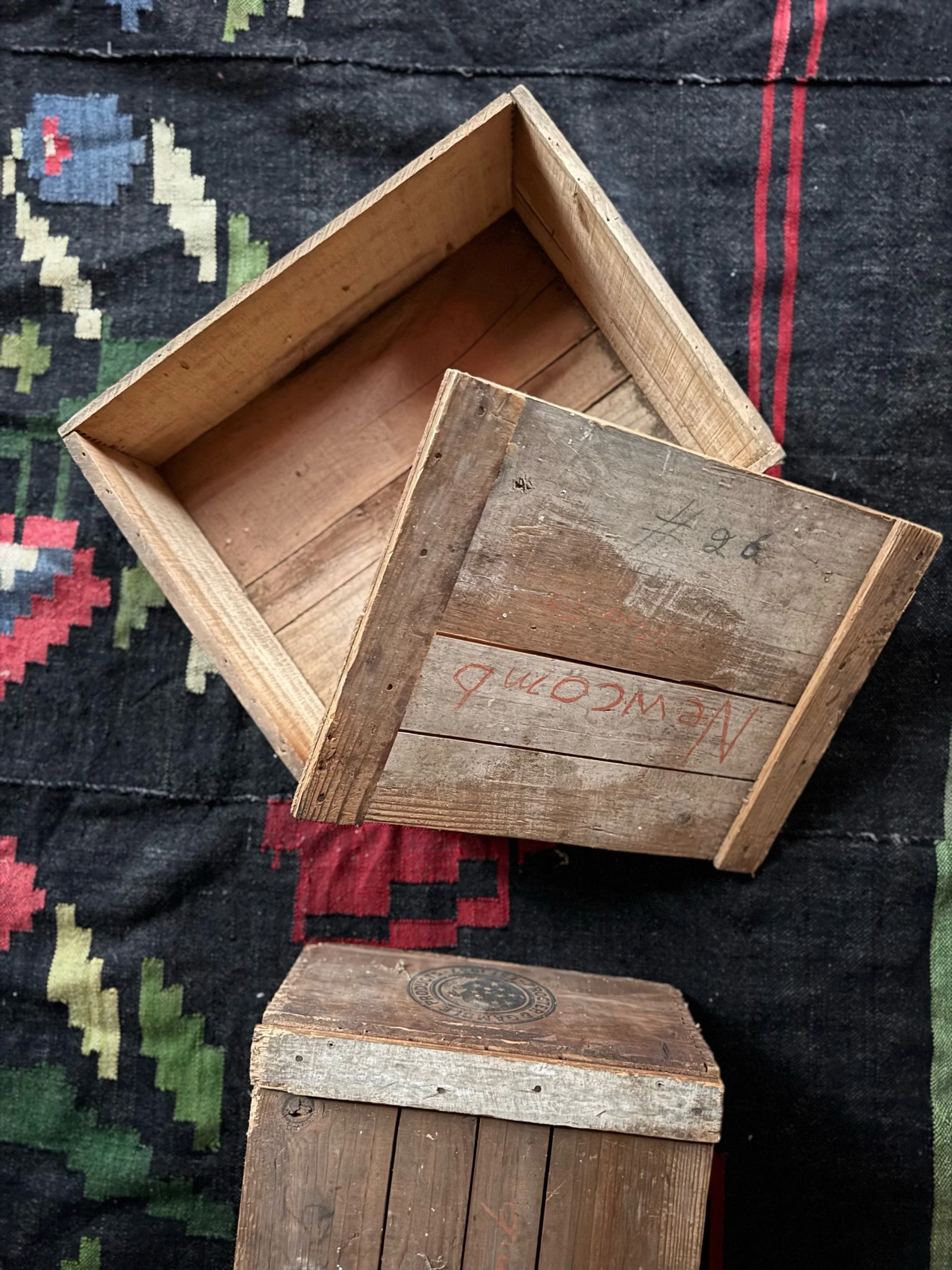 Image 17 of 25
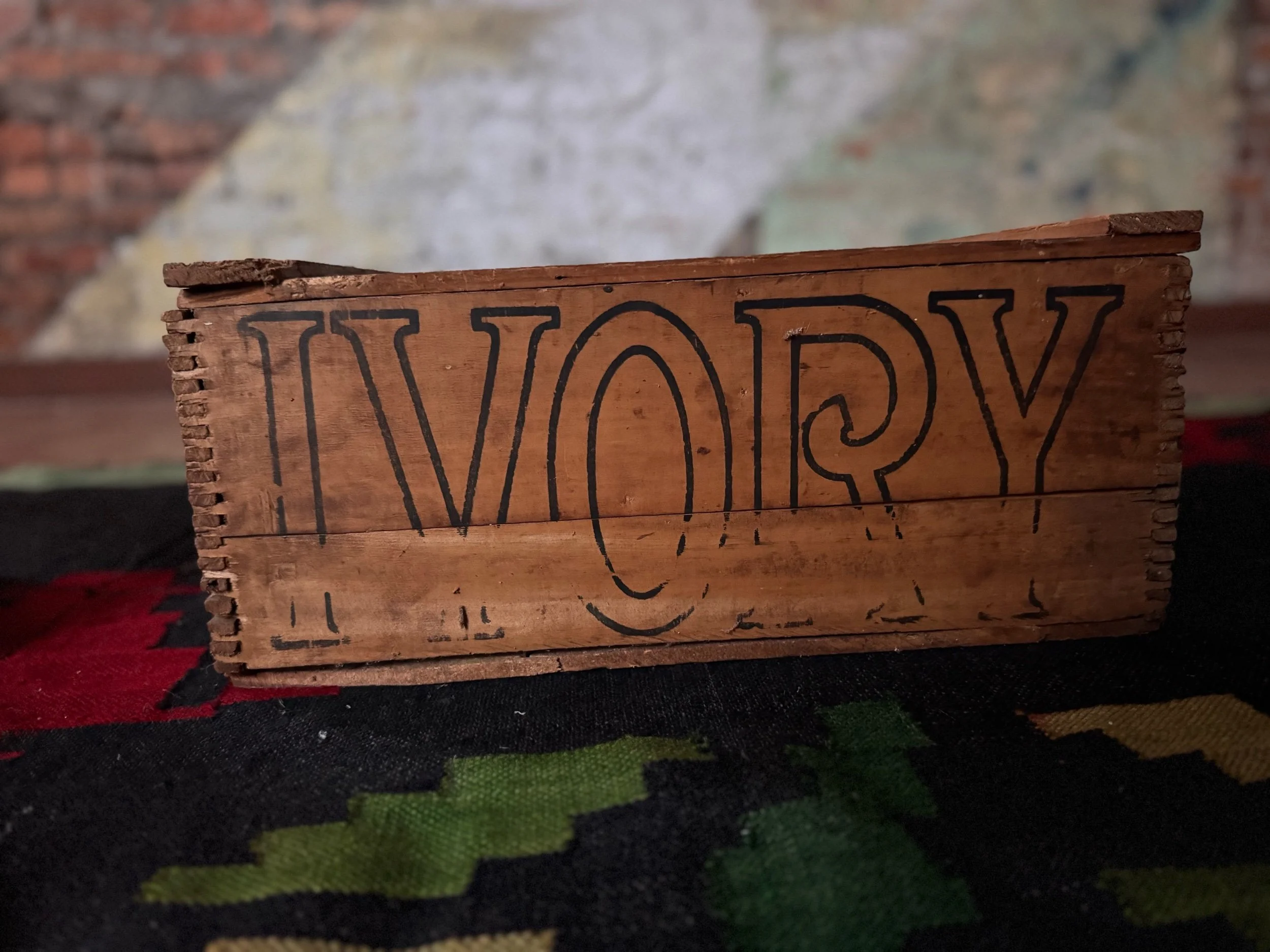 Image 18 of 25
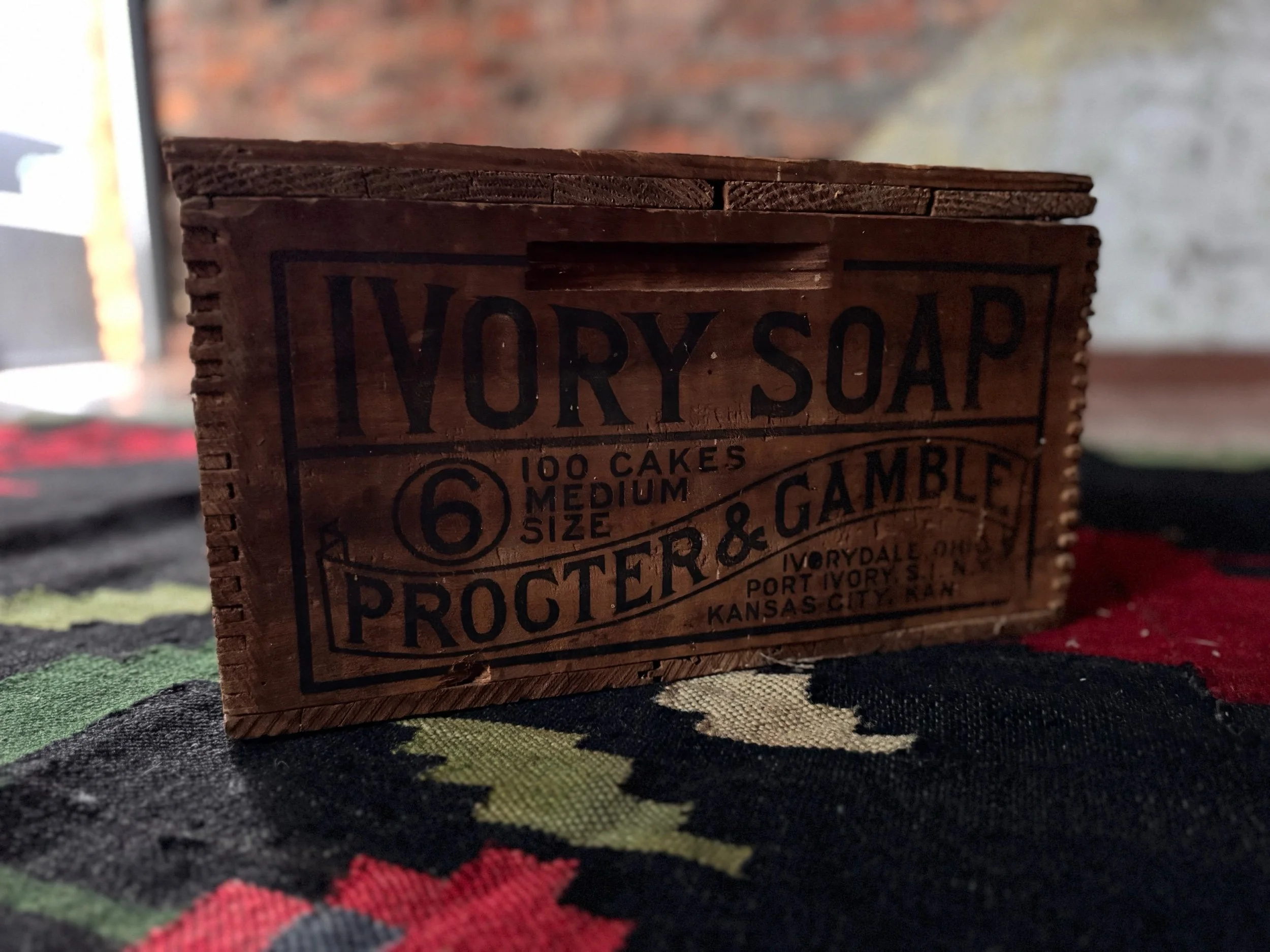 Image 19 of 25
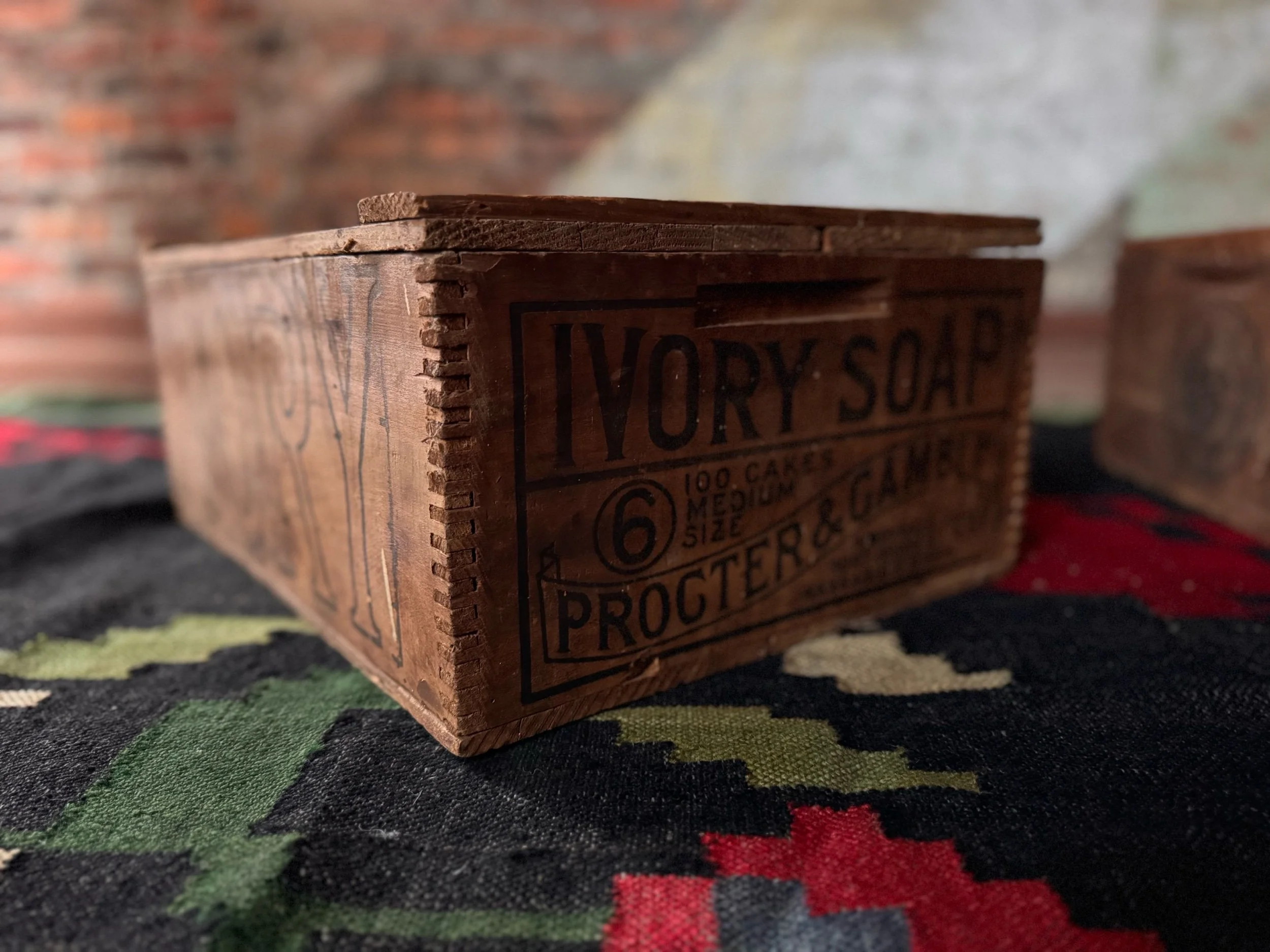 Image 20 of 25
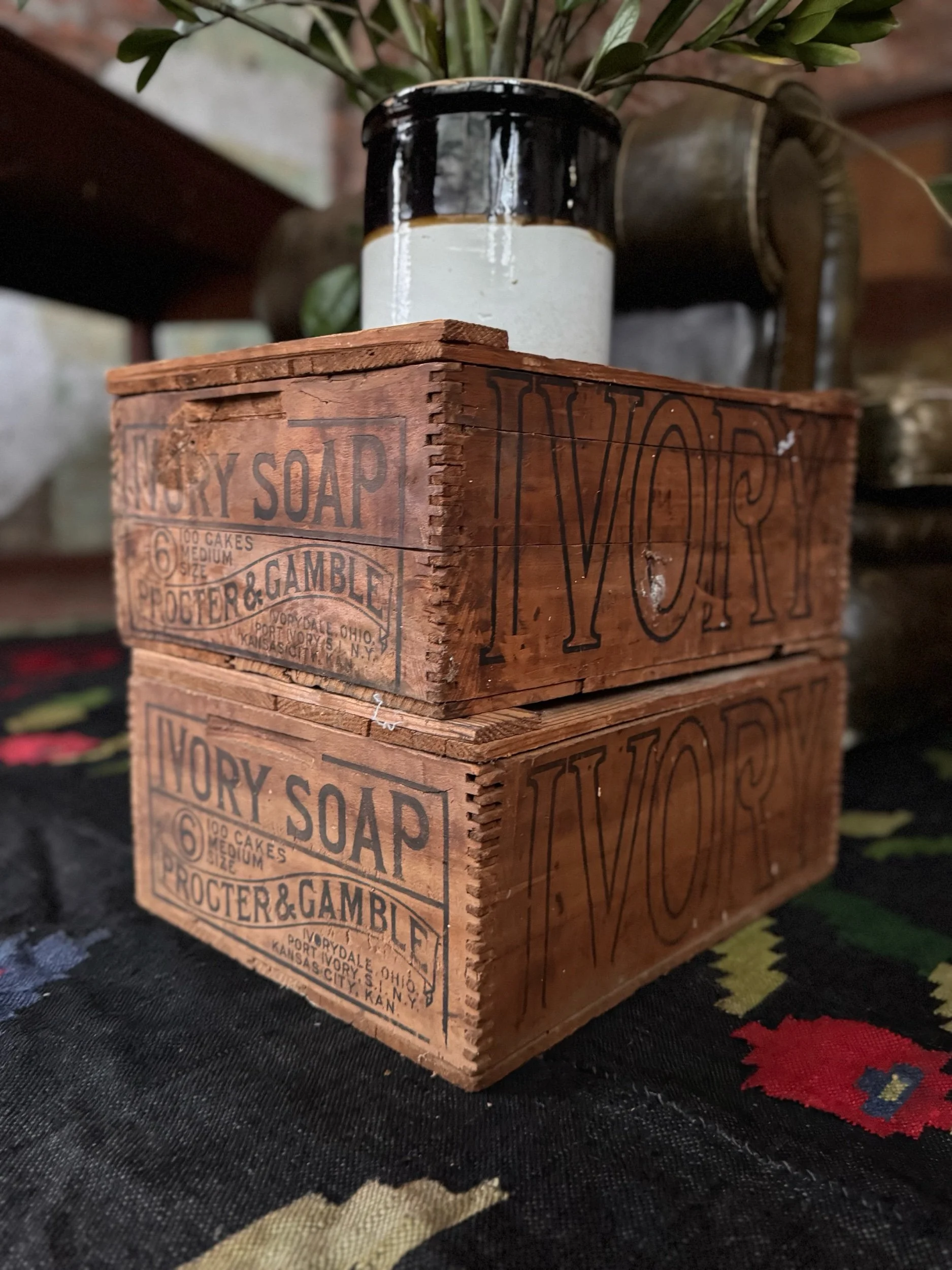 Image 21 of 25
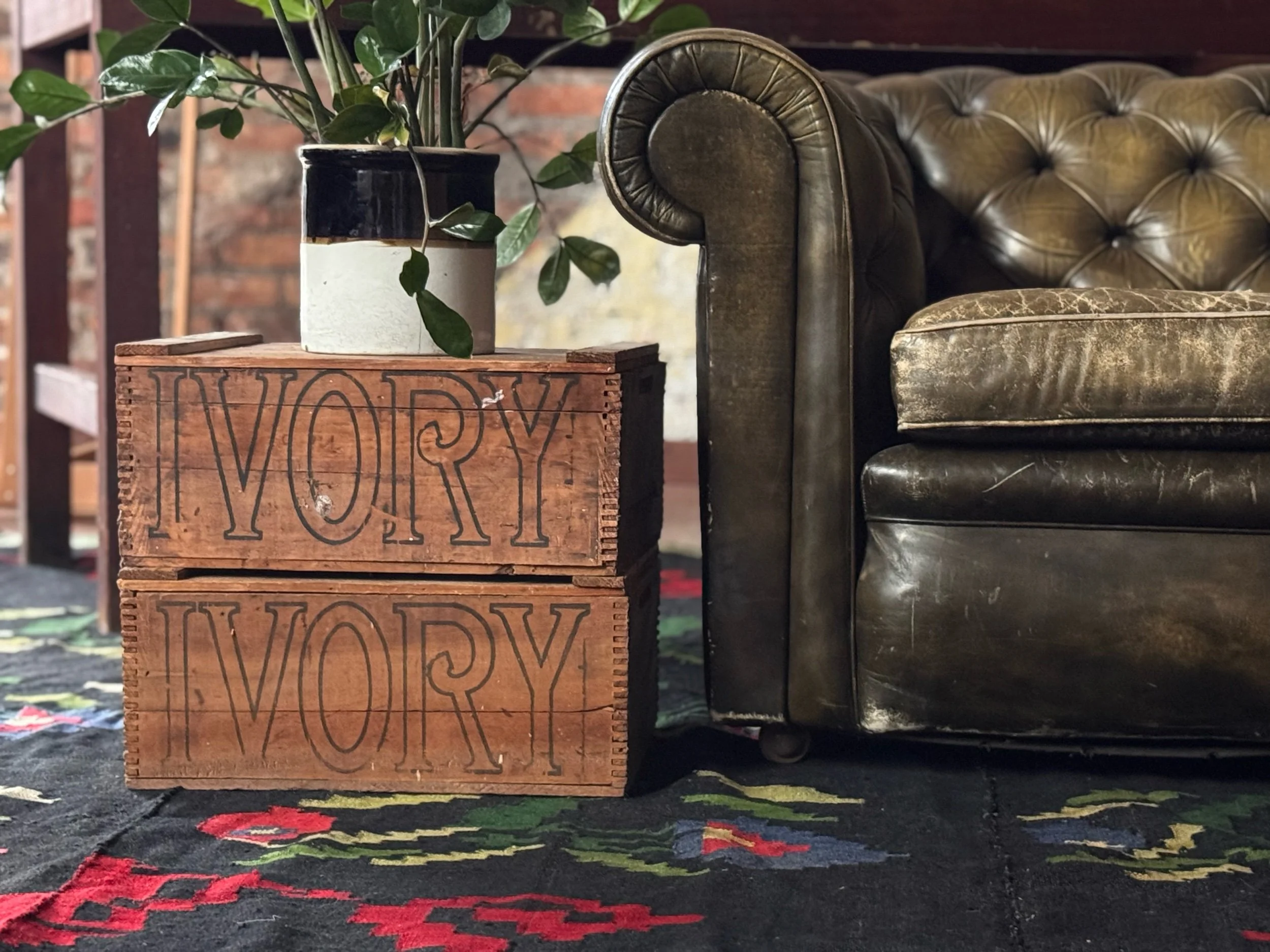 Image 22 of 25
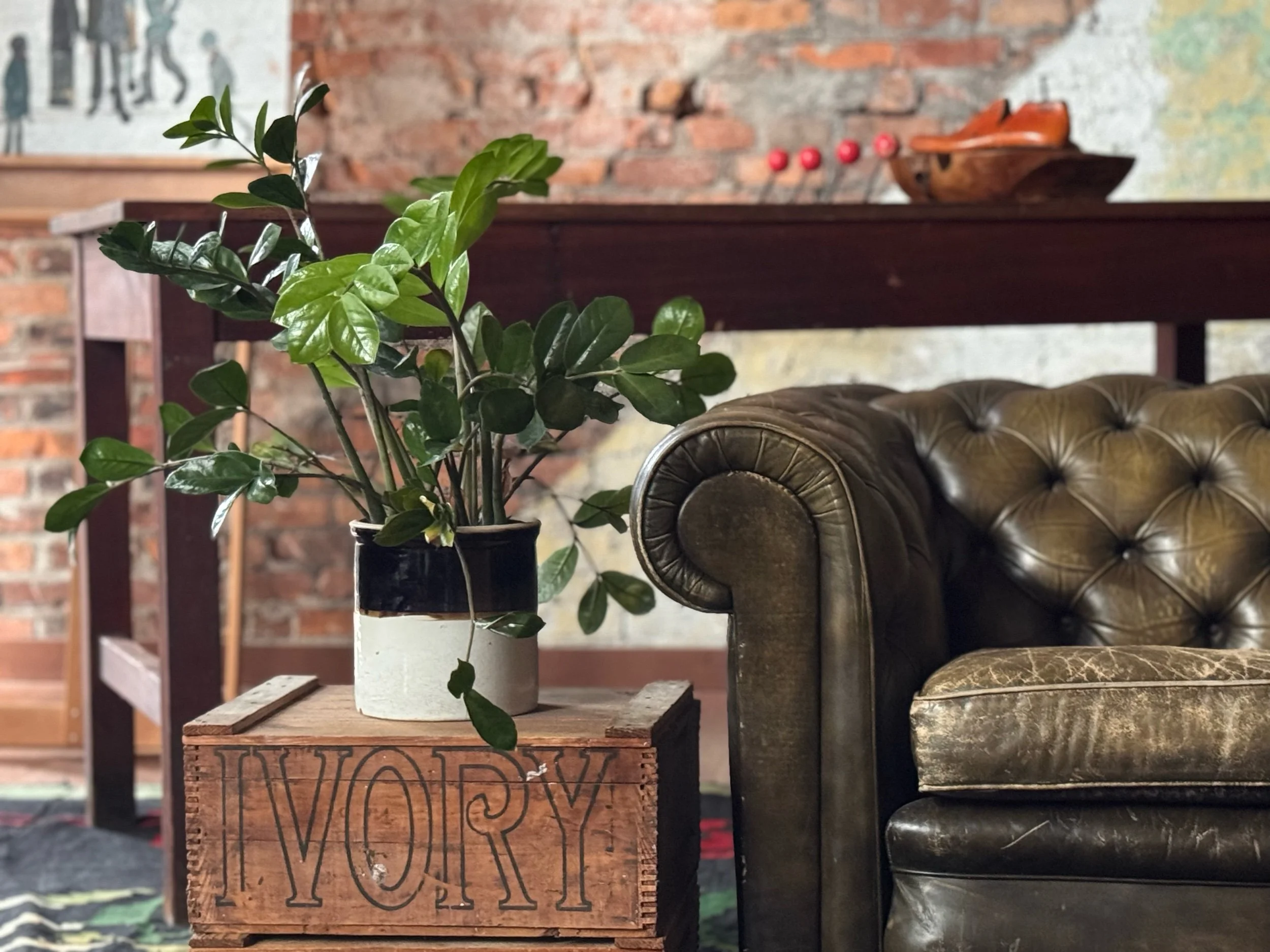 Image 23 of 25
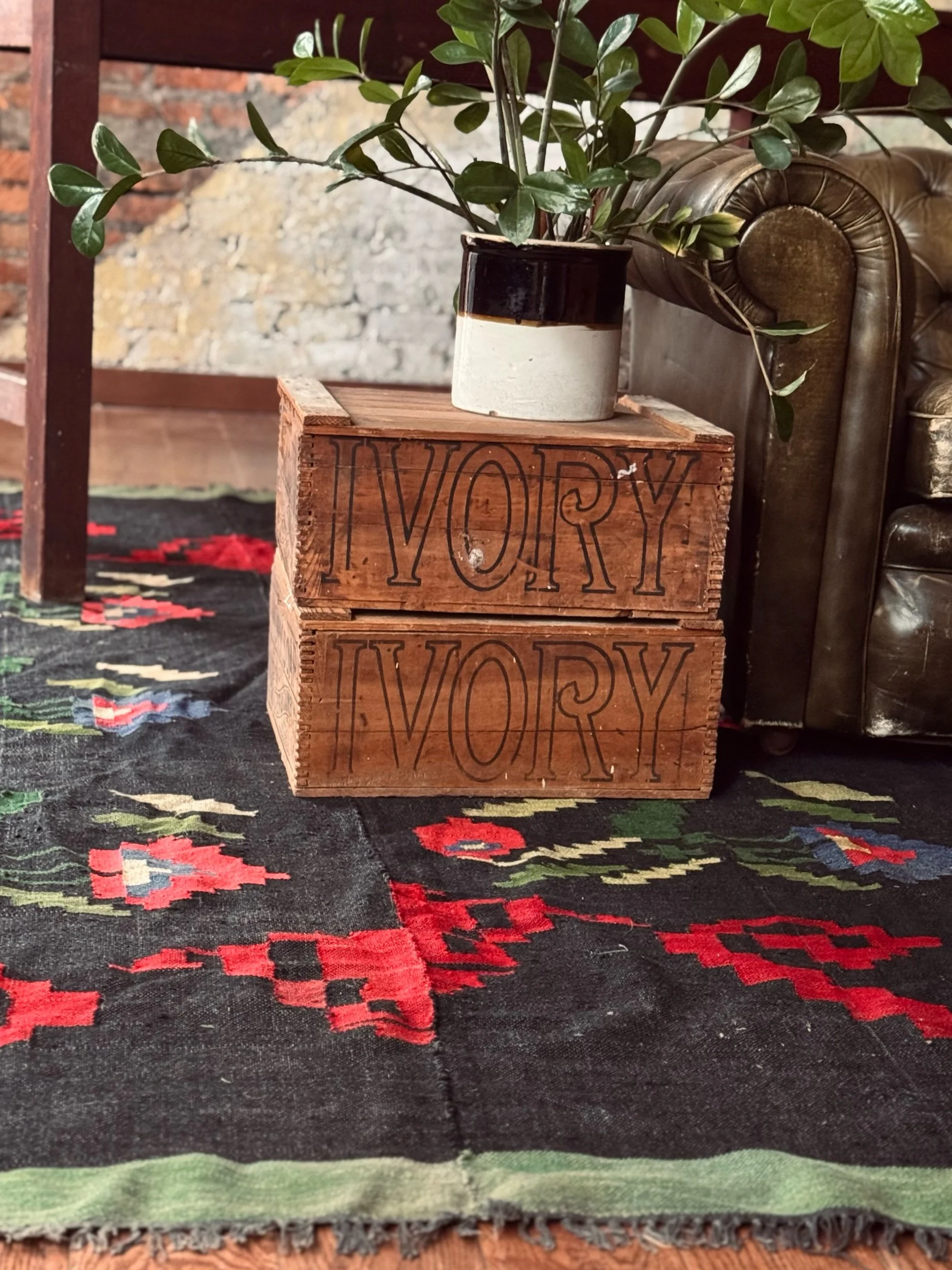 Image 24 of 25
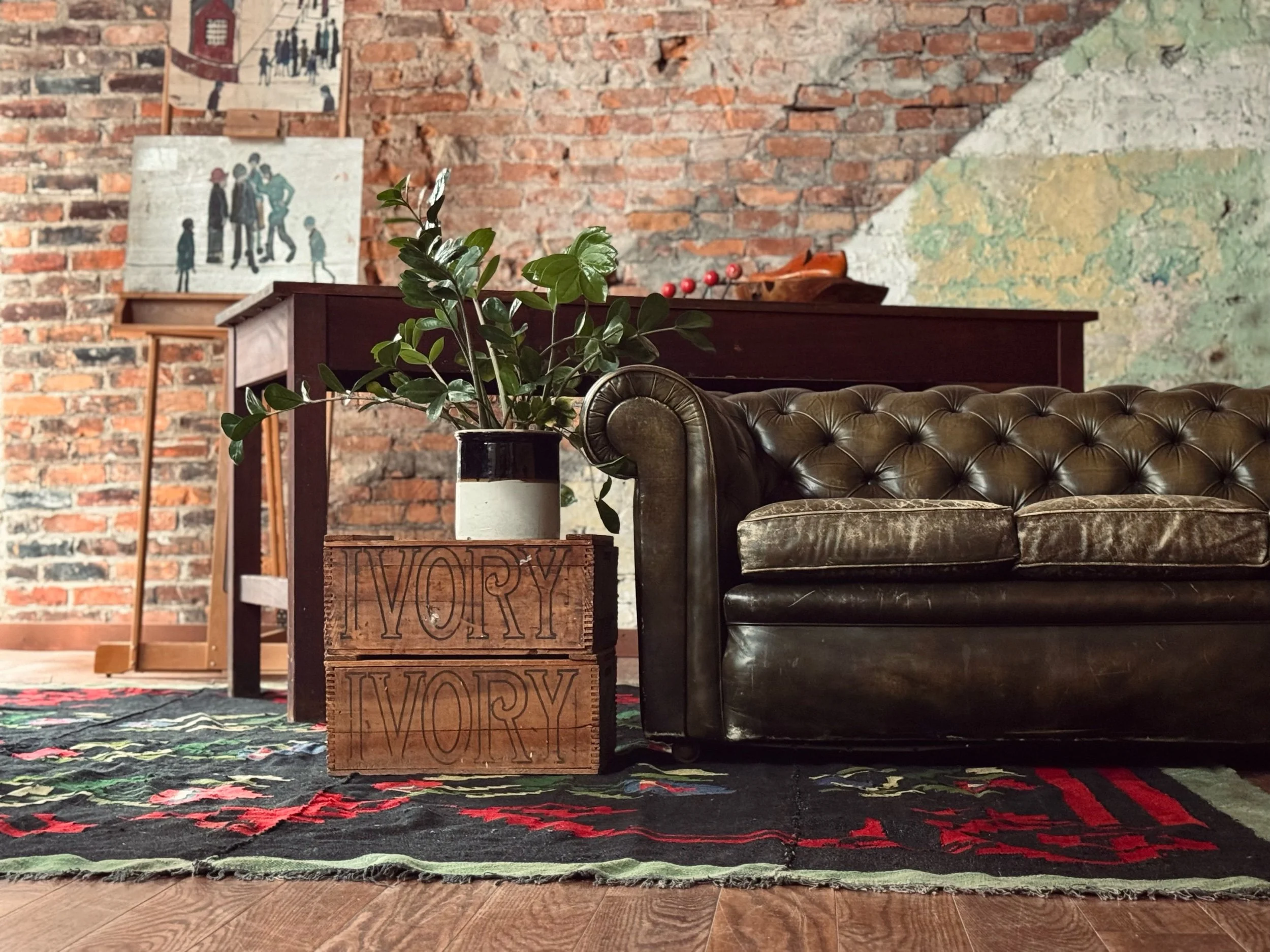 Image 25 of 25