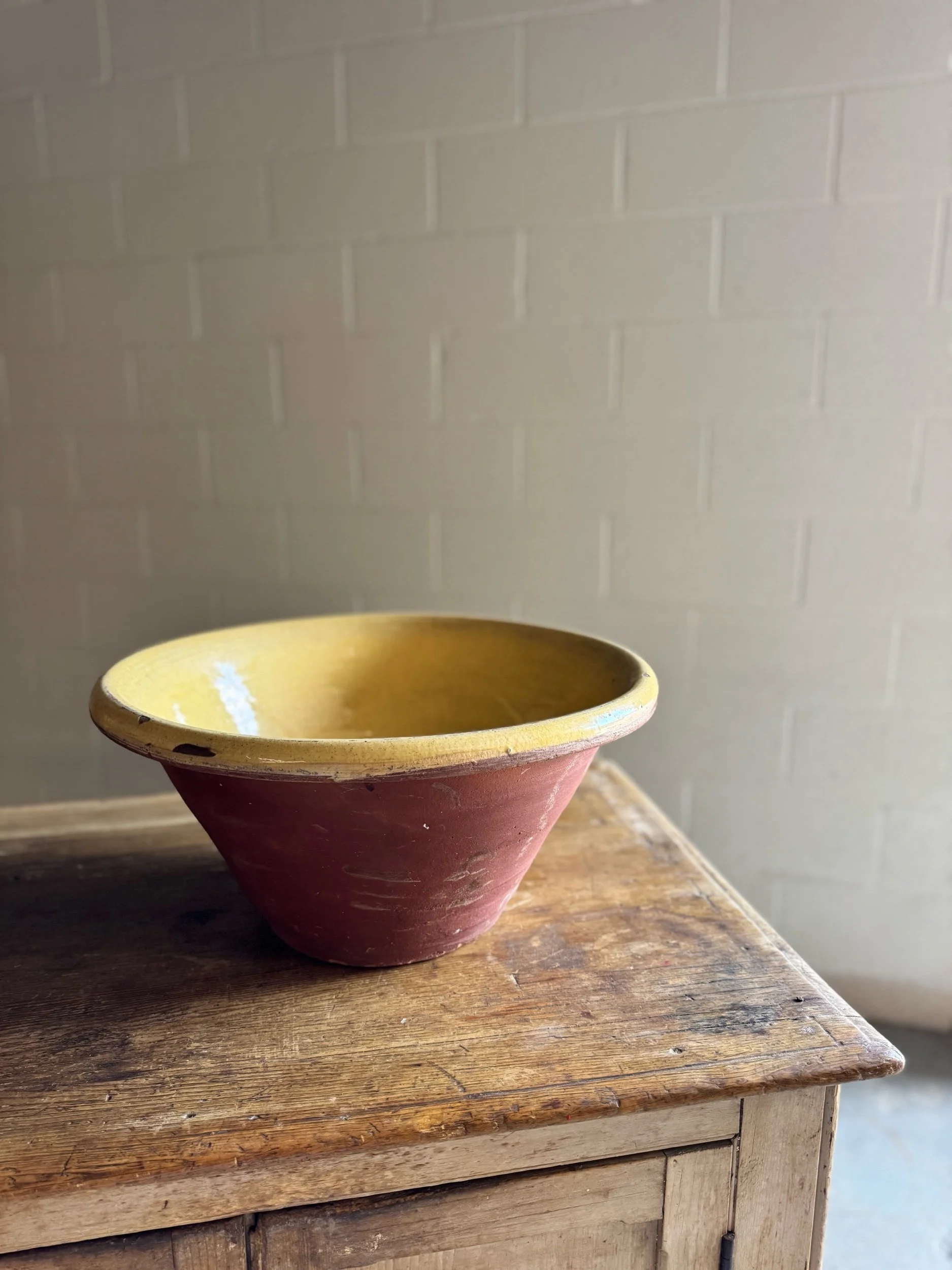
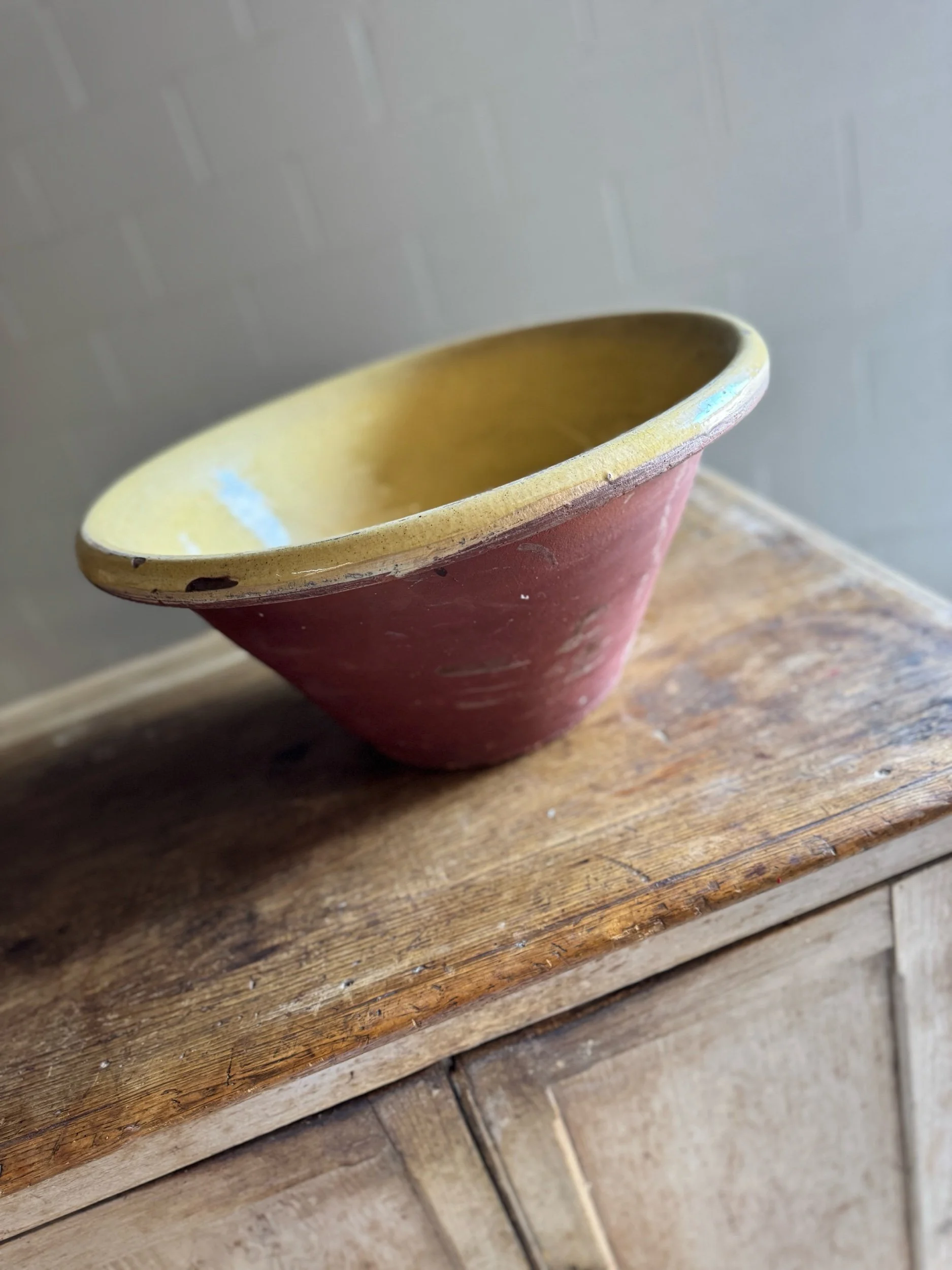
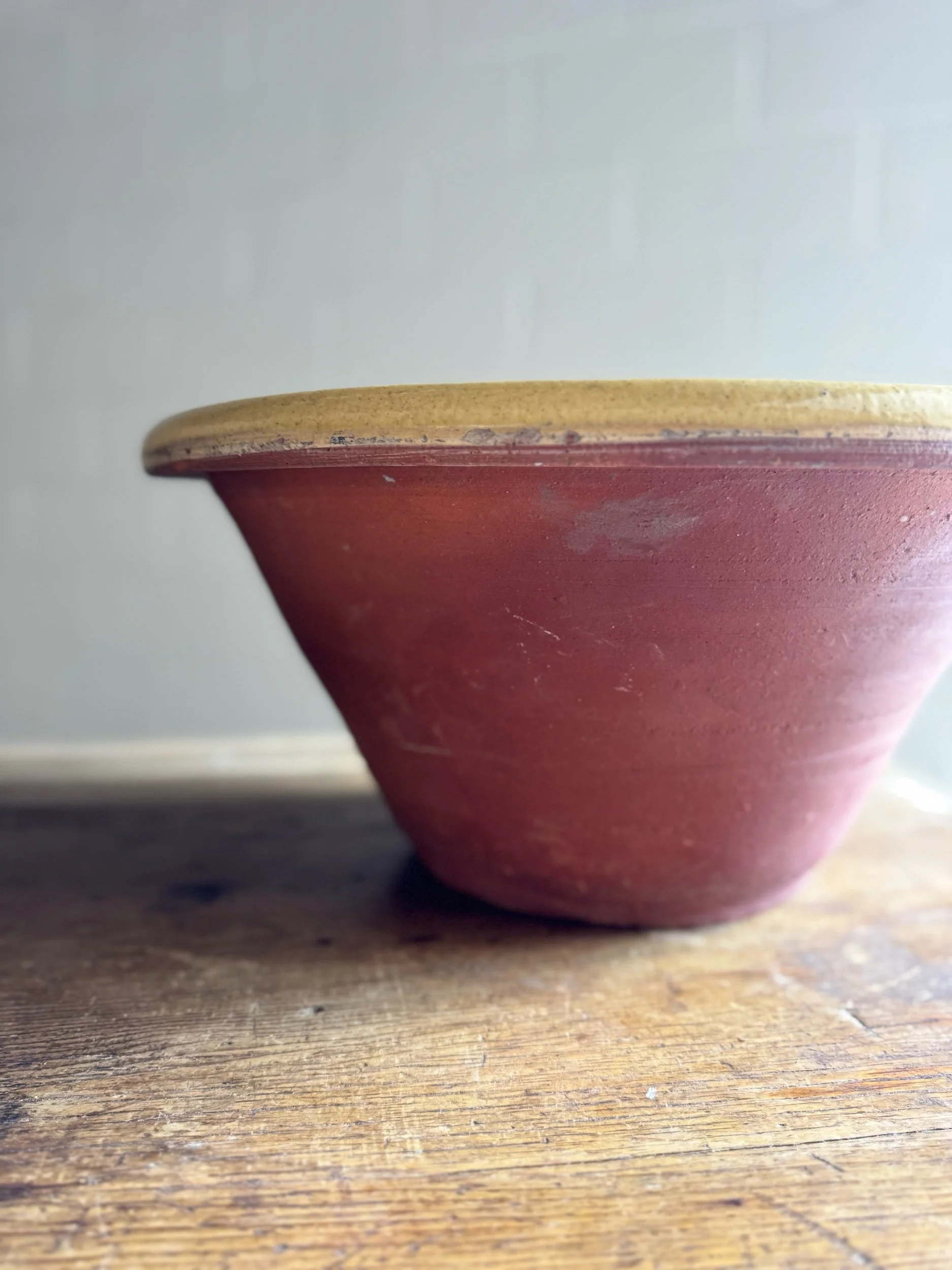
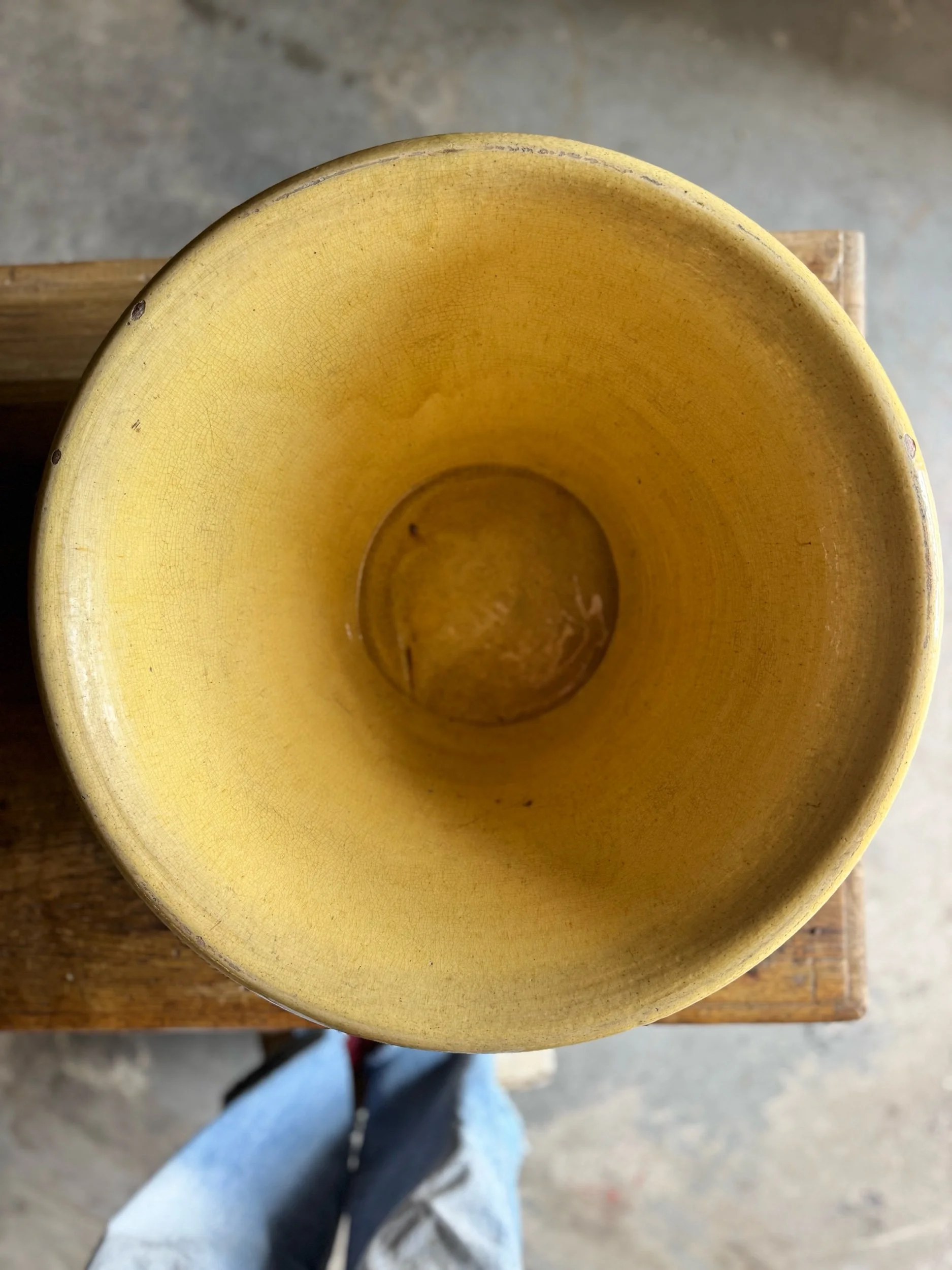
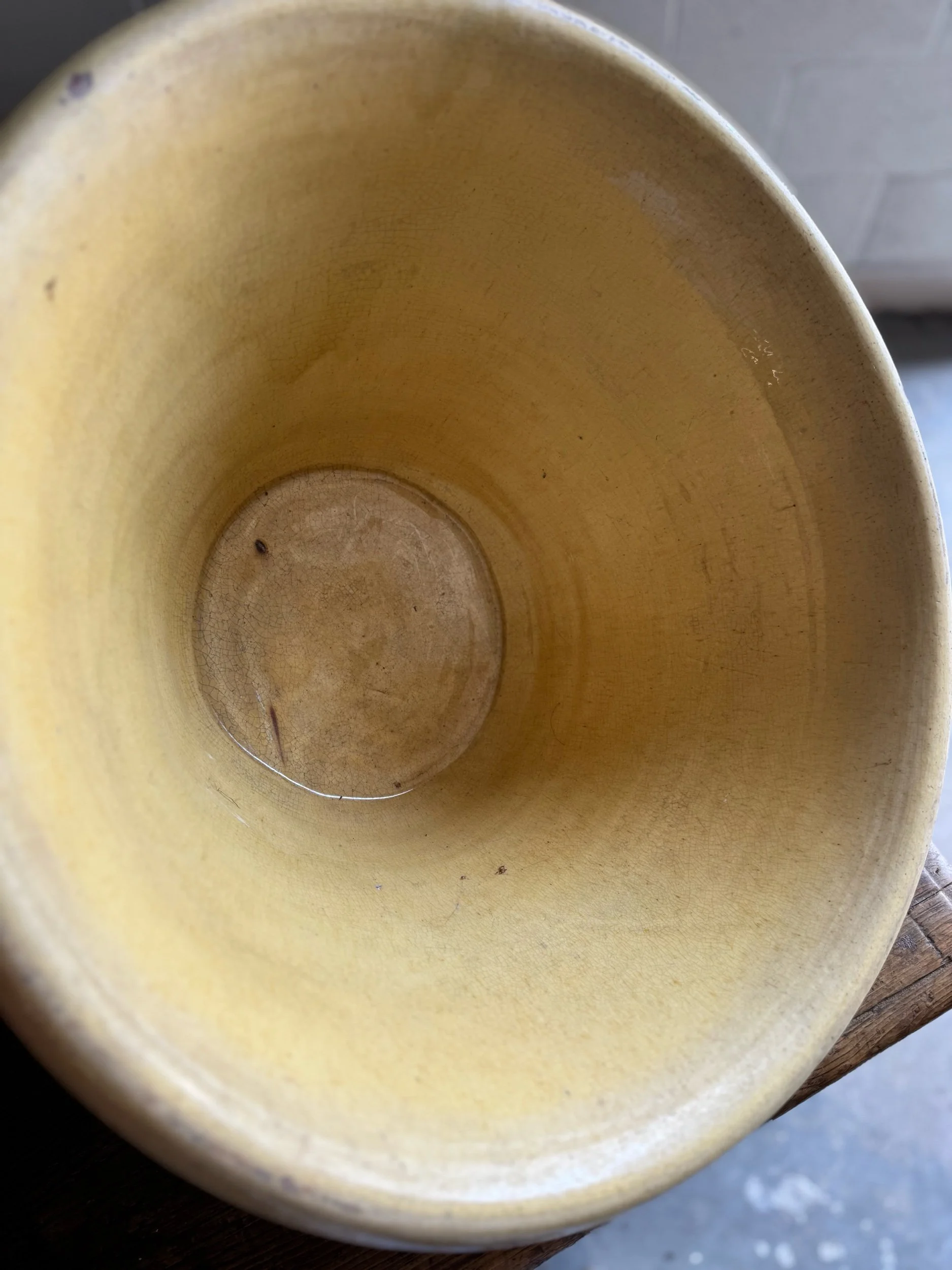
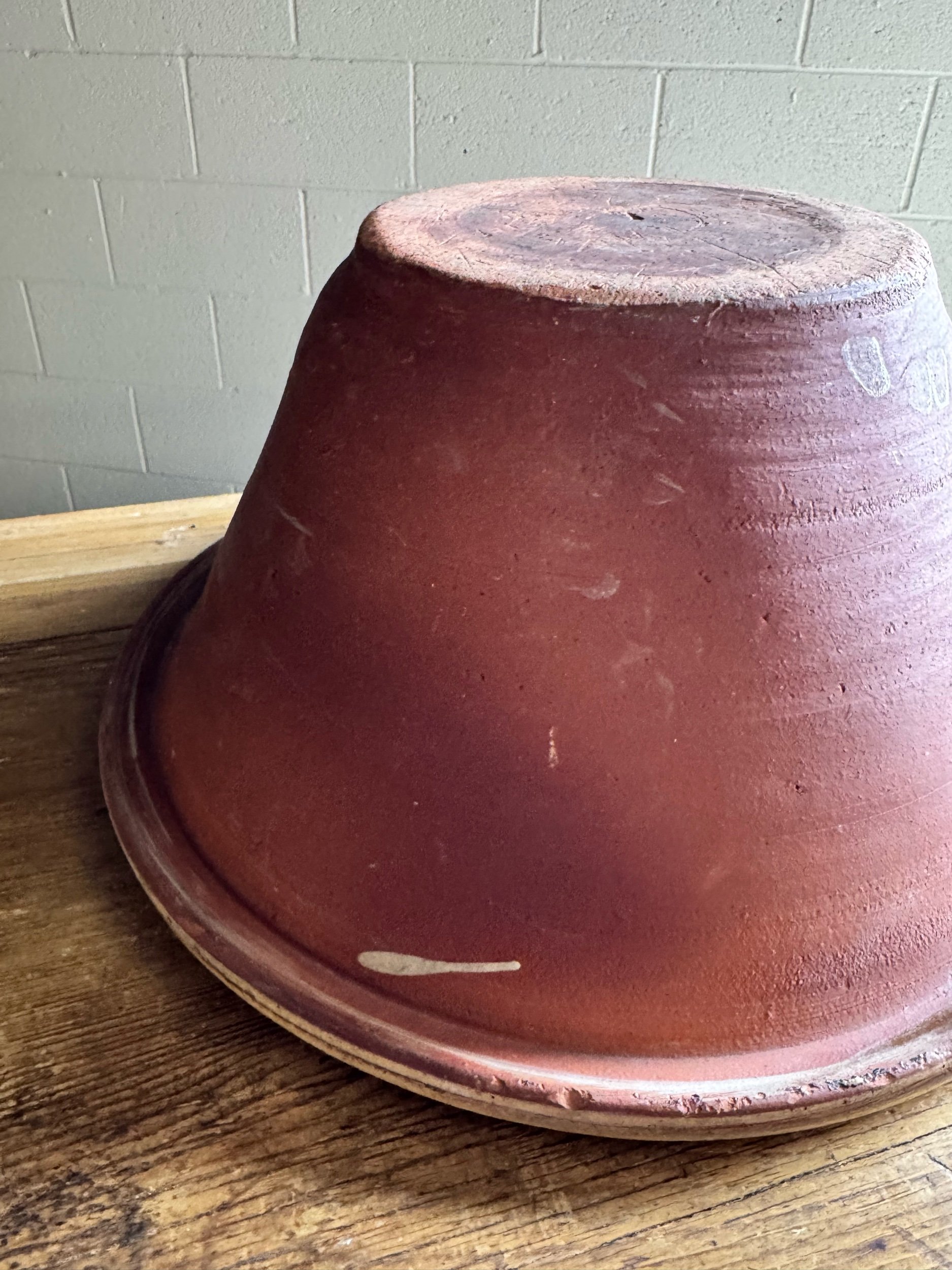
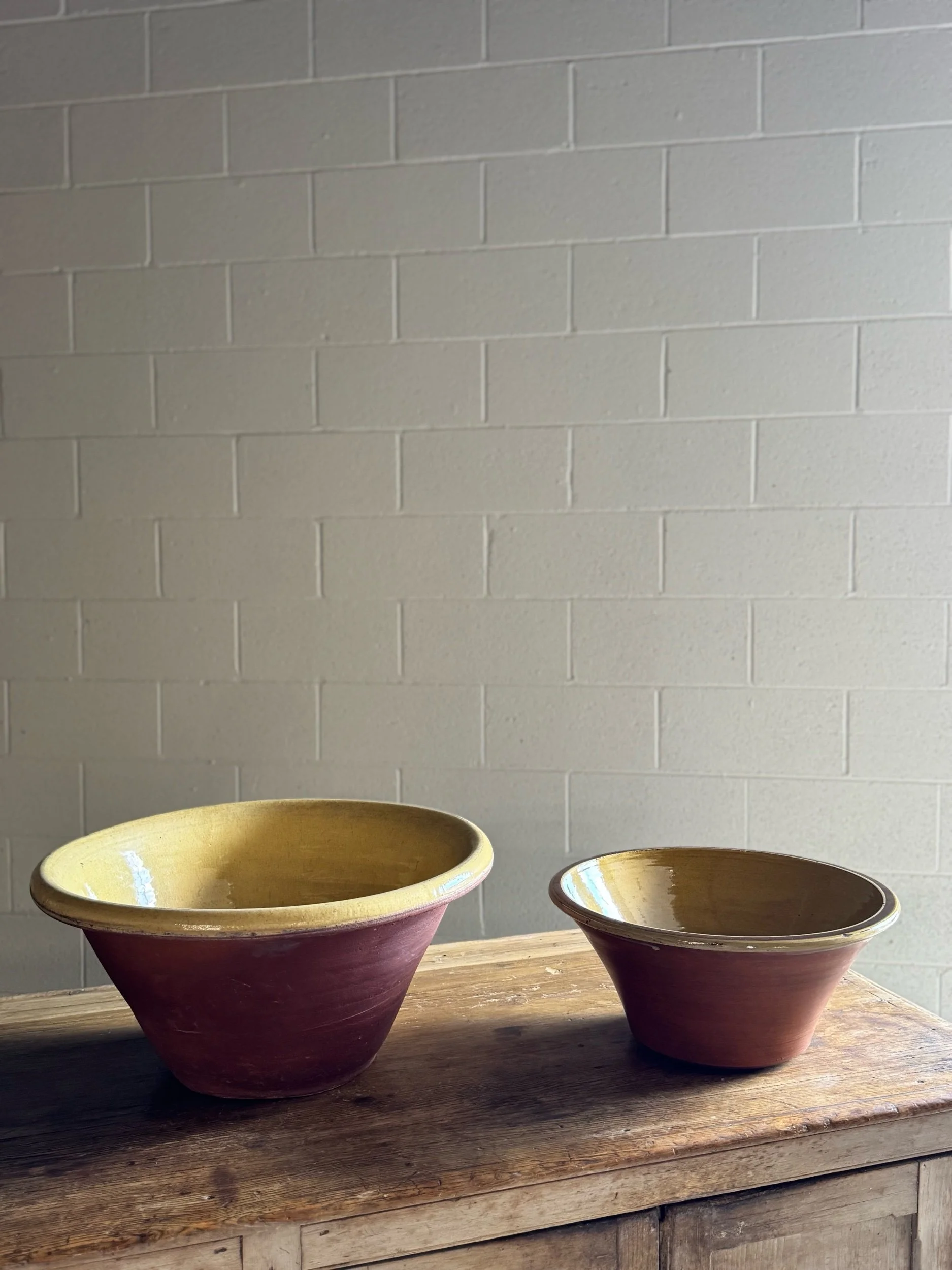
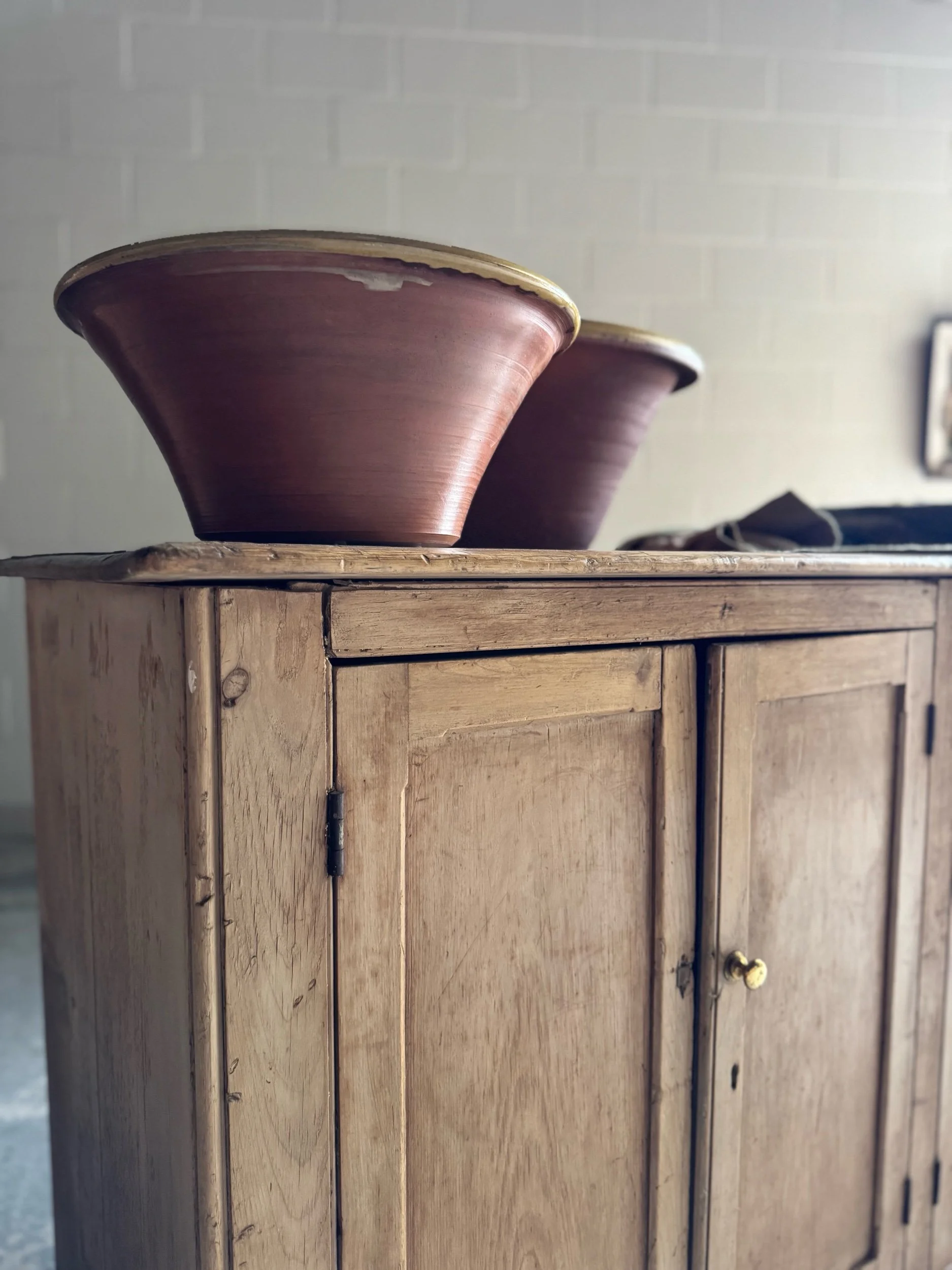
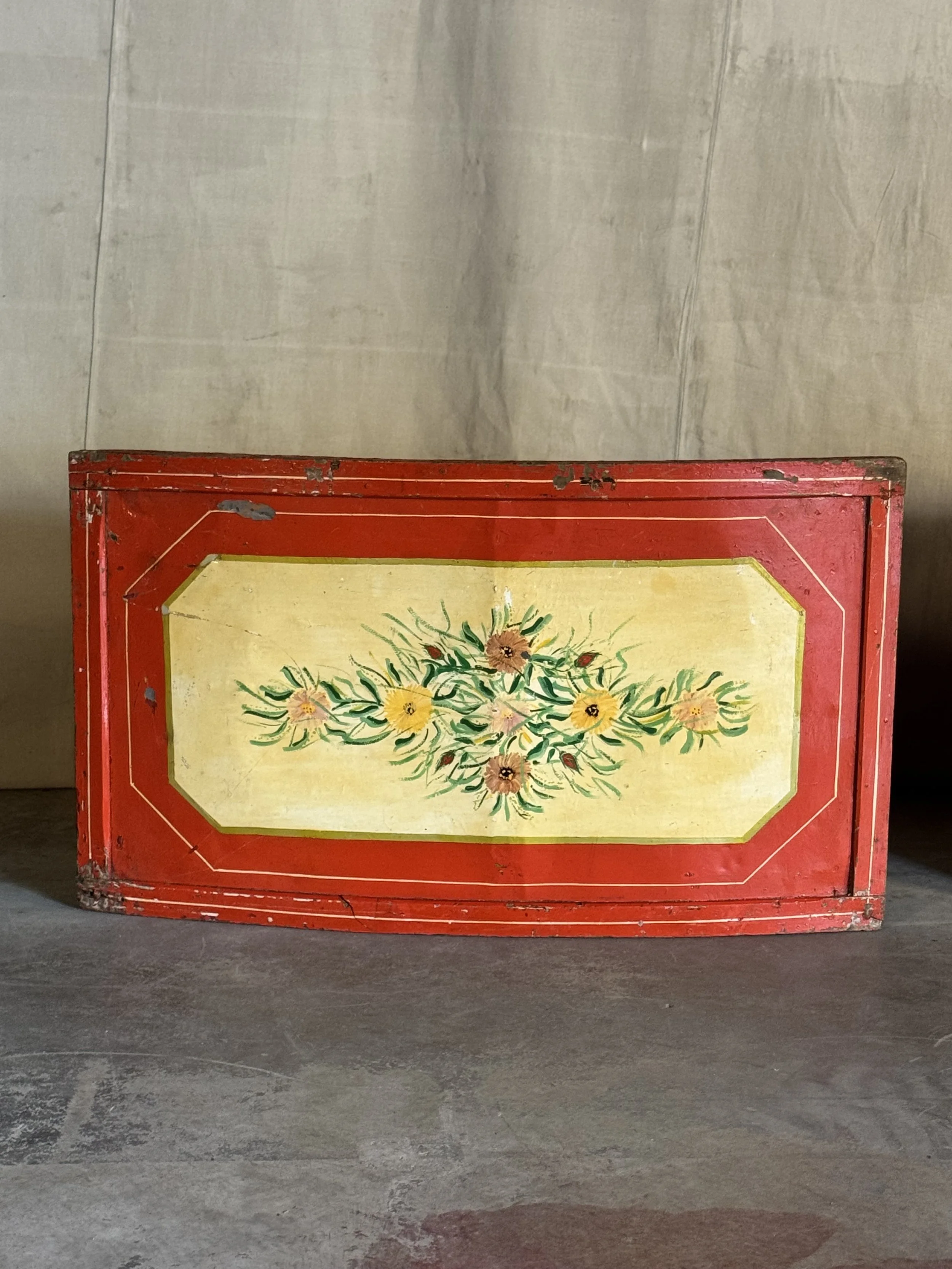
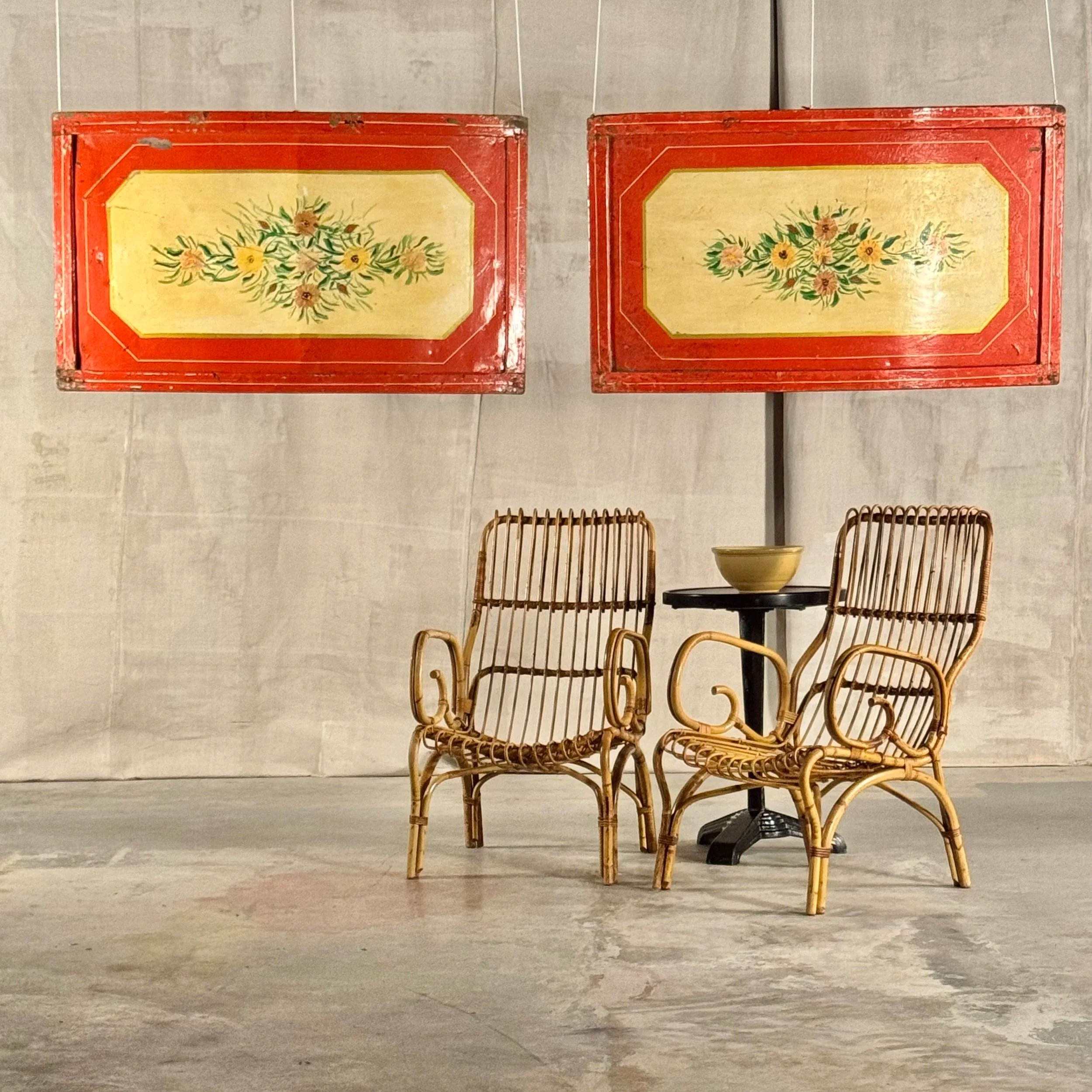
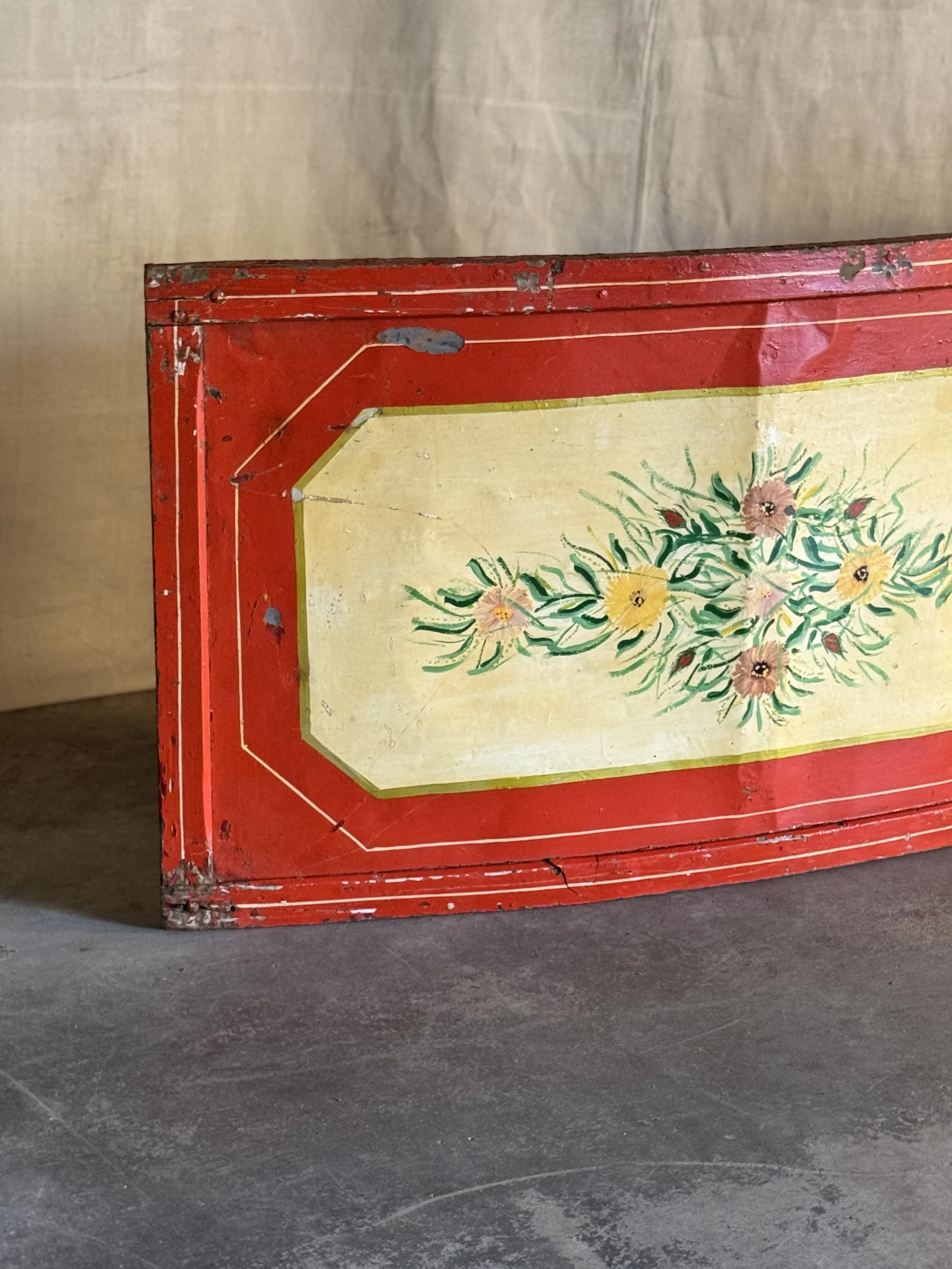
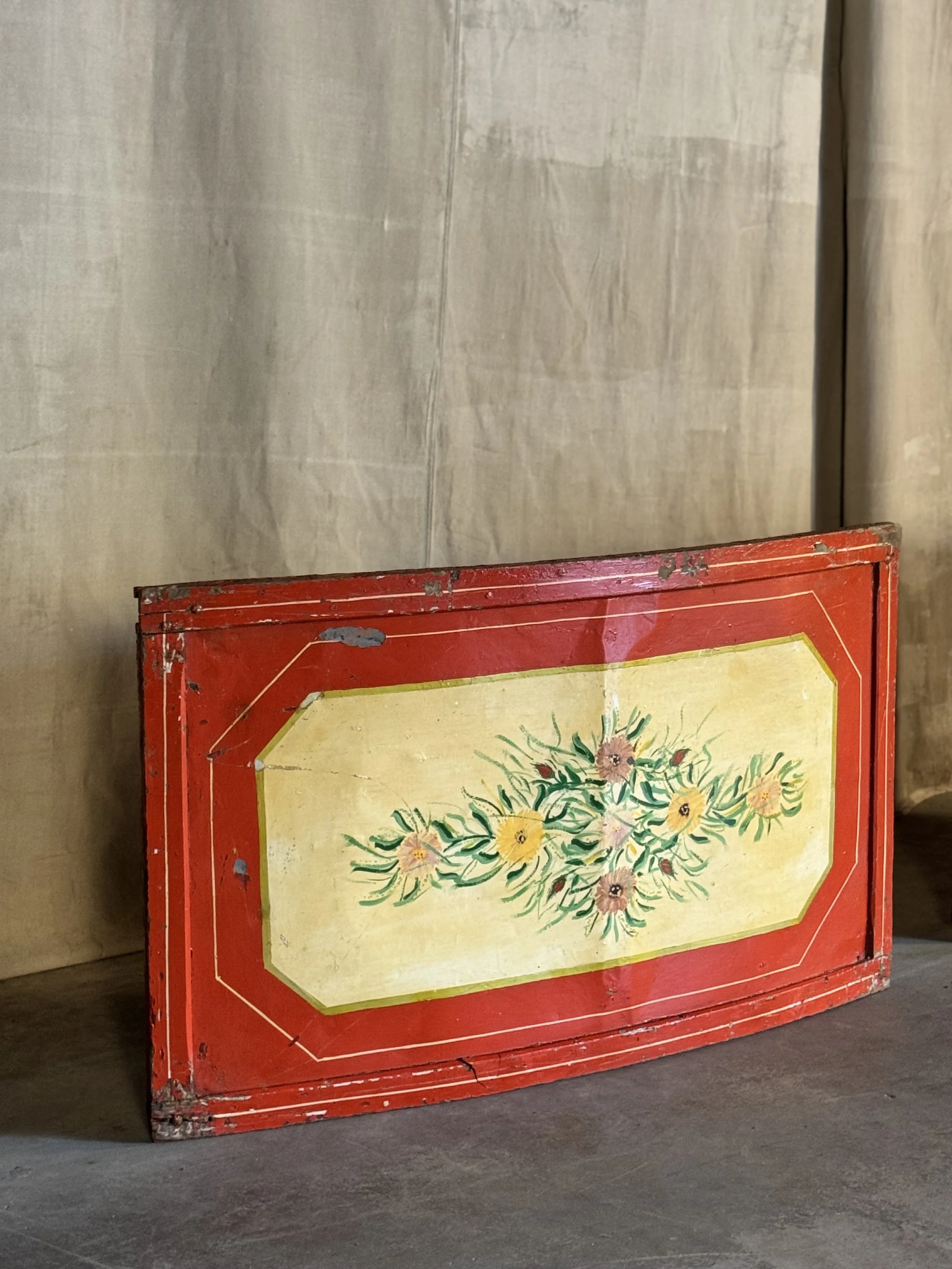
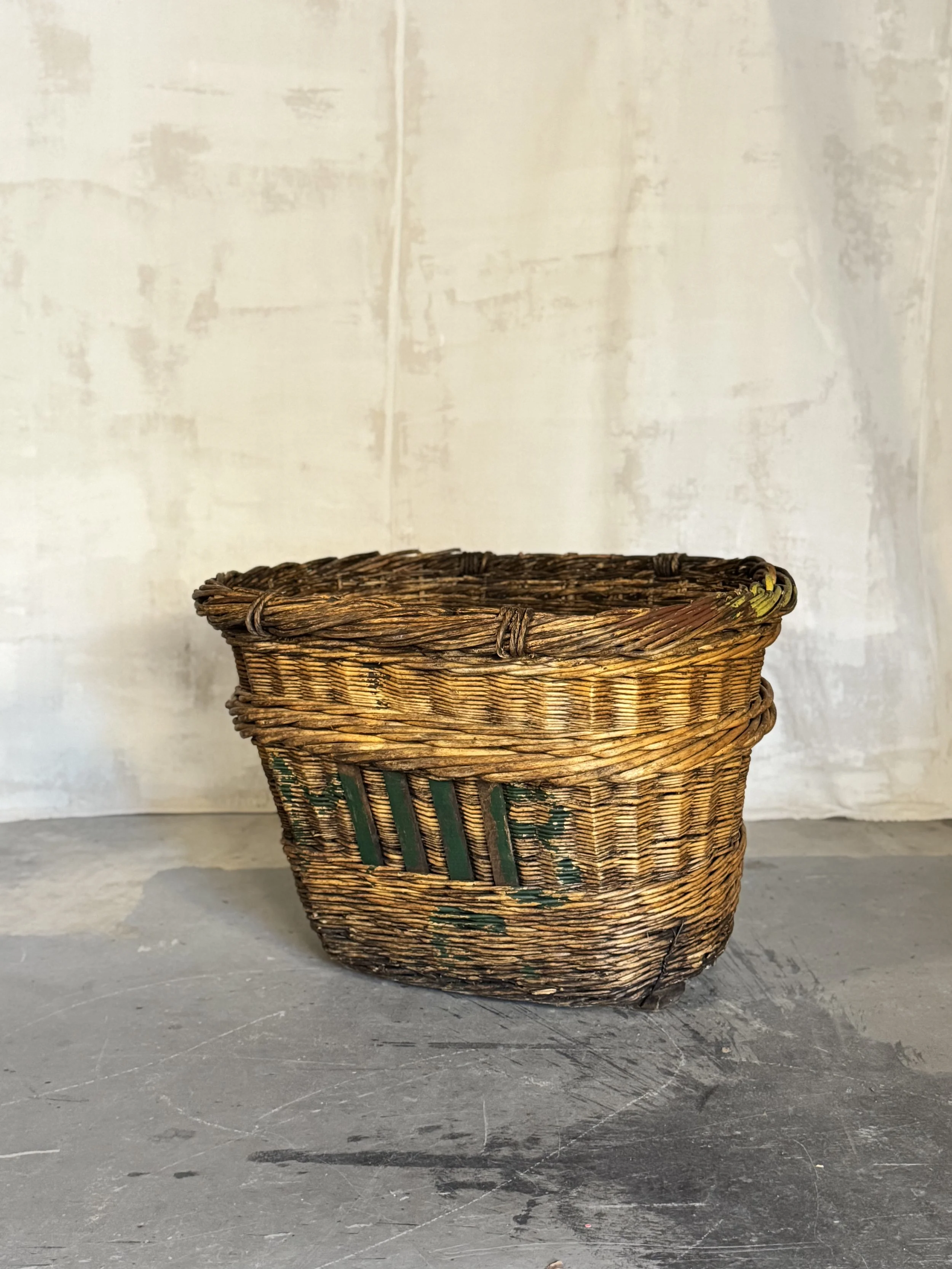
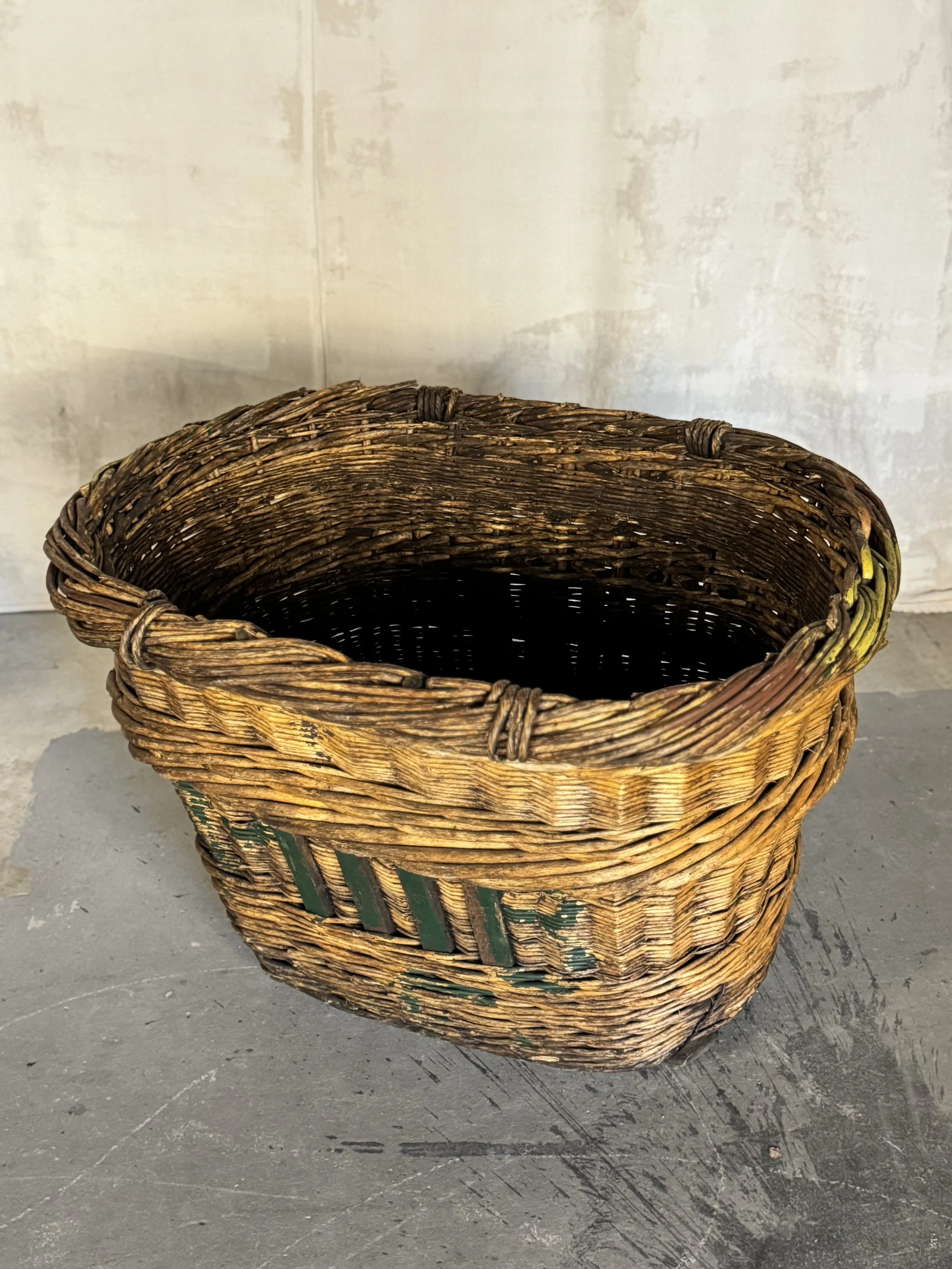
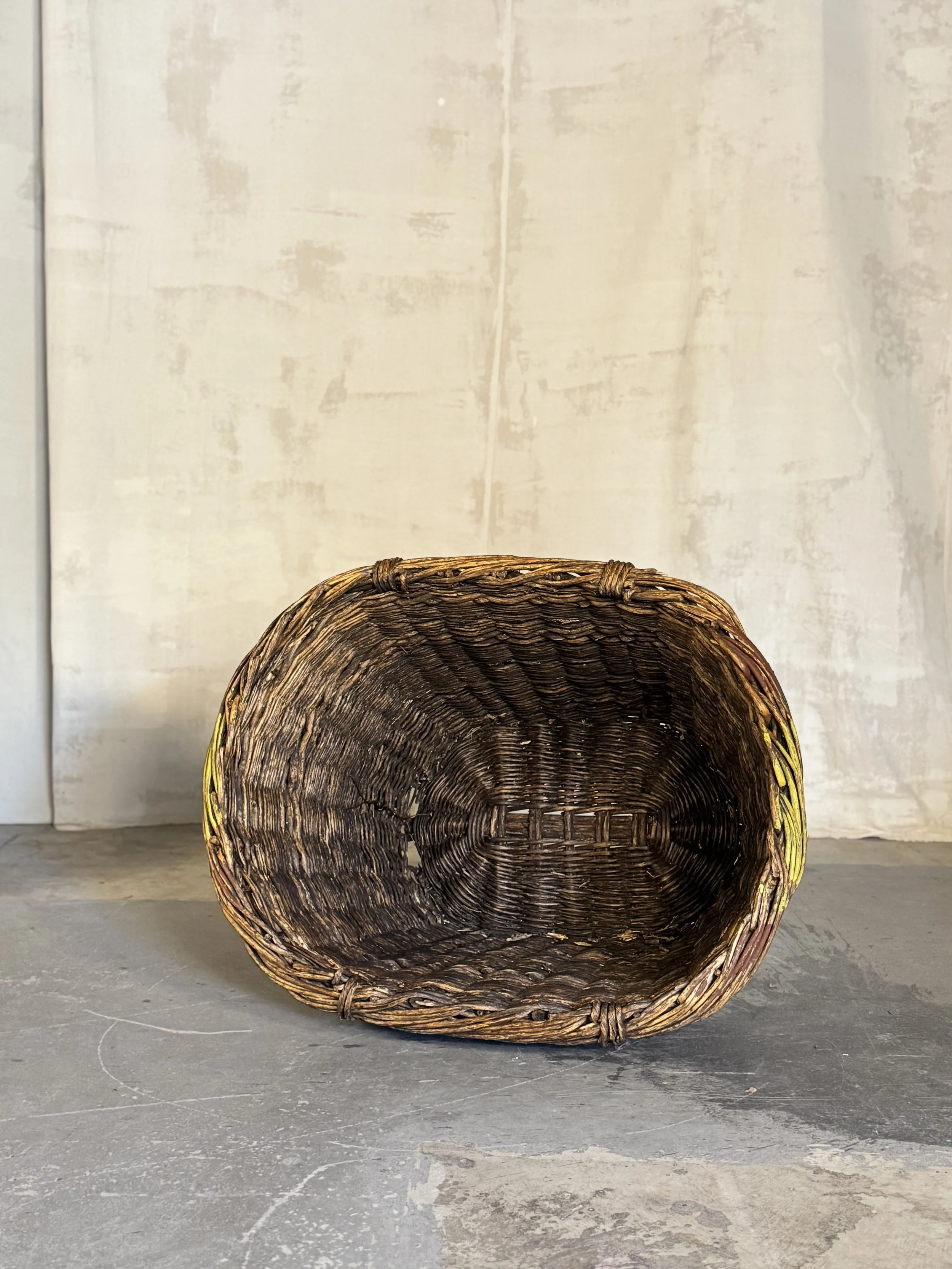
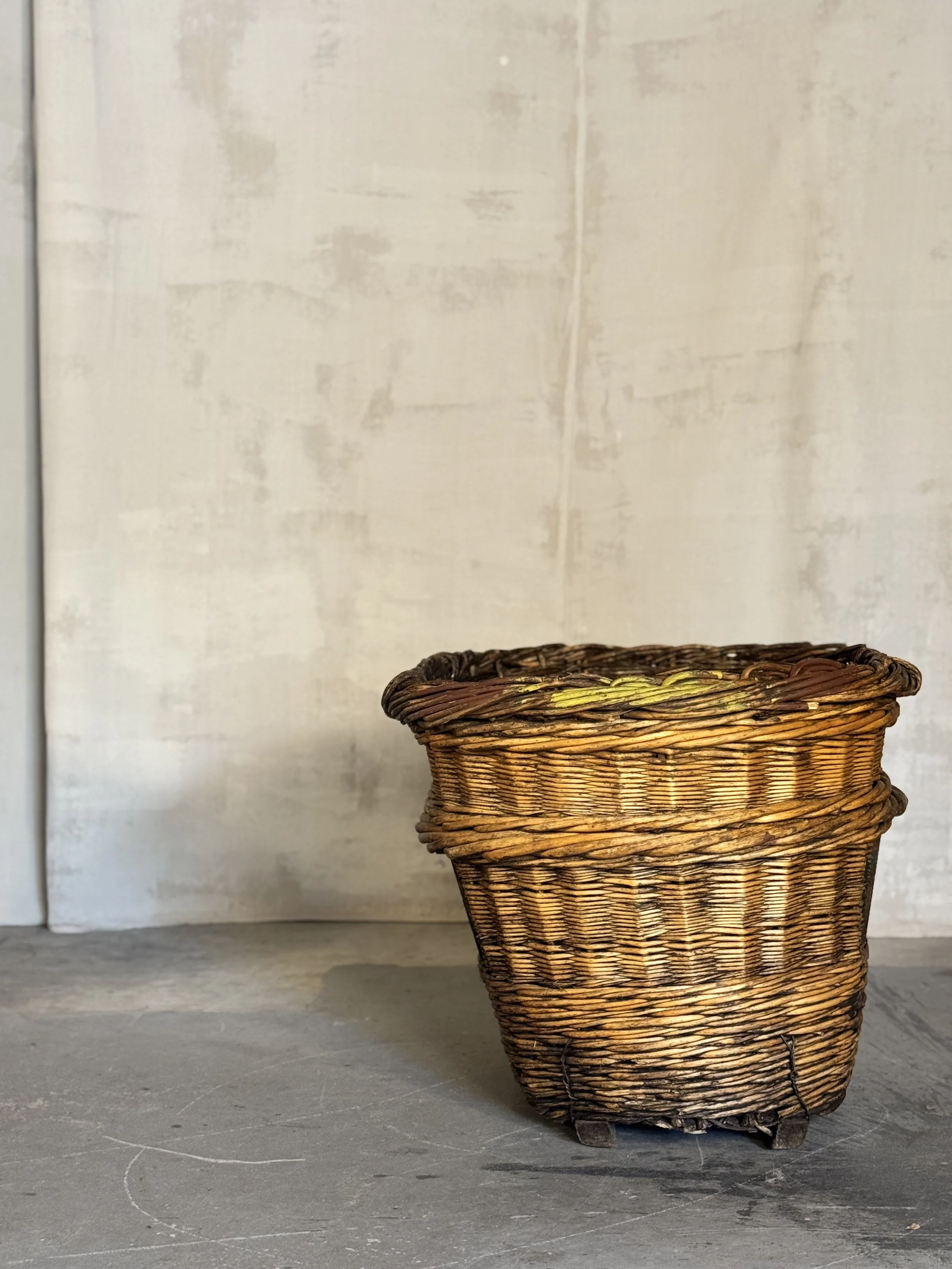
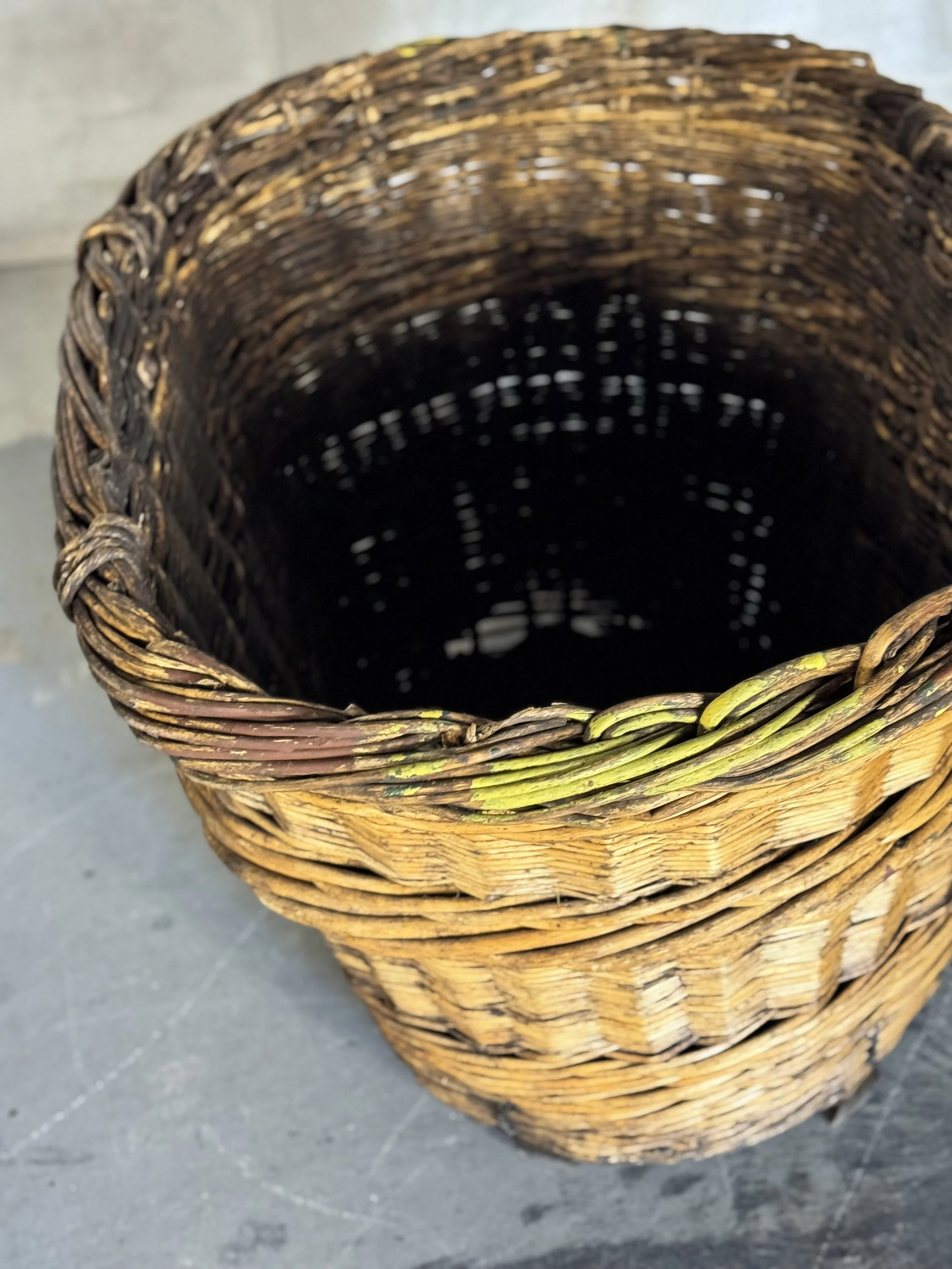
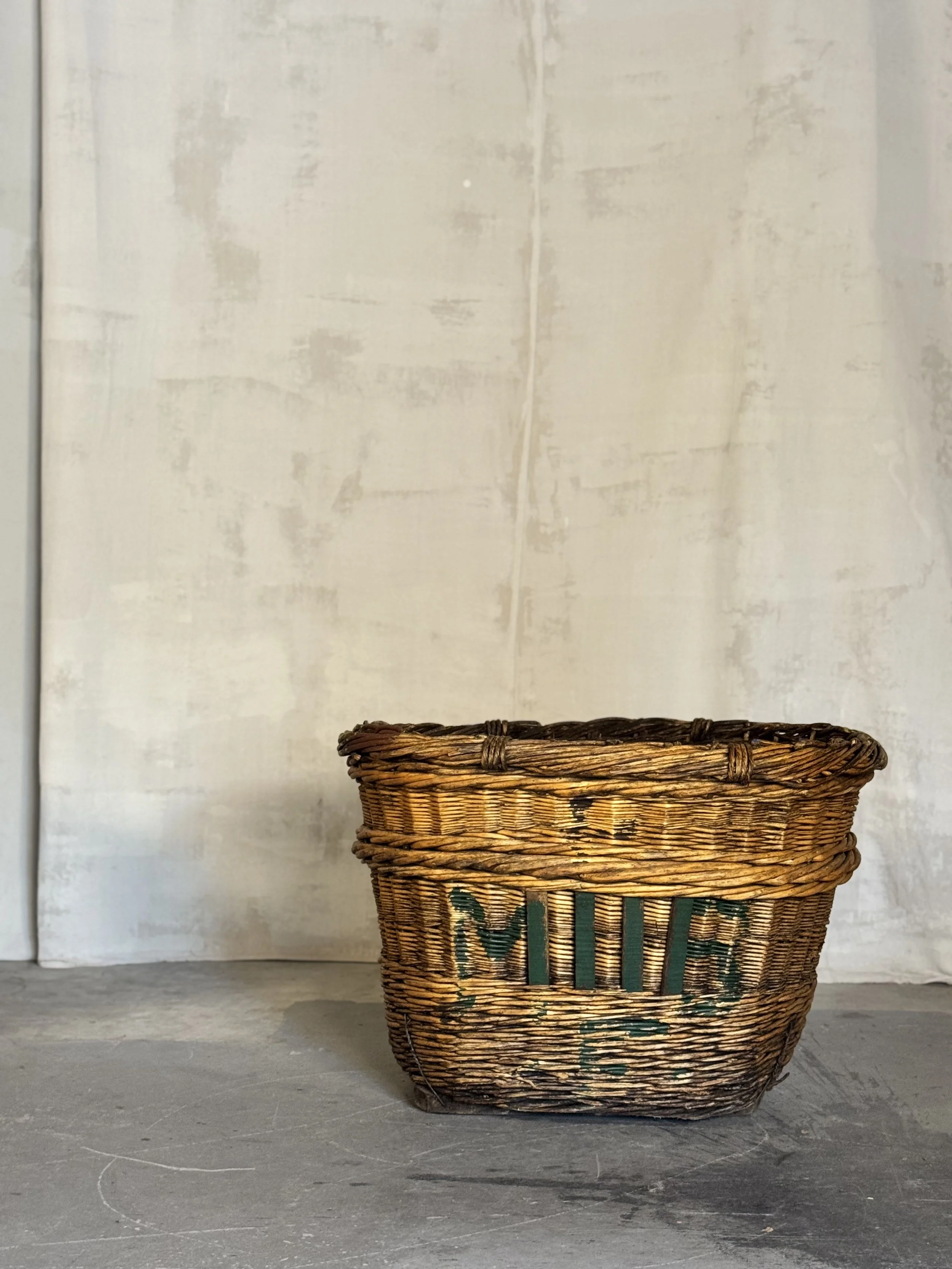
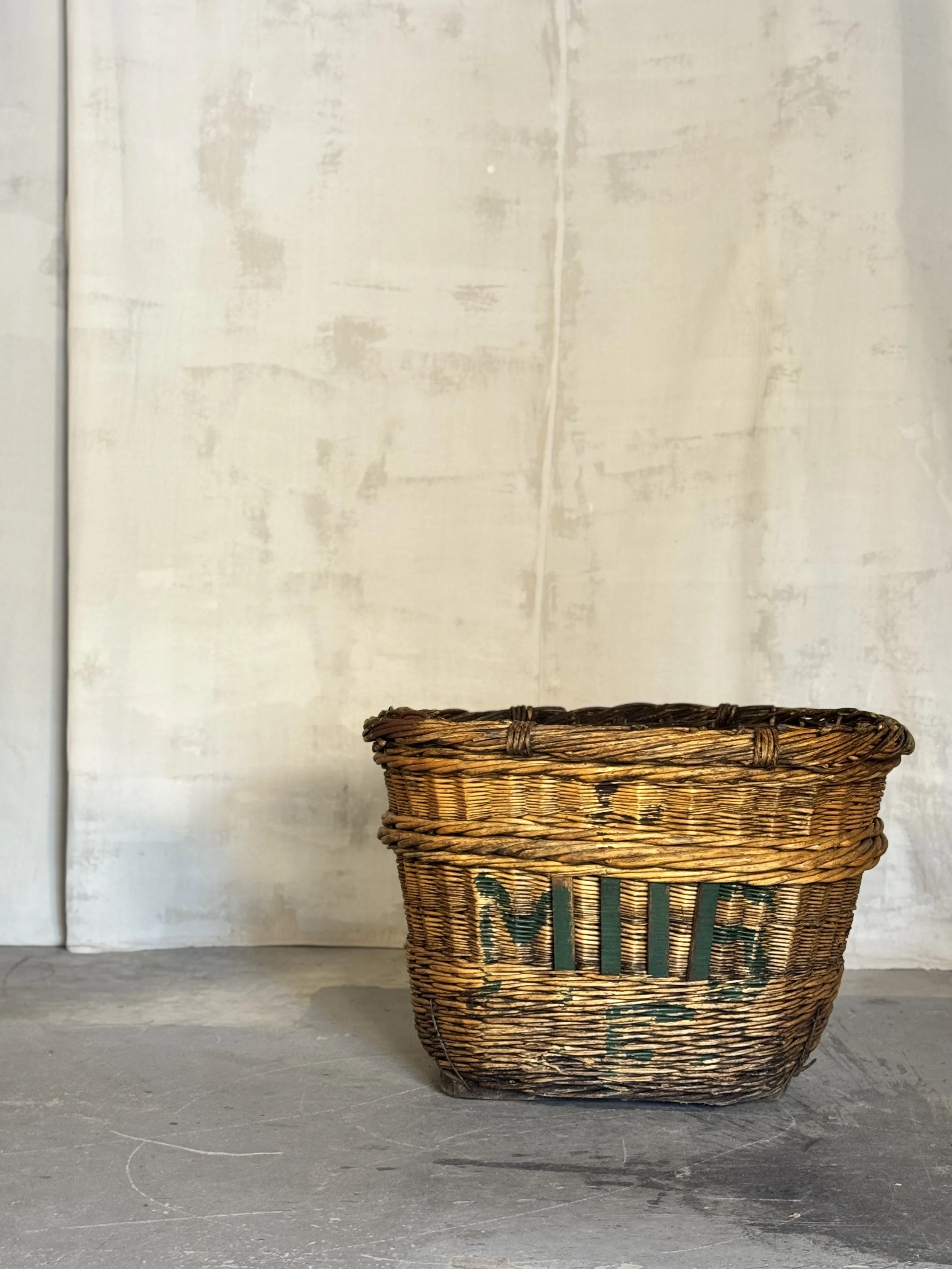
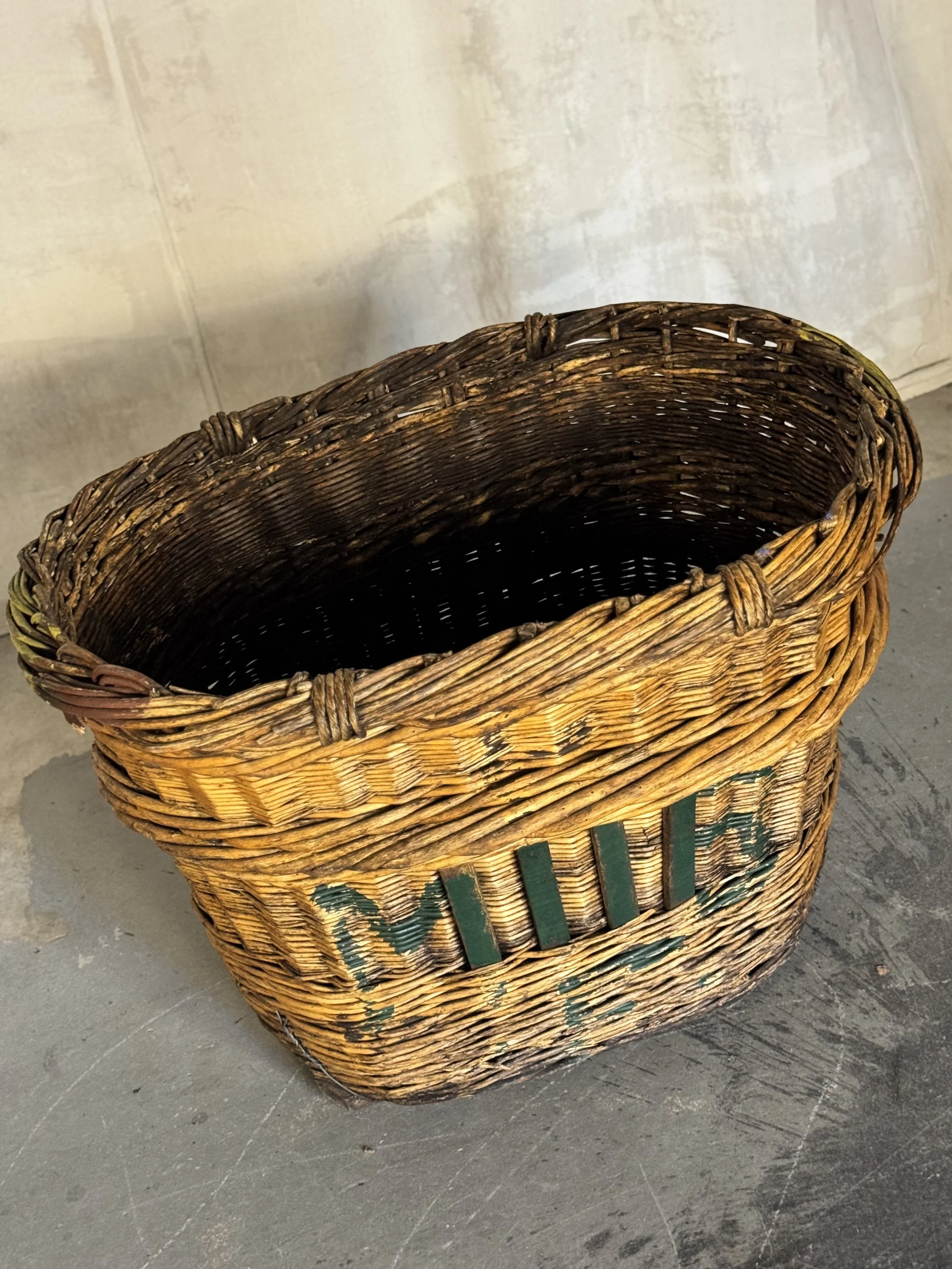
Pair, monumental Willy Guhl saucer planters, circa 1970, crafted in fiber cement with the iconic pedestal form that has become synonymous with mid-century Swiss garden design. Their dramatic shallow bowls and sculptural silhouettes create a striking architectural presence, equally suited for interior installations, conservatories, or outdoor landscapes. Beautifully weathered throughout, the surfaces have developed an exceptional aged patina with layers of lichen, moss staining, and natural textural variation that only decades of outdoor exposure can produce.
Designed by celebrated Swiss architect and industrial designer Willy Guhl, these planters are among the most recognizable examples of 20th-century garden design. Guhl’s innovative use of Eternit fiber cement revolutionized outdoor furnishings in the postwar era, blending modernist form with lightweight durability. Today, his sculptural planters are highly sought after by collectors, designers, and architects for their timeless silhouettes and enduring functionality.
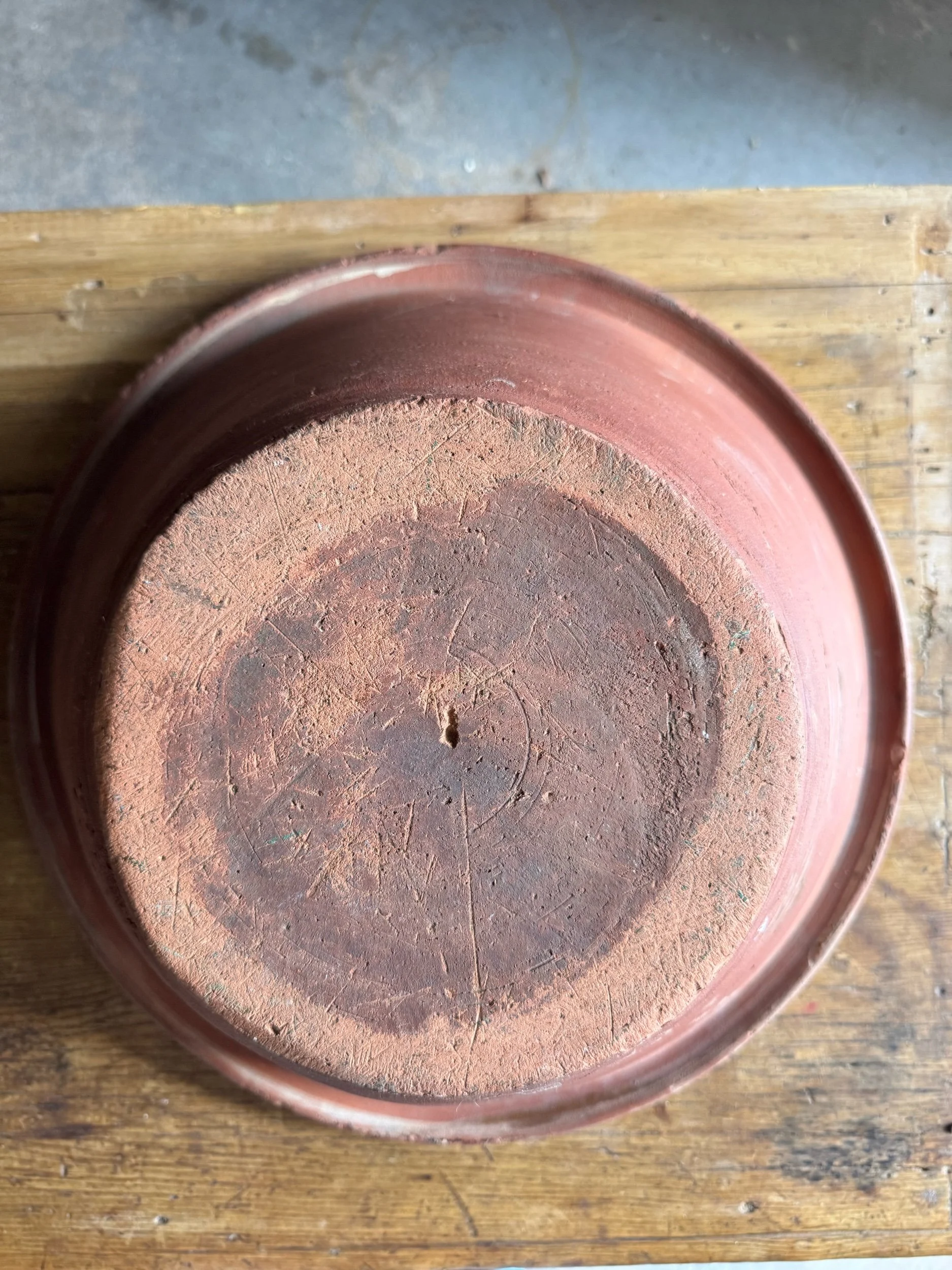
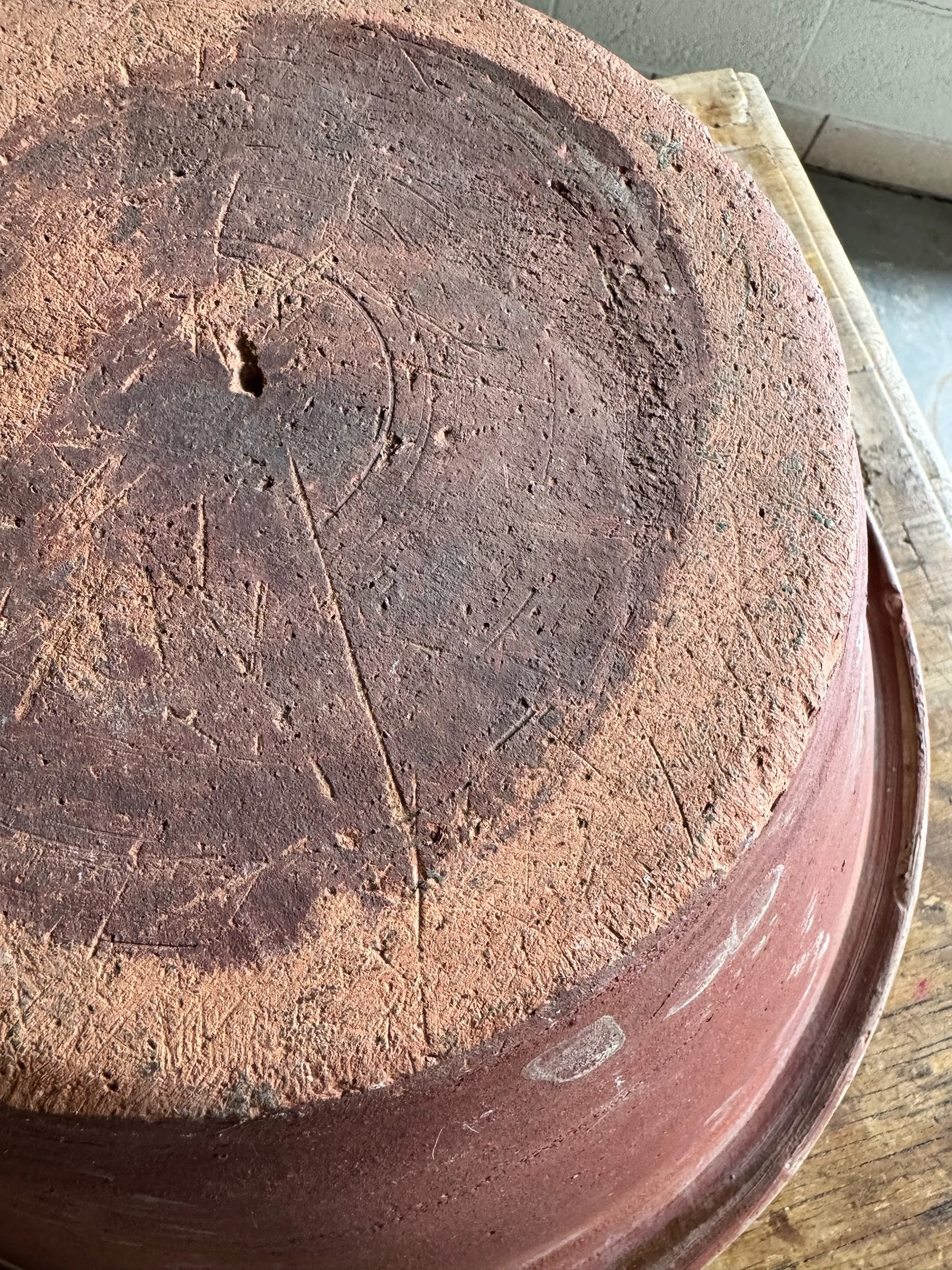
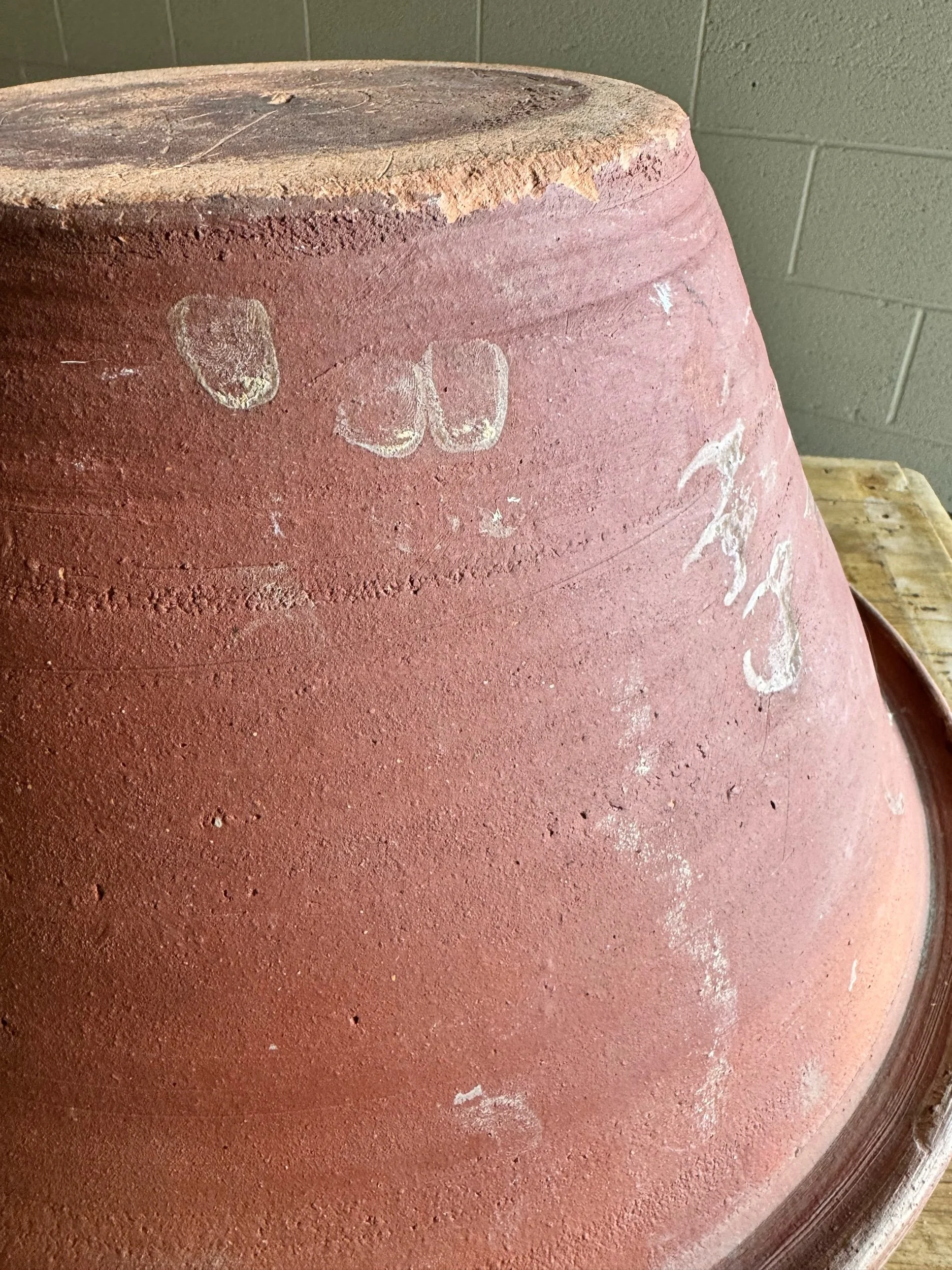
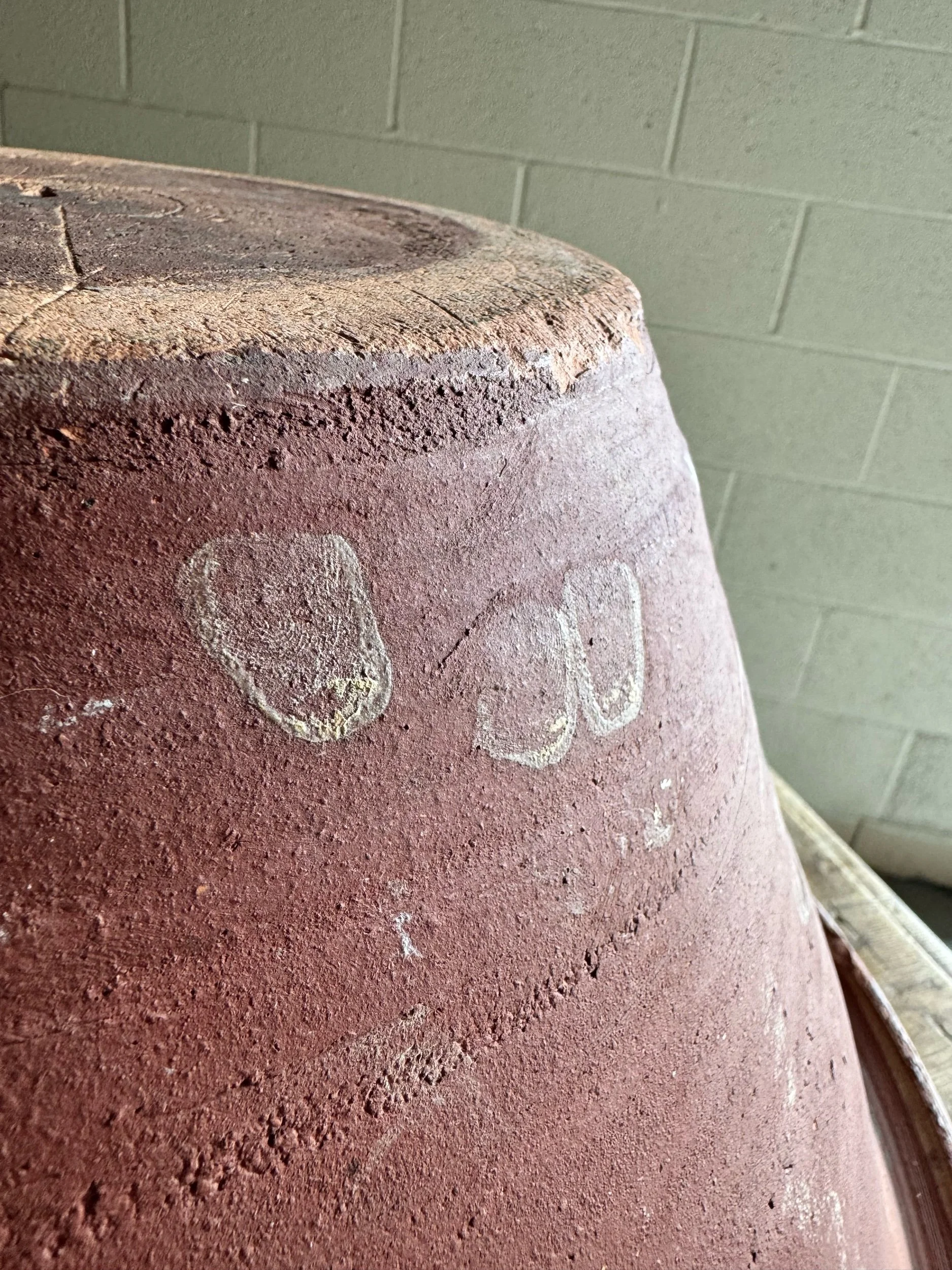
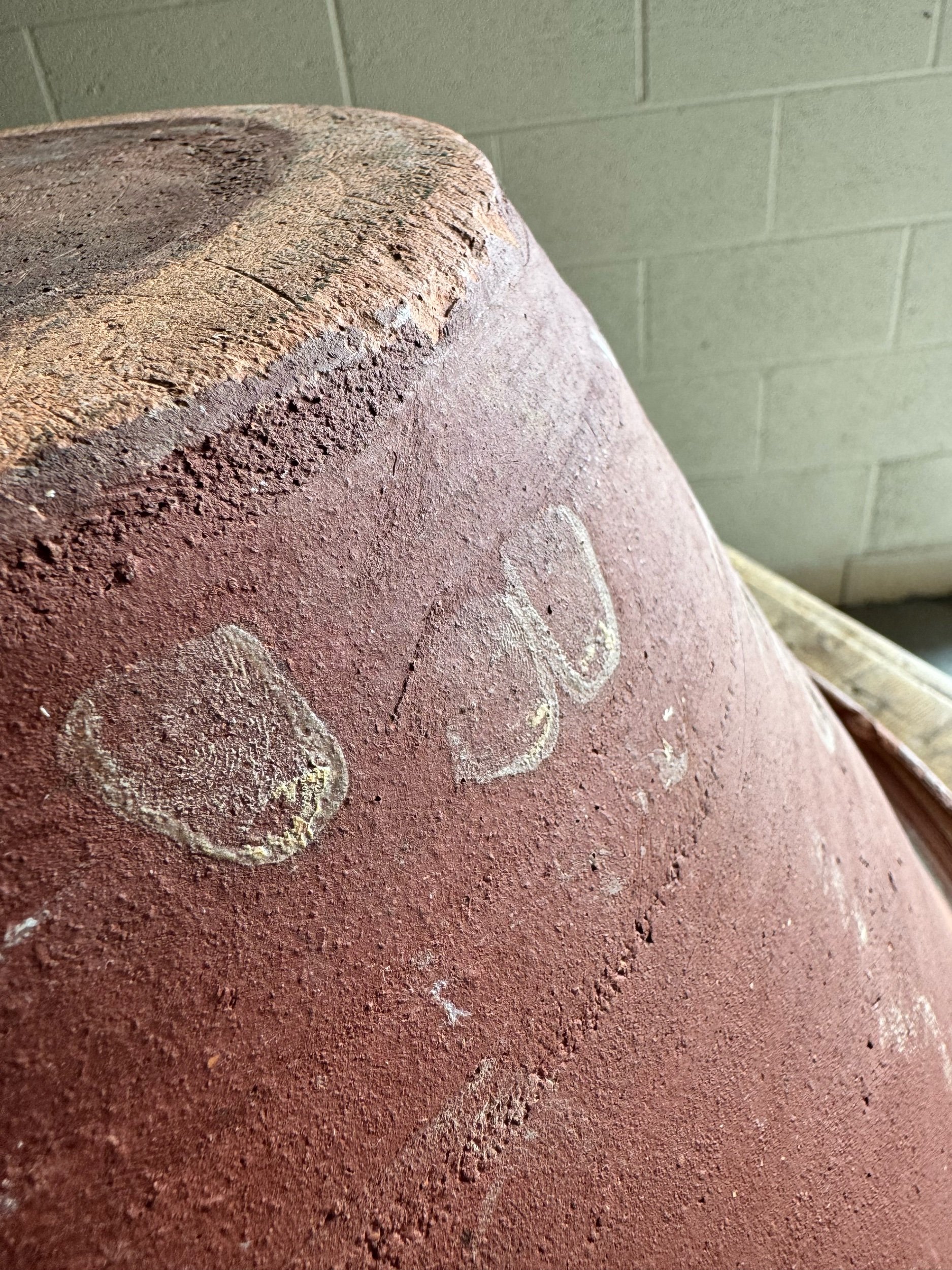
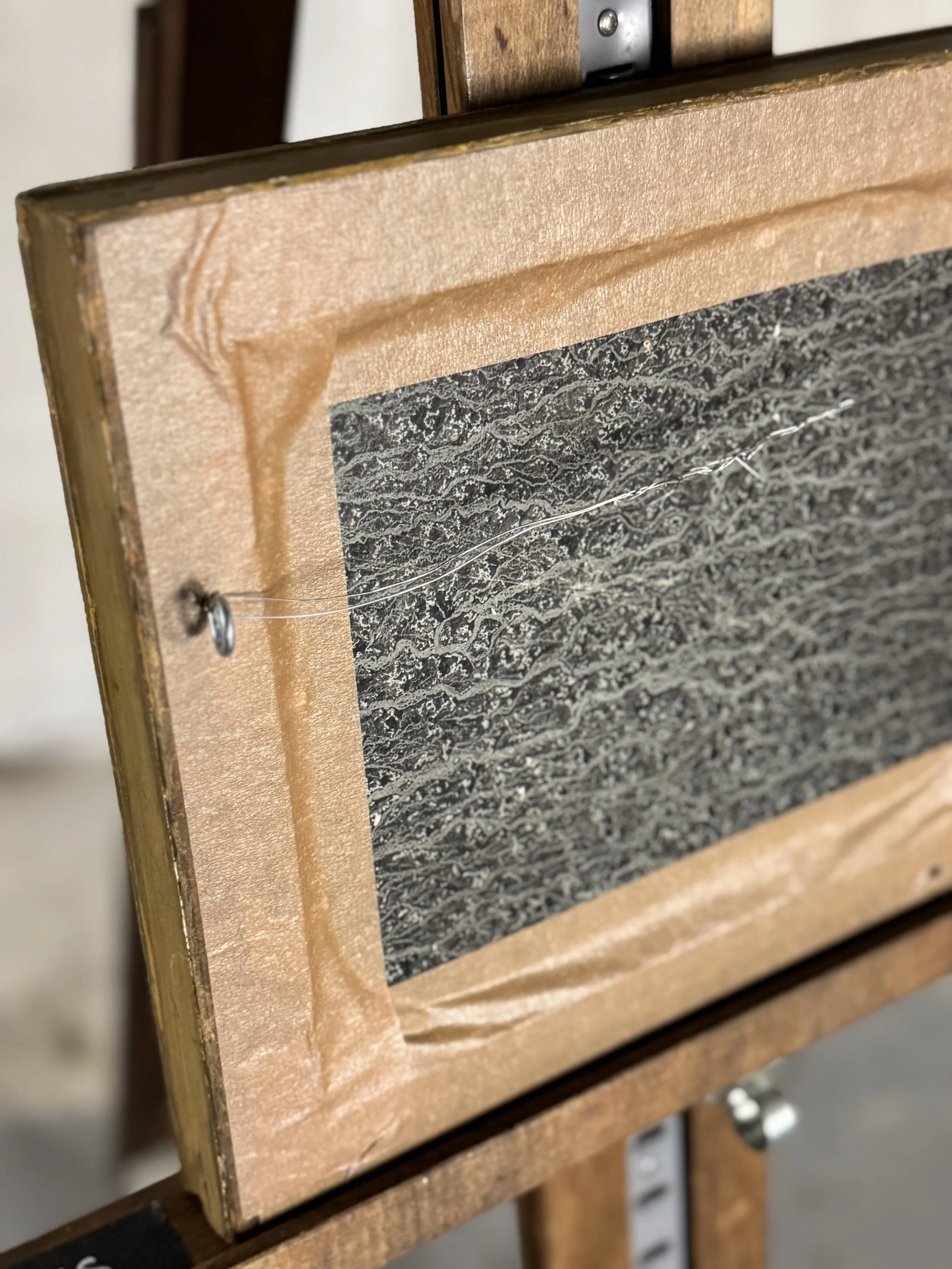
Stamped markings remain visible to the undersides.
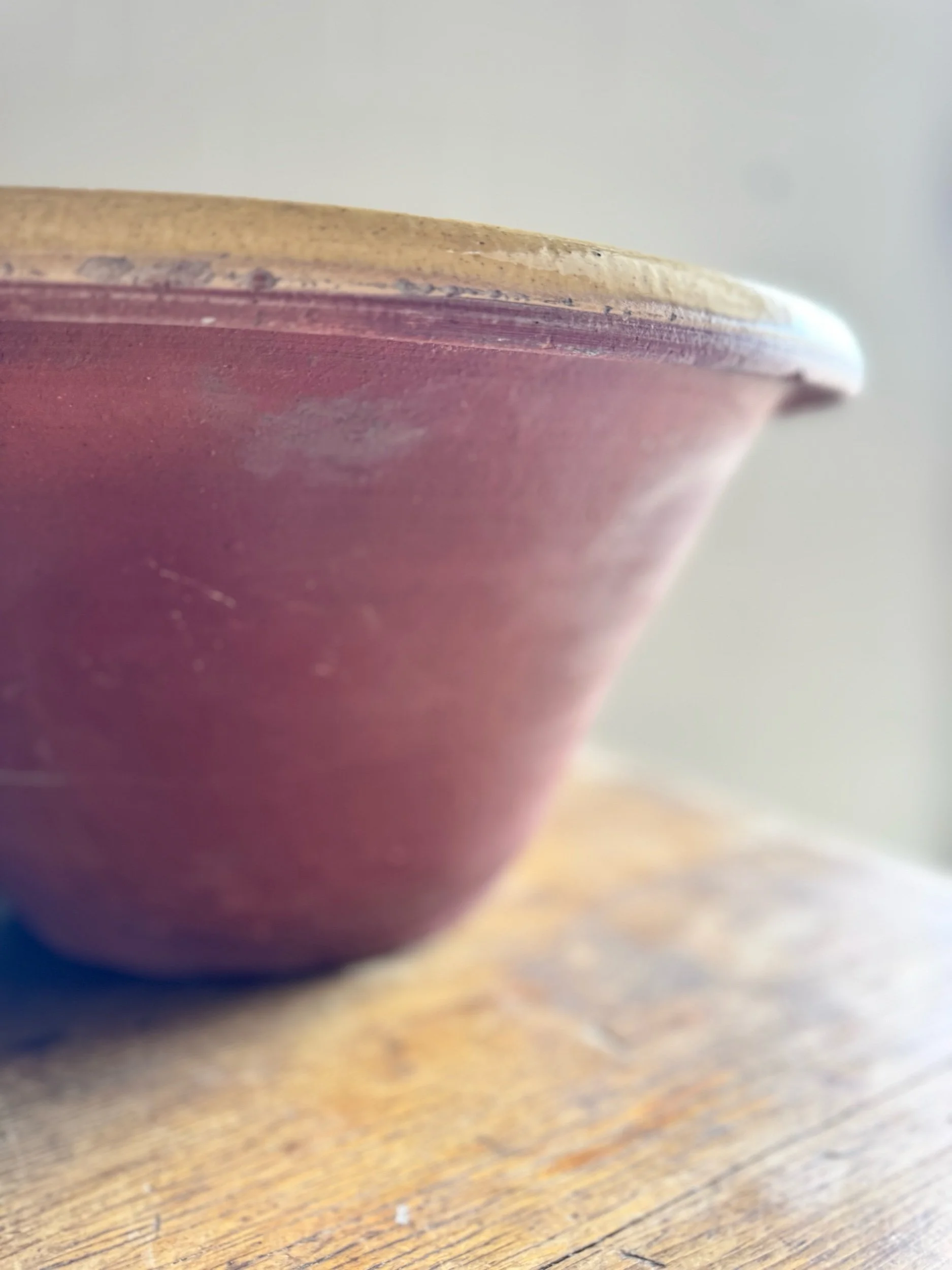
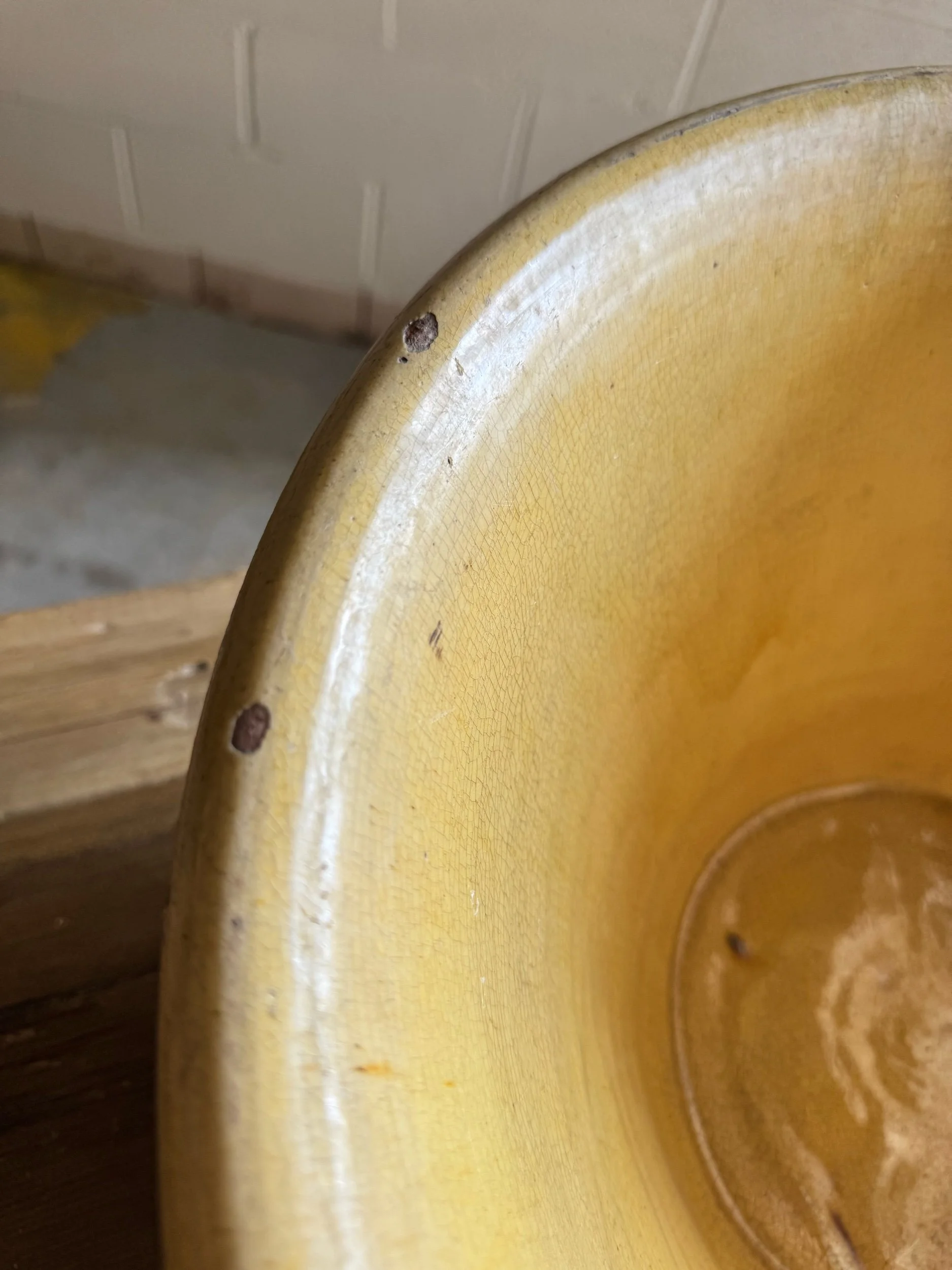
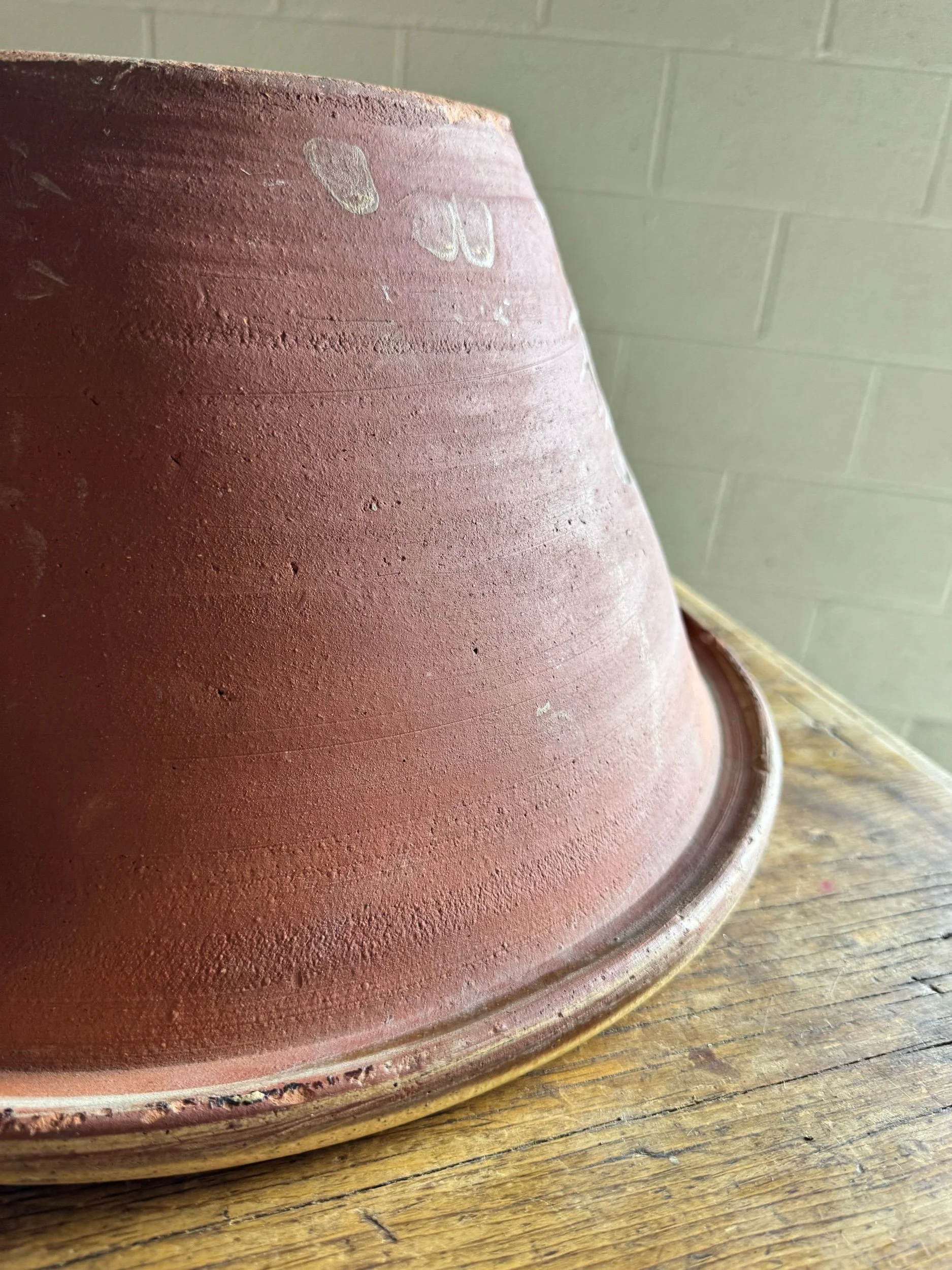
Heavy age and weathering consistent with long-term outdoor use, including significant patina, surface discoloration, lichen and moss residue, scratches, edge wear, and areas of surface erosion throughout. Minor chips and roughness to the rims as shown. No major structural breaks or repairs observed. Overall, an exceptional aged surface with strong sculptural character and authenticity.
Pair, monumental Willy Guhl saucer planters, circa 1970, crafted in fiber cement with the iconic pedestal form that has become synonymous with mid-century Swiss garden design. Their dramatic shallow bowls and sculptural silhouettes create a striking architectural presence, equally suited for interior installations, conservatories, or outdoor landscapes. Beautifully weathered throughout, the surfaces have developed an exceptional aged patina with layers of lichen, moss staining, and natural textural variation that only decades of outdoor exposure can produce.
Designed by celebrated Swiss architect and industrial designer Willy Guhl, these planters are among the most recognizable examples of 20th-century garden design. Guhl’s innovative use of Eternit fiber cement revolutionized outdoor furnishings in the postwar era, blending modernist form with lightweight durability. Today, his sculptural planters are highly sought after by collectors, designers, and architects for their timeless silhouettes and enduring functionality.
Stamped markings remain visible to the undersides.
Heavy age and weathering consistent with long-term outdoor use, including significant patina, surface discoloration, lichen and moss residue, scratches, edge wear, and areas of surface erosion throughout. Minor chips and roughness to the rims as shown. No major structural breaks or repairs observed. Overall, an exceptional aged surface with strong sculptural character and authenticity.

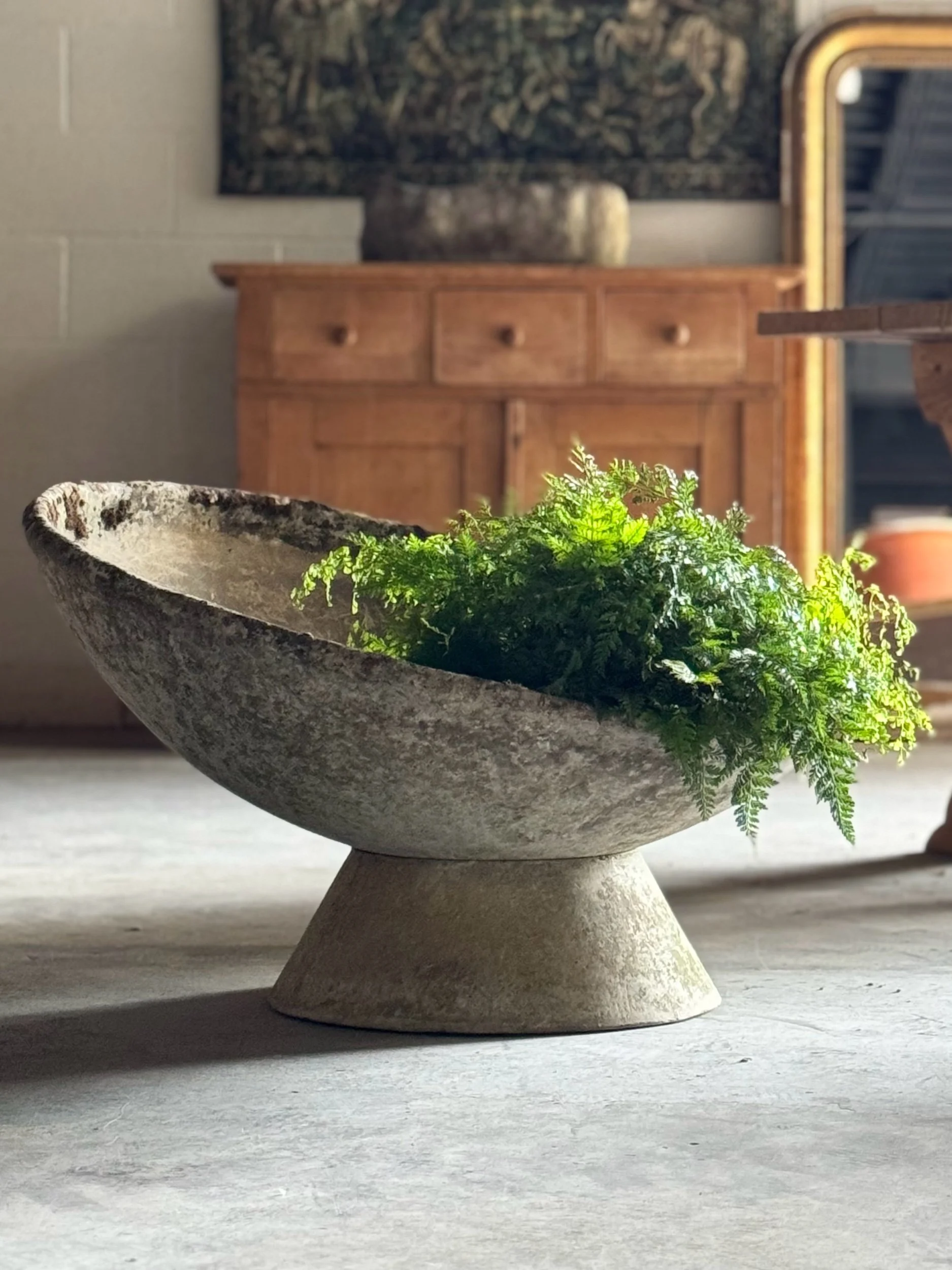 Image 1 of 26
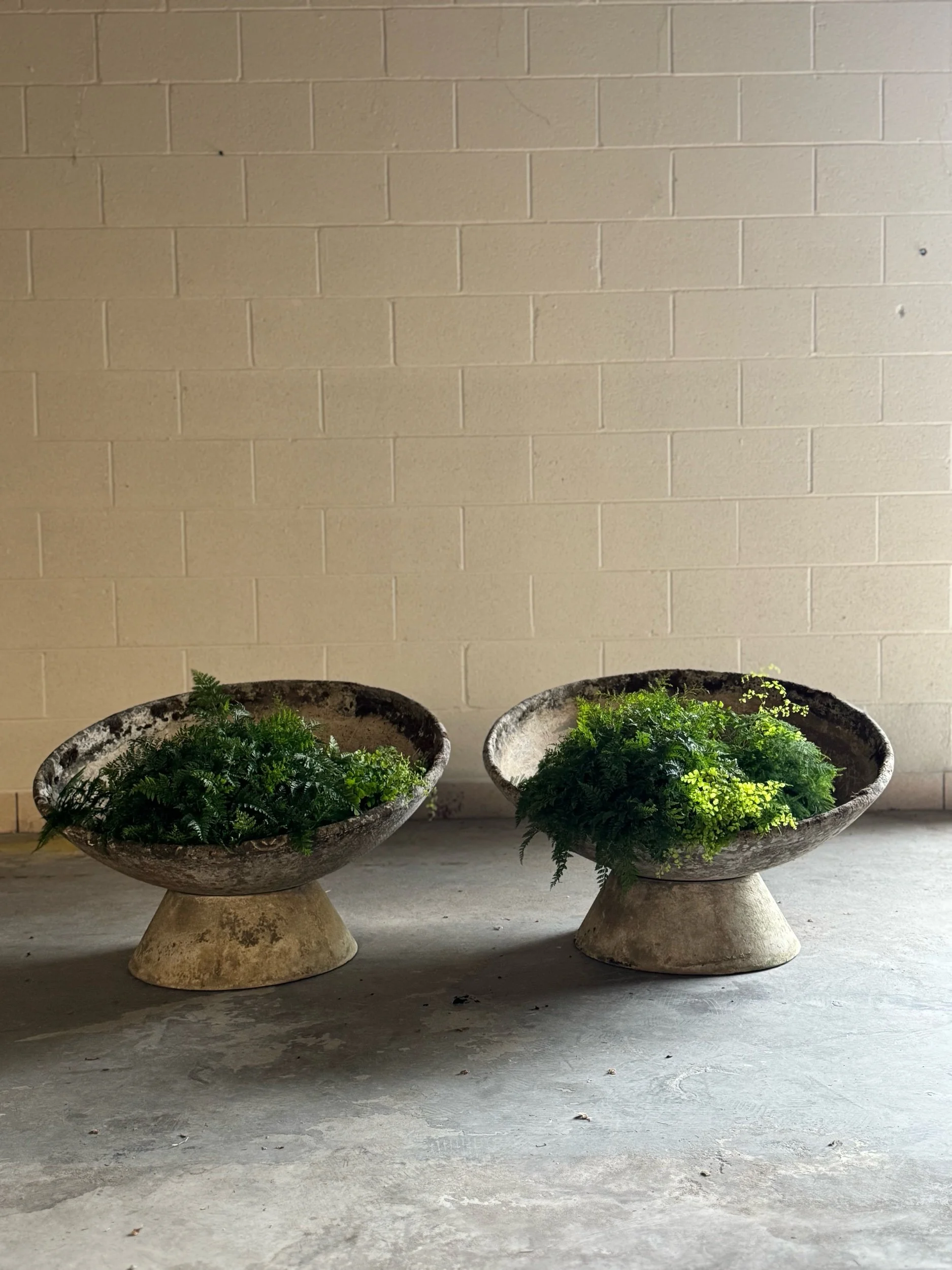 Image 2 of 26
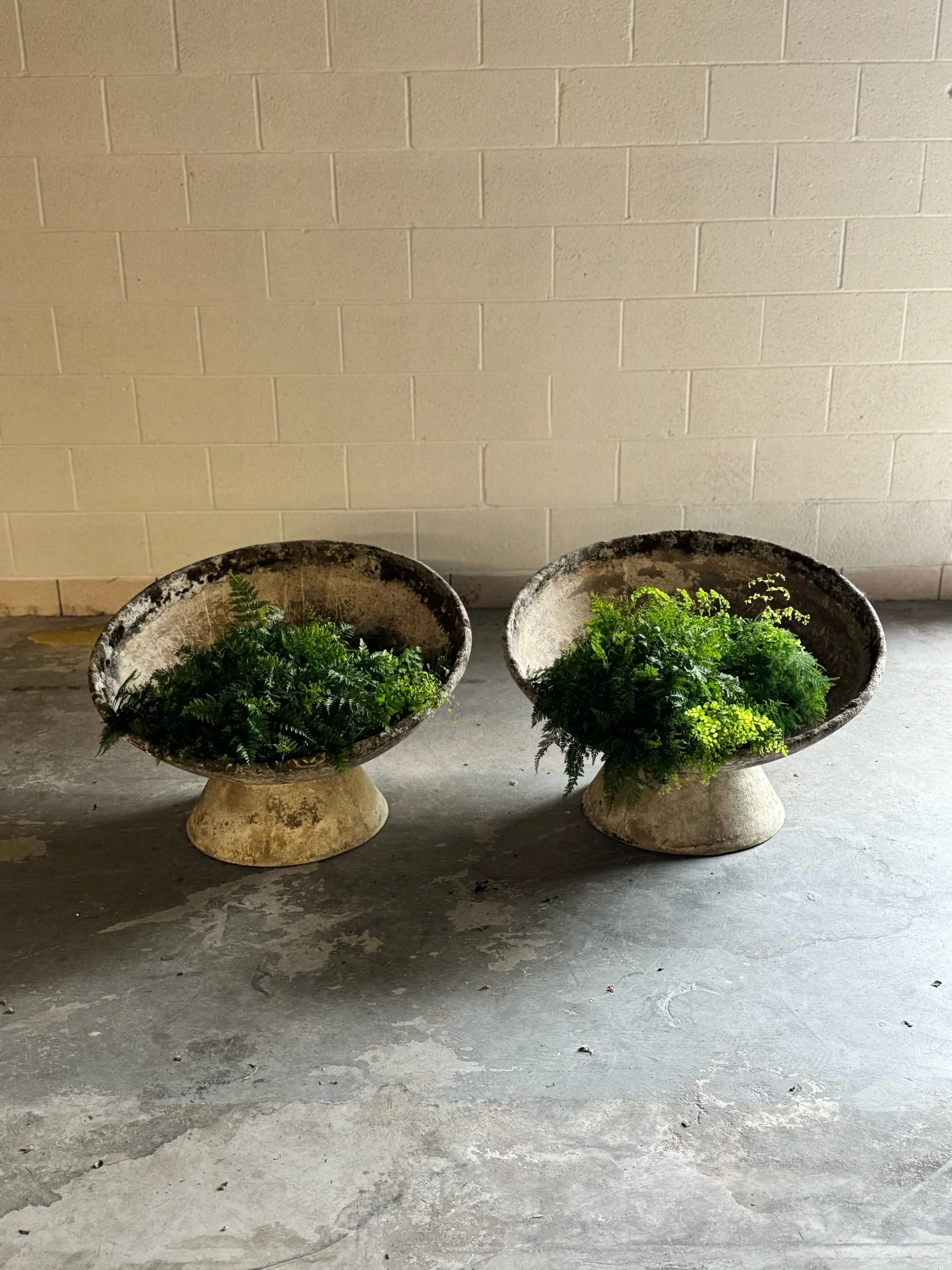 Image 3 of 26
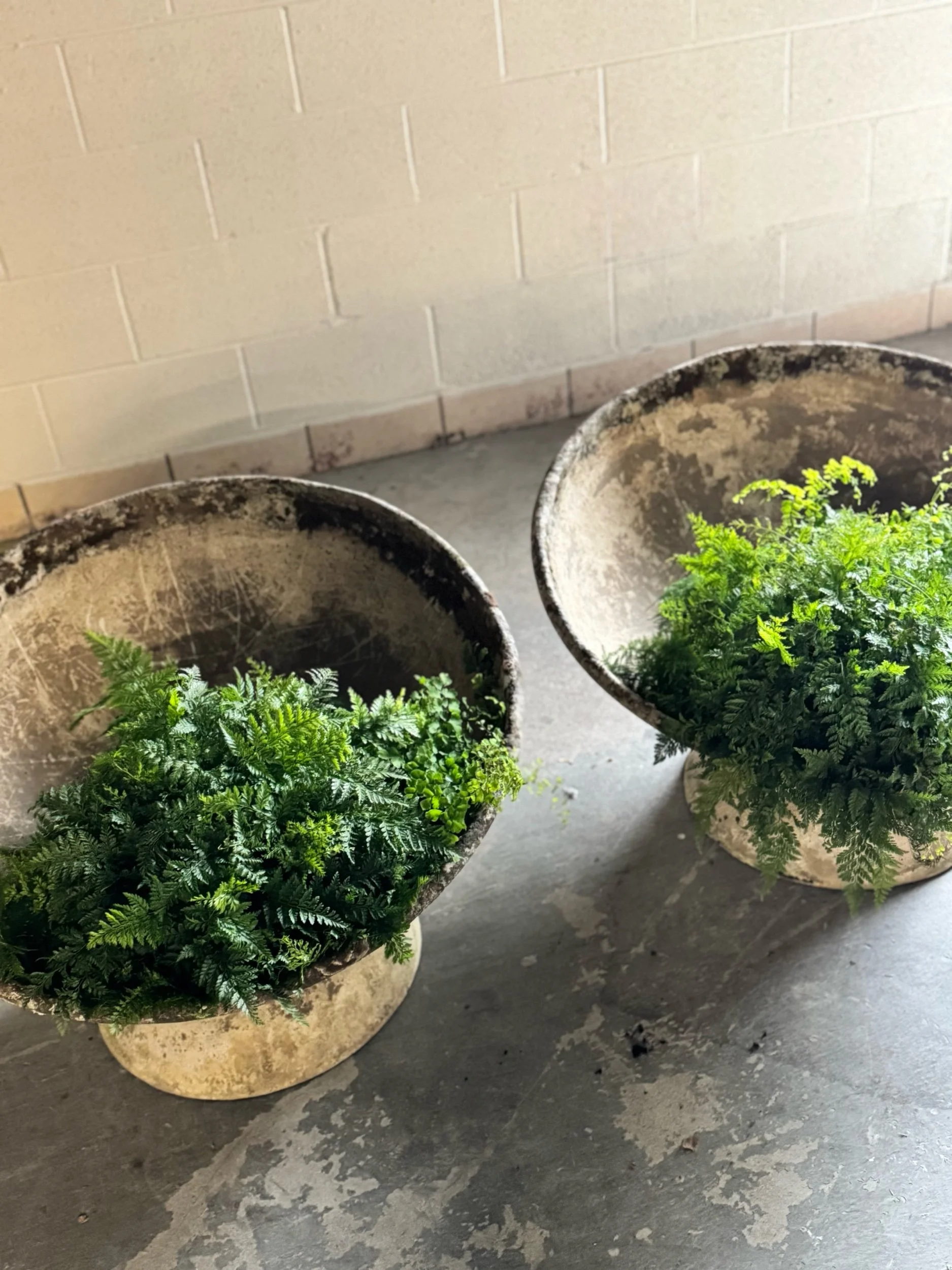 Image 4 of 26
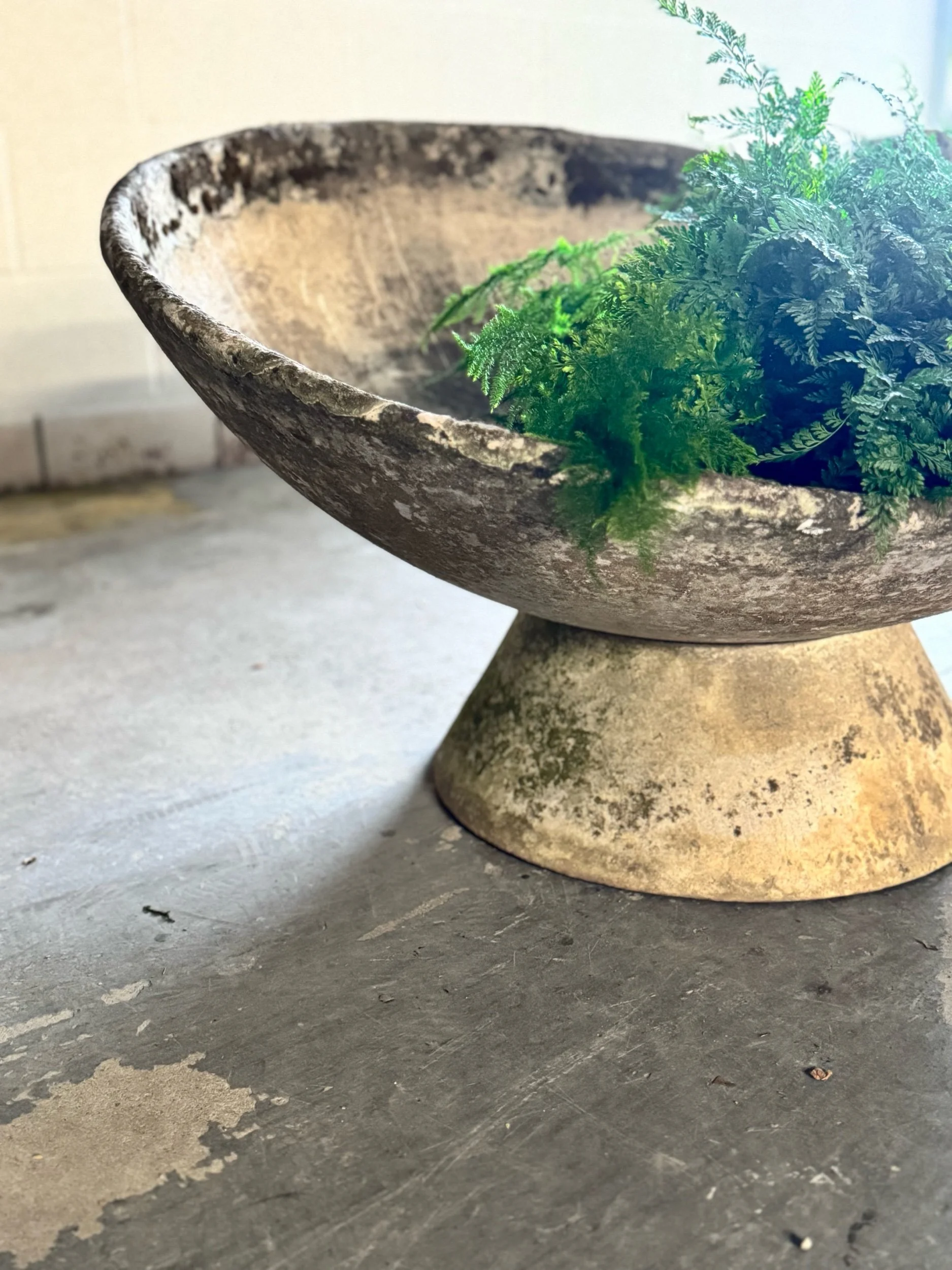 Image 5 of 26
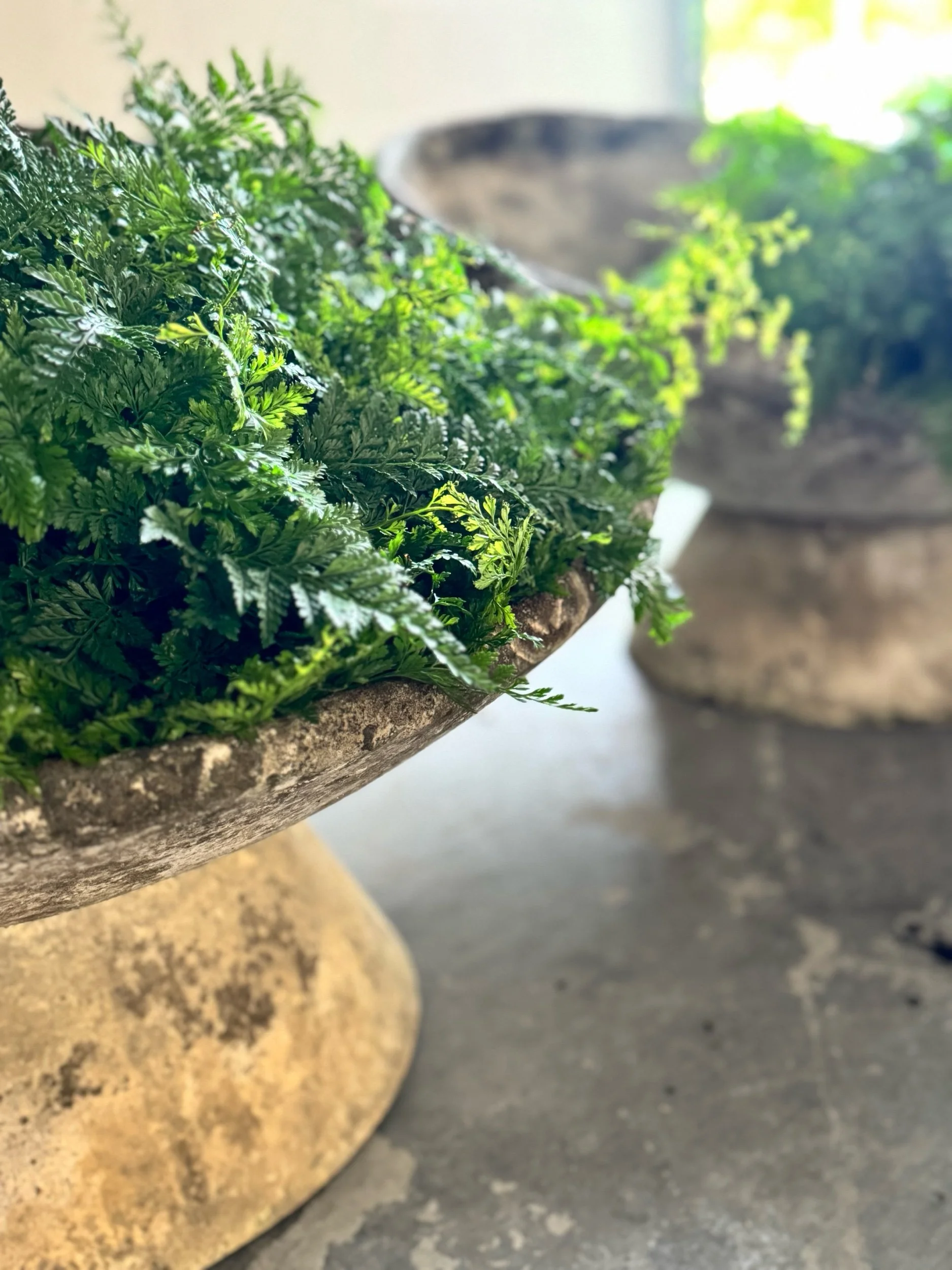 Image 6 of 26
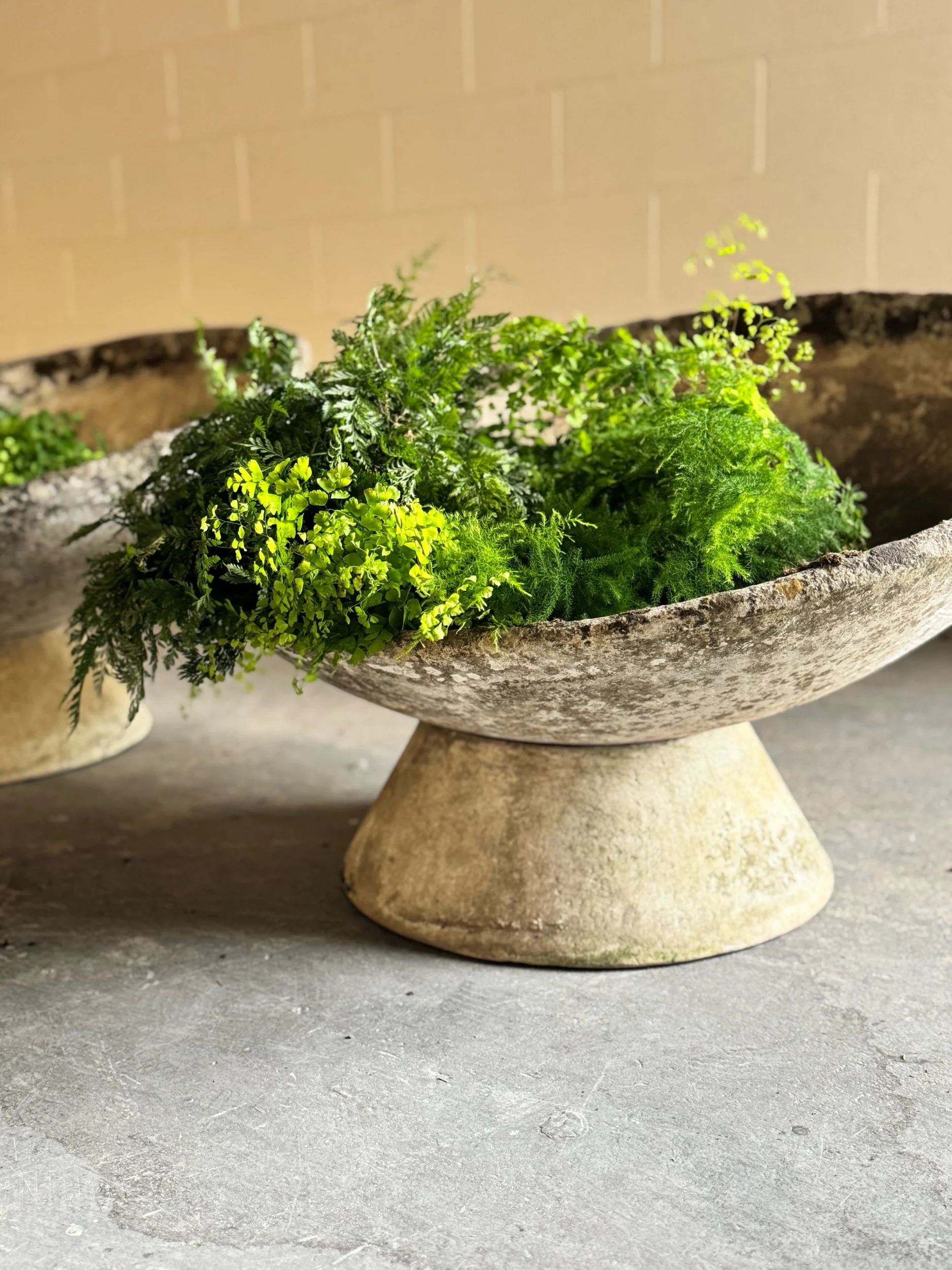 Image 7 of 26
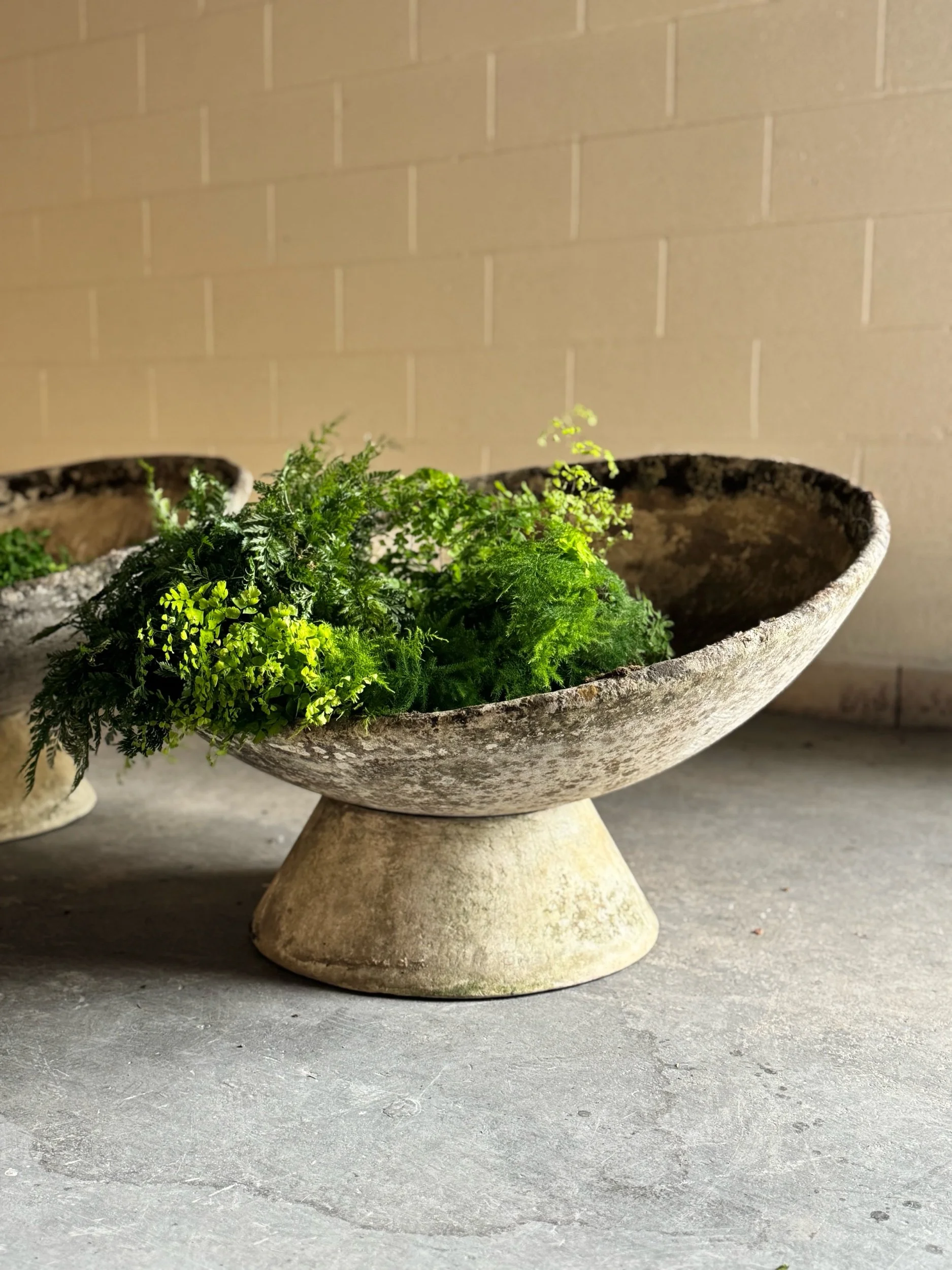 Image 8 of 26
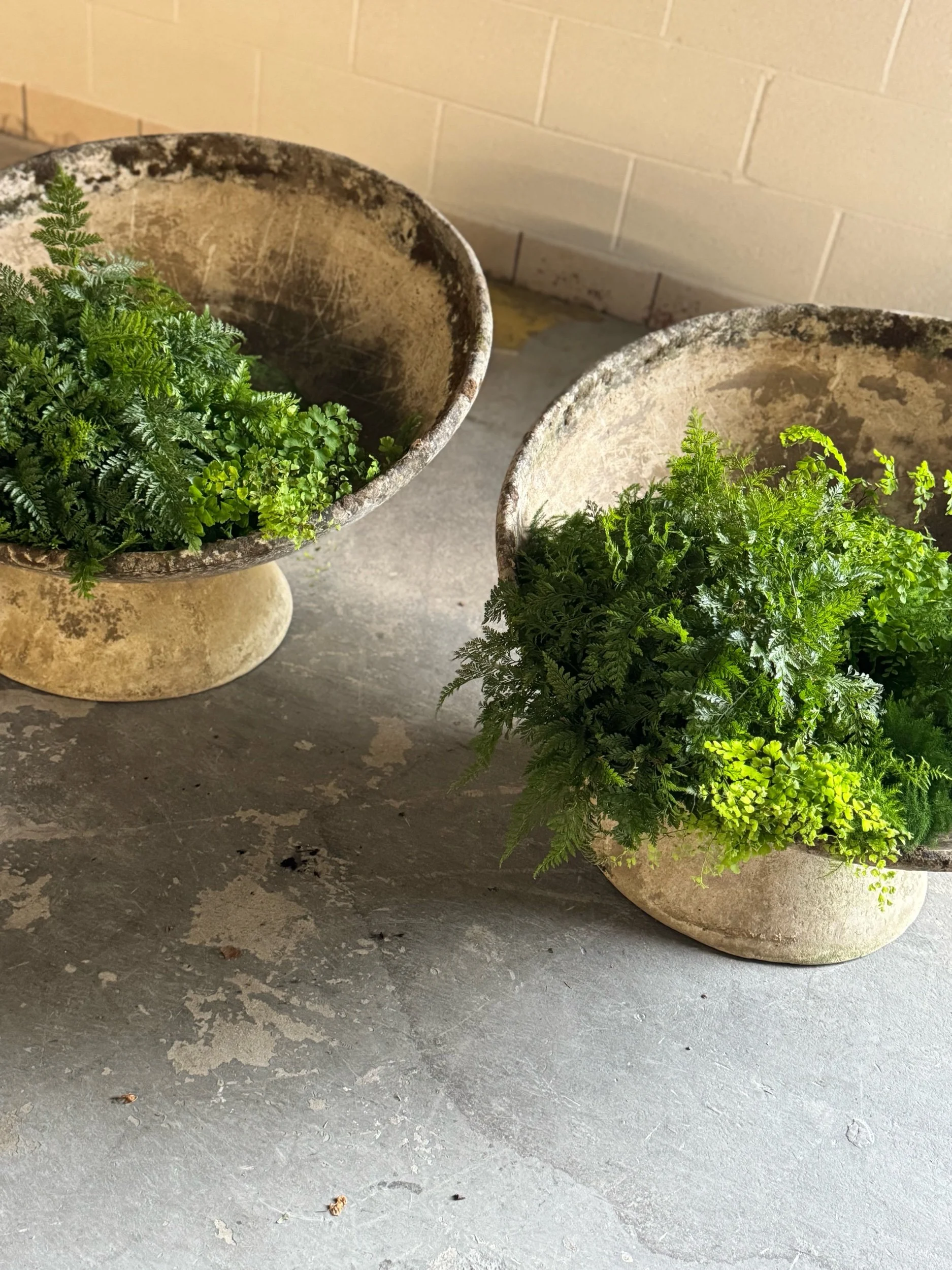 Image 9 of 26
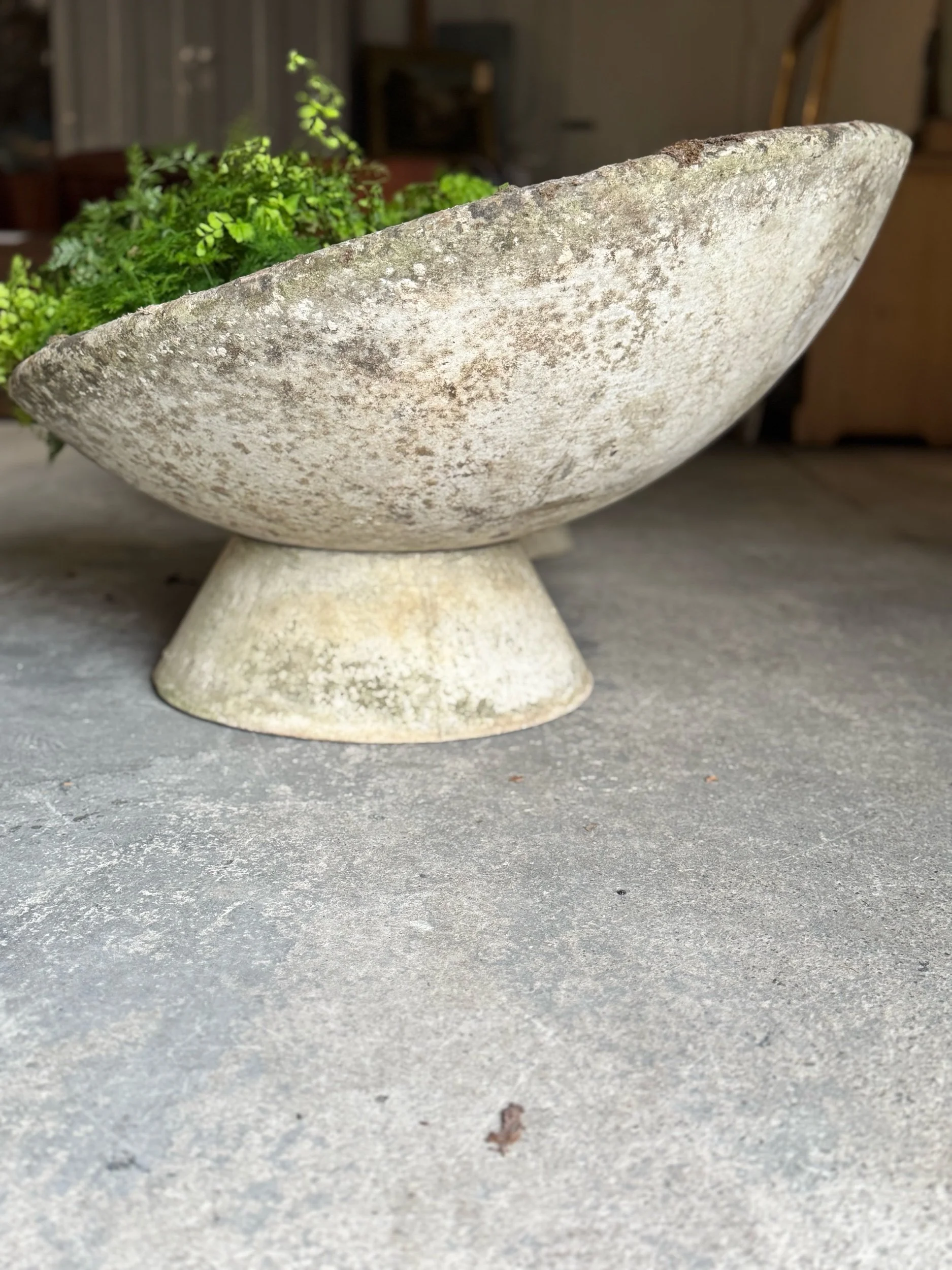 Image 10 of 26
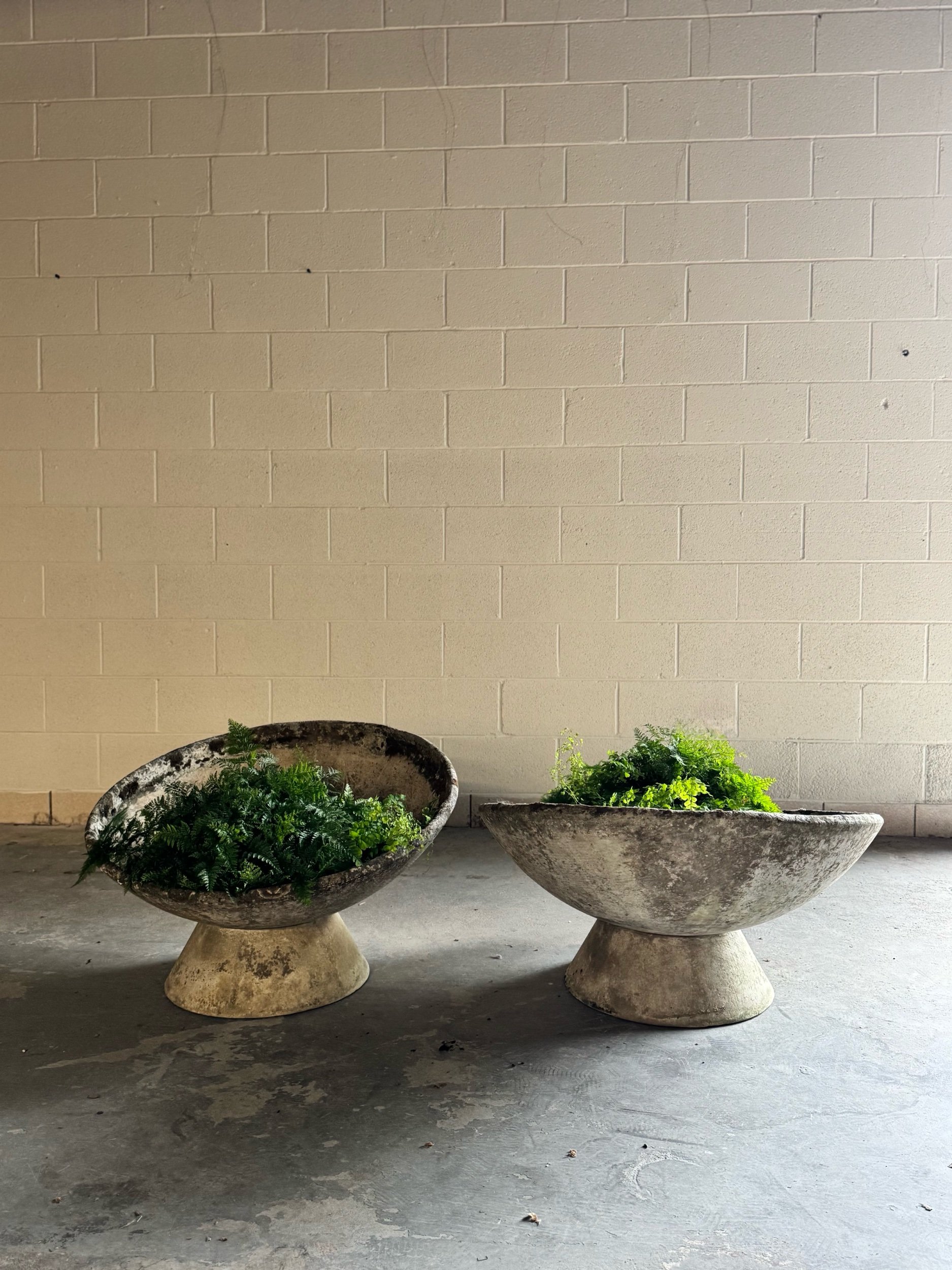 Image 11 of 26
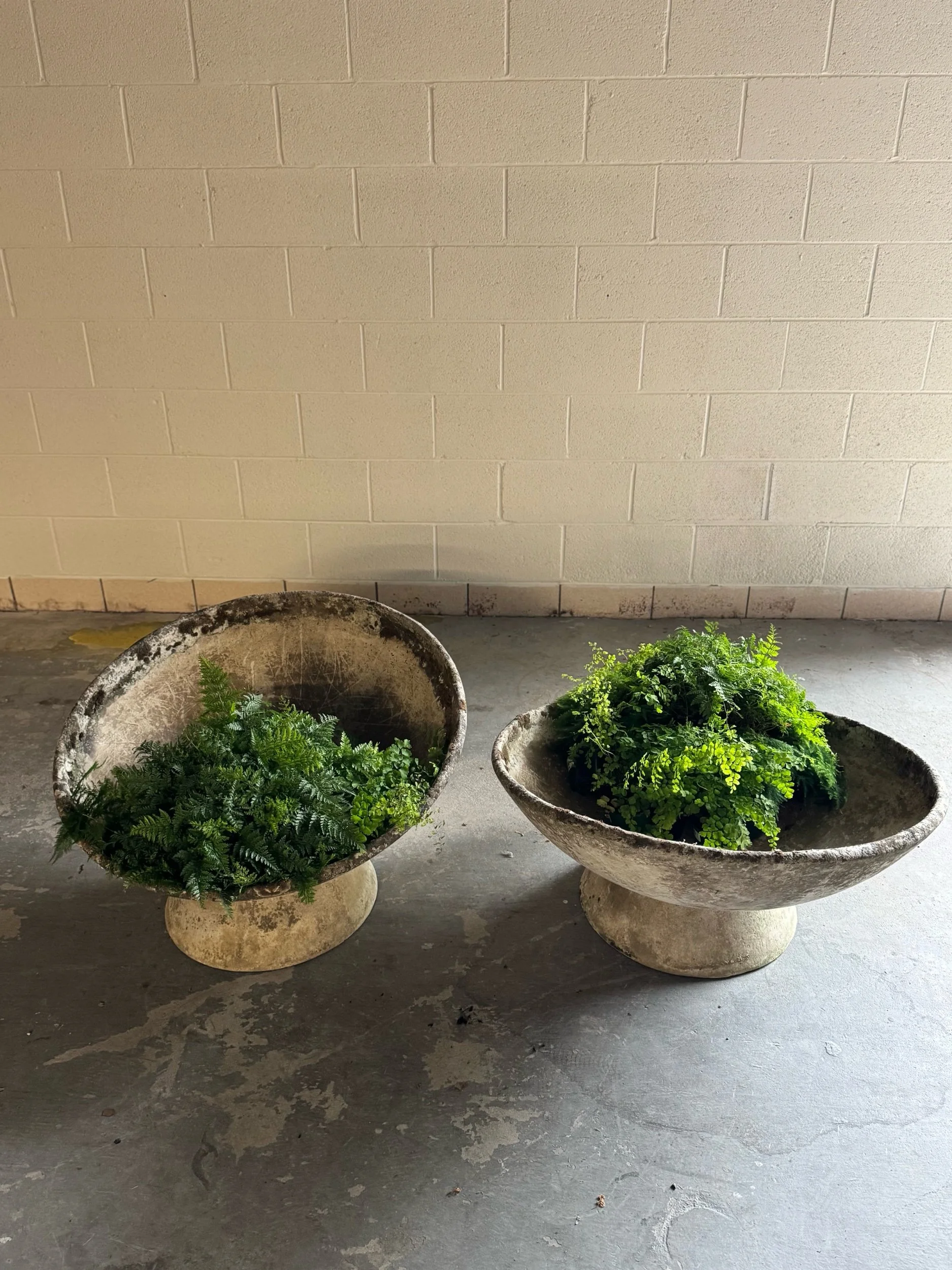 Image 12 of 26
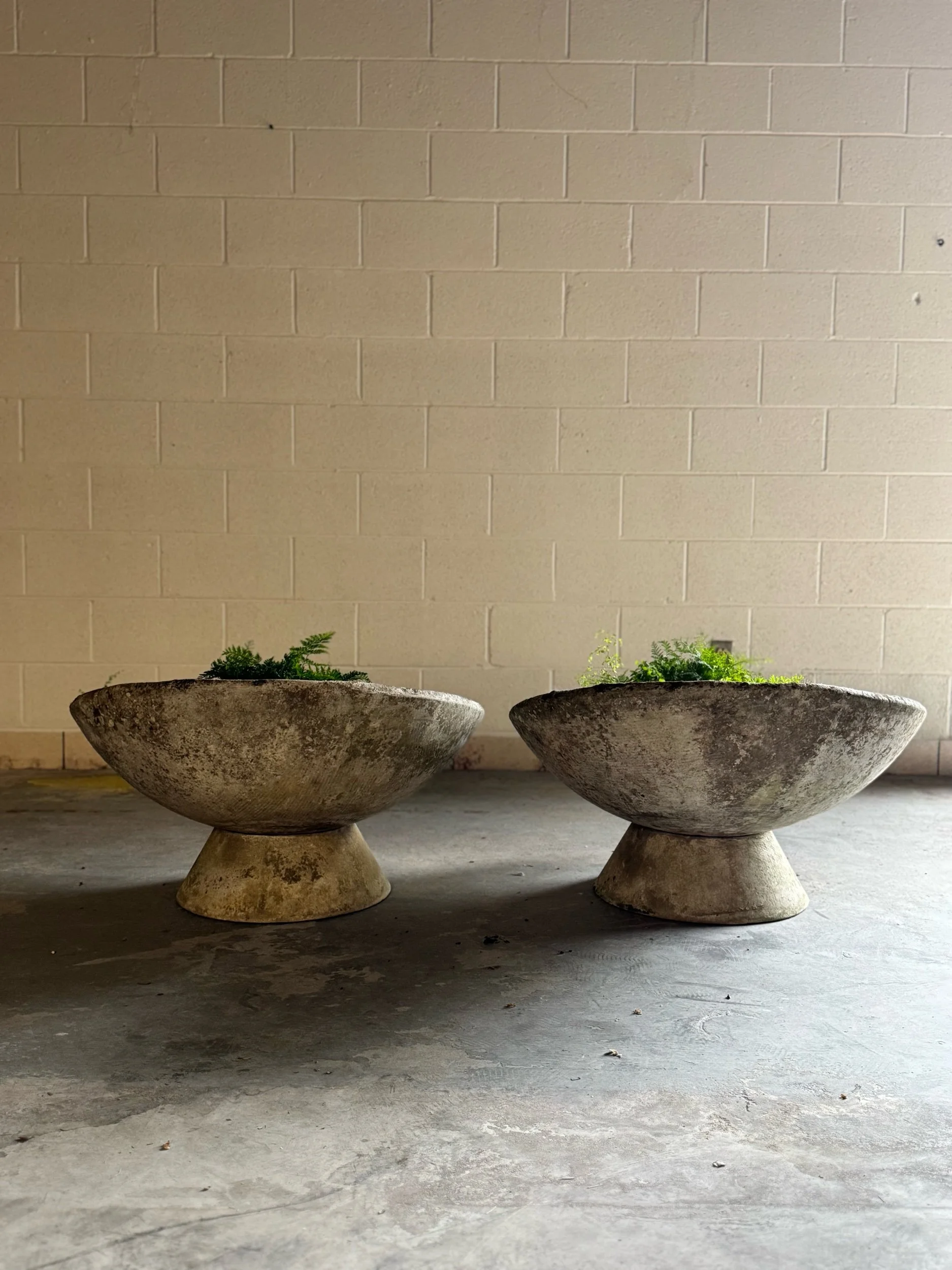 Image 13 of 26
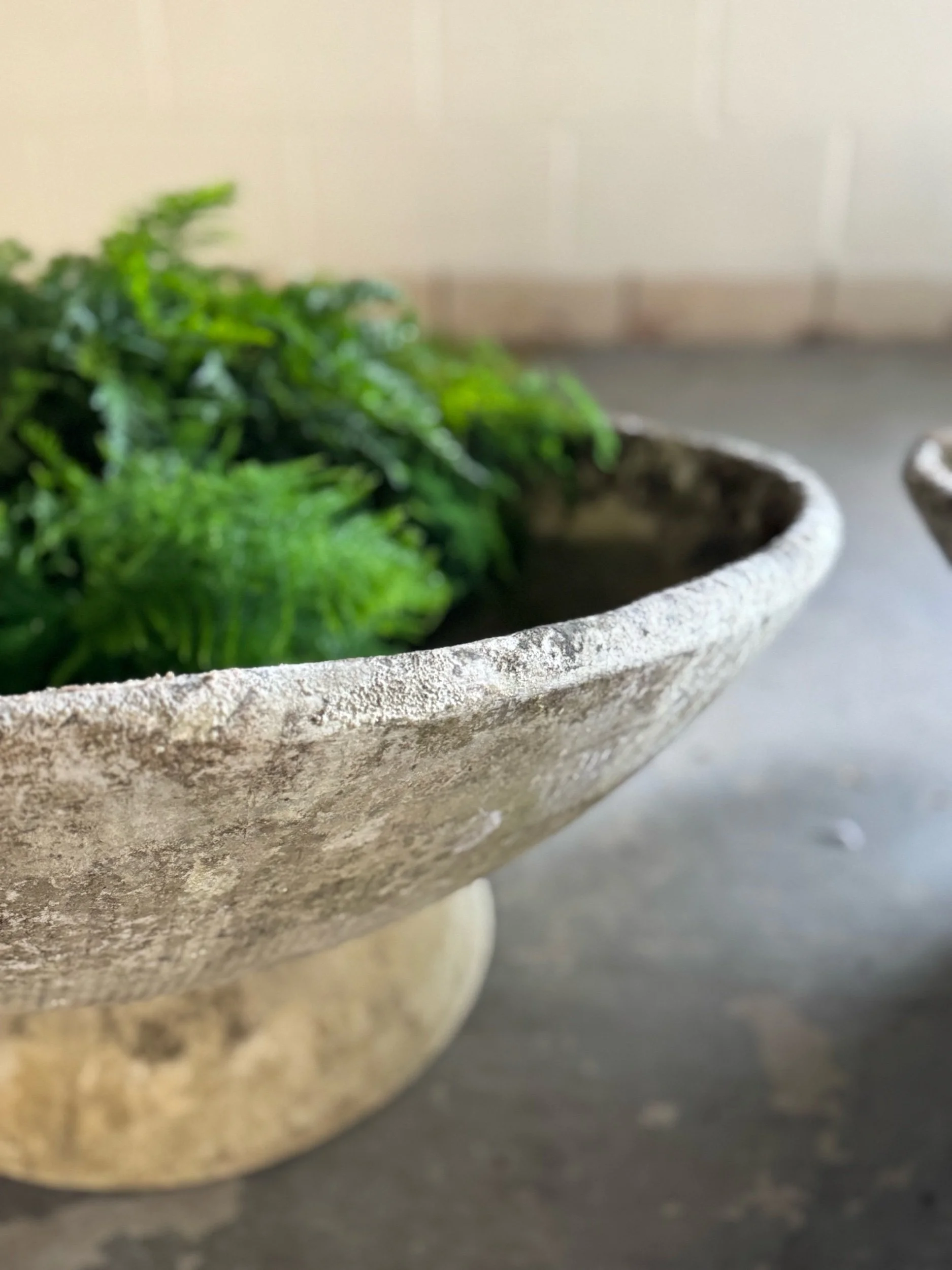 Image 14 of 26
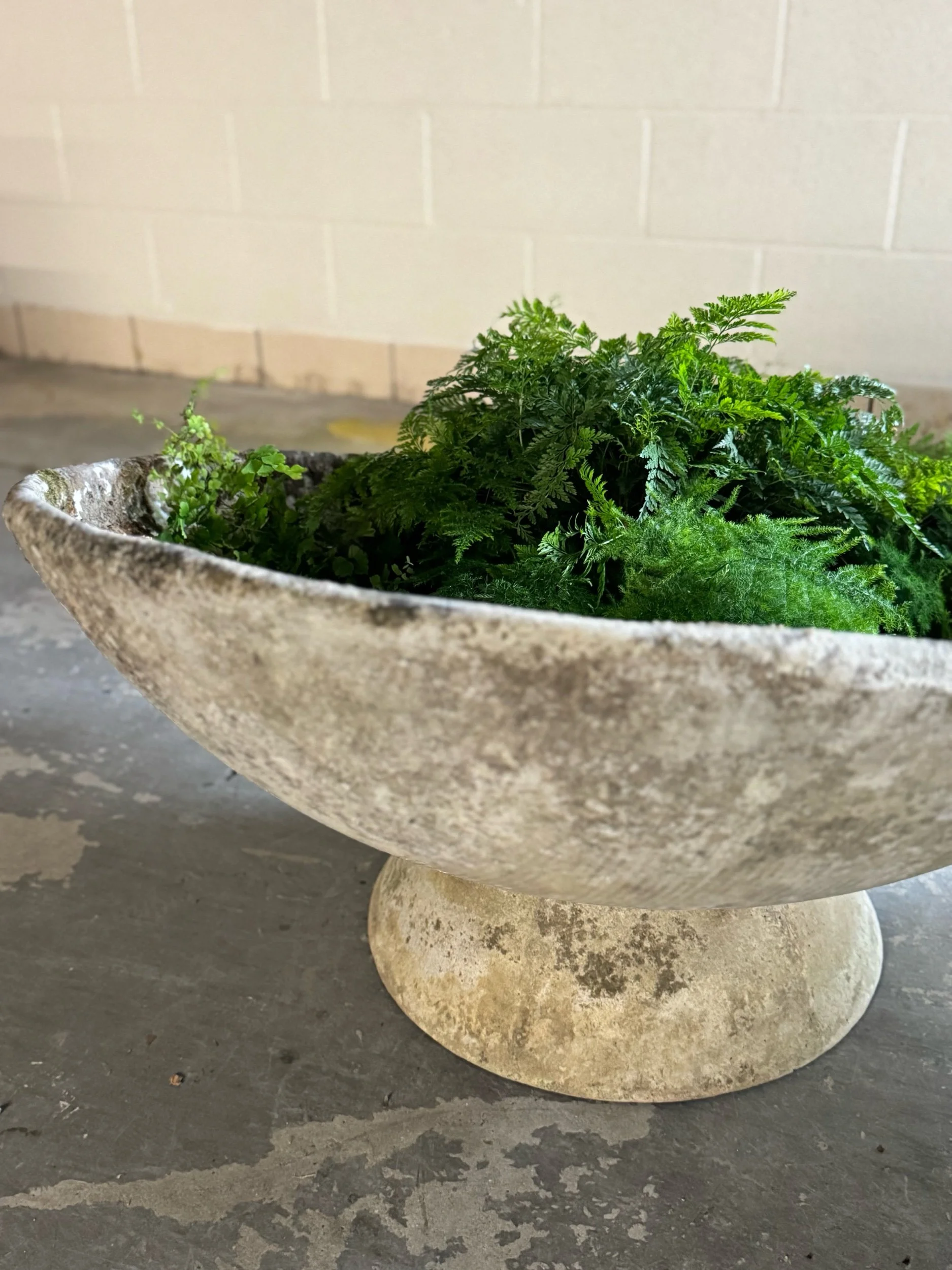 Image 15 of 26
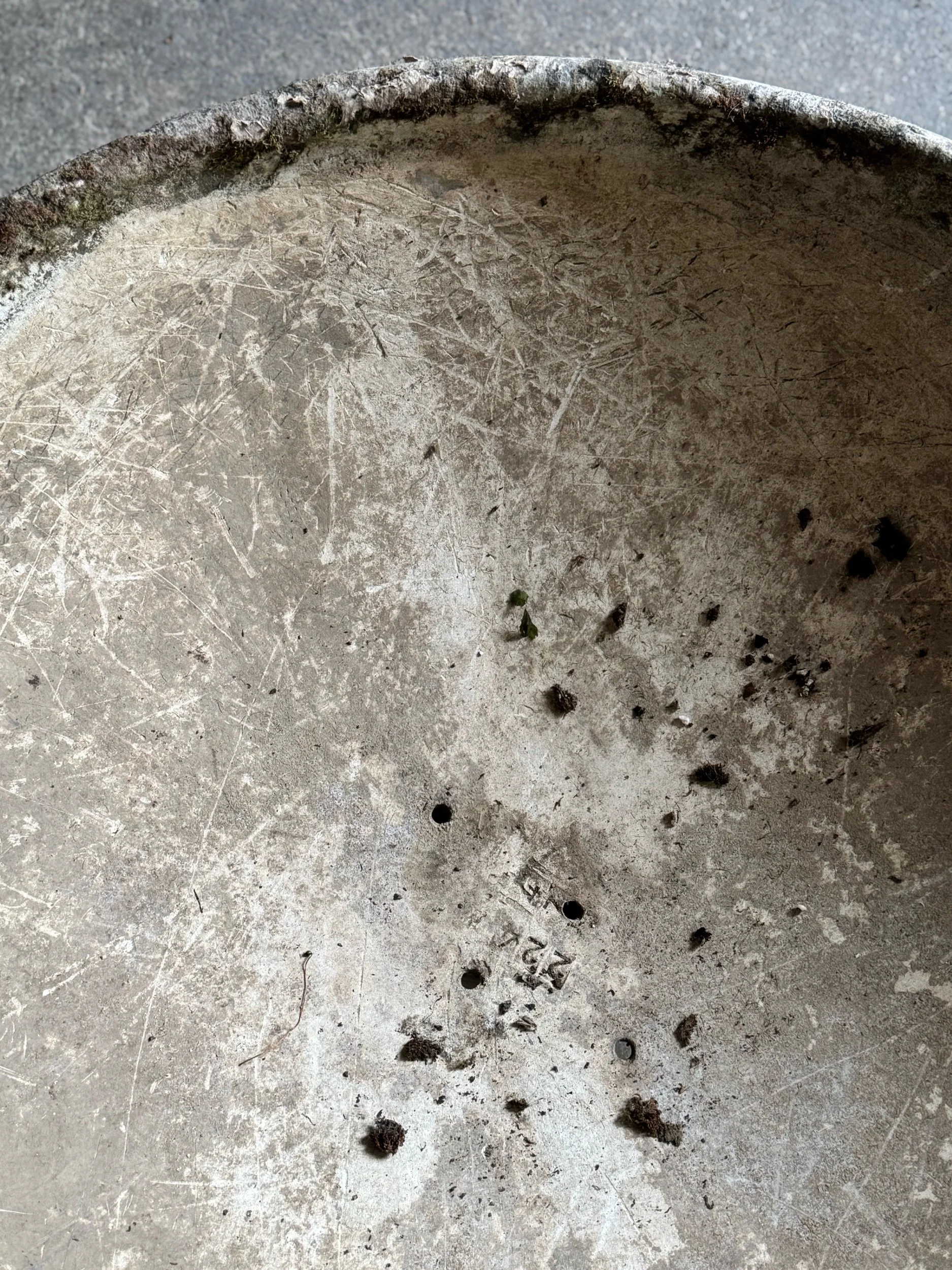 Image 16 of 26
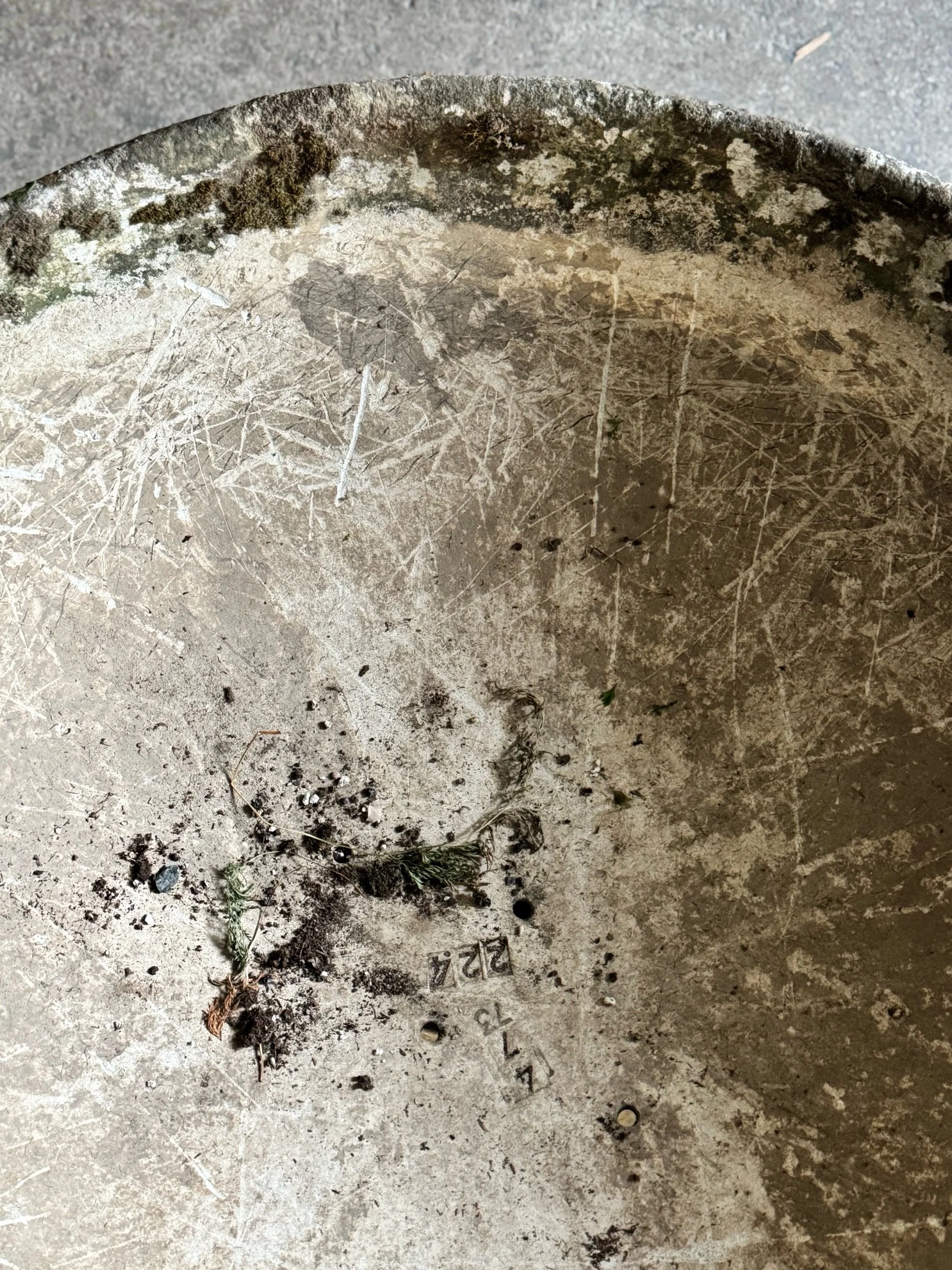 Image 17 of 26
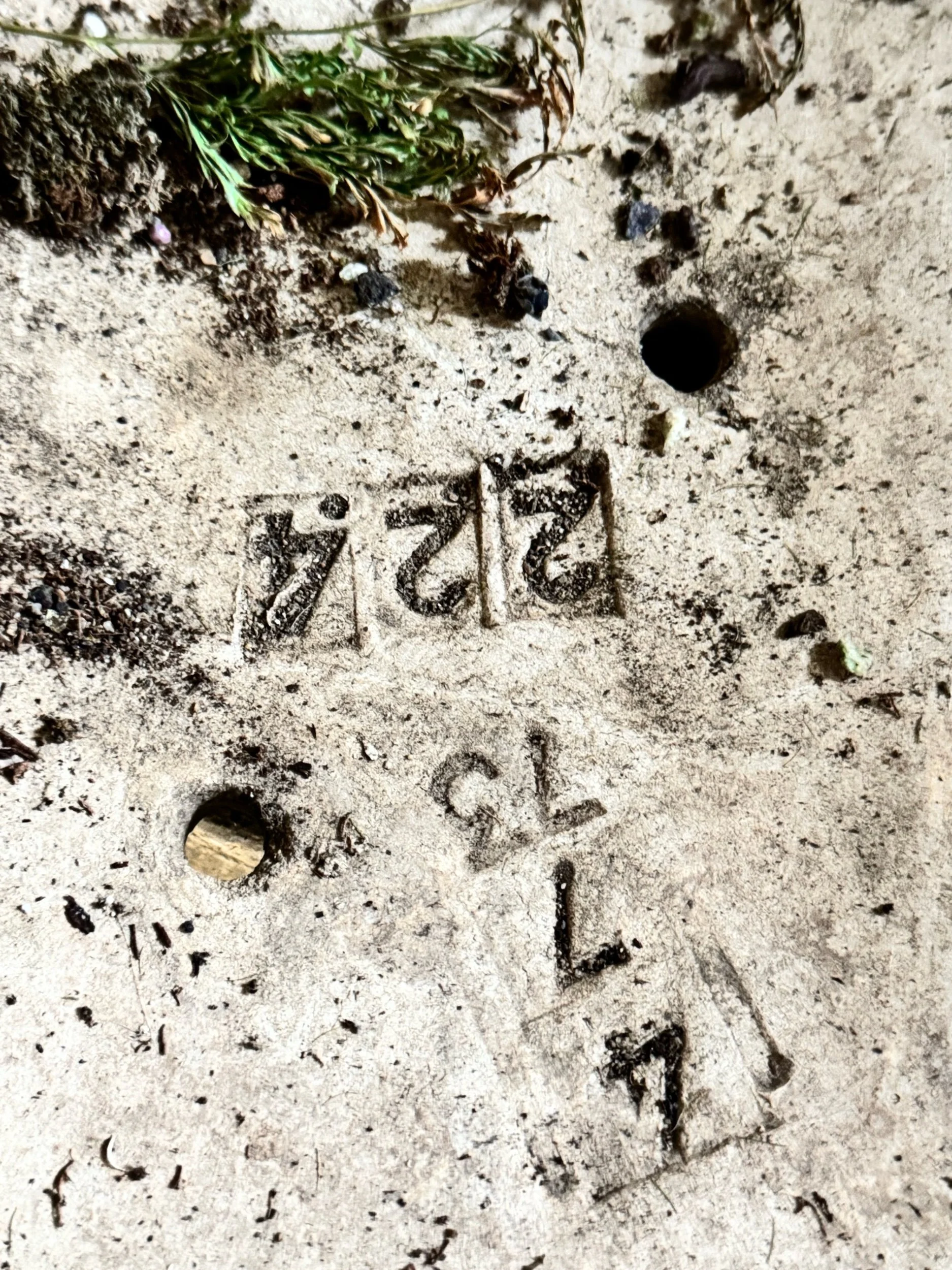 Image 18 of 26
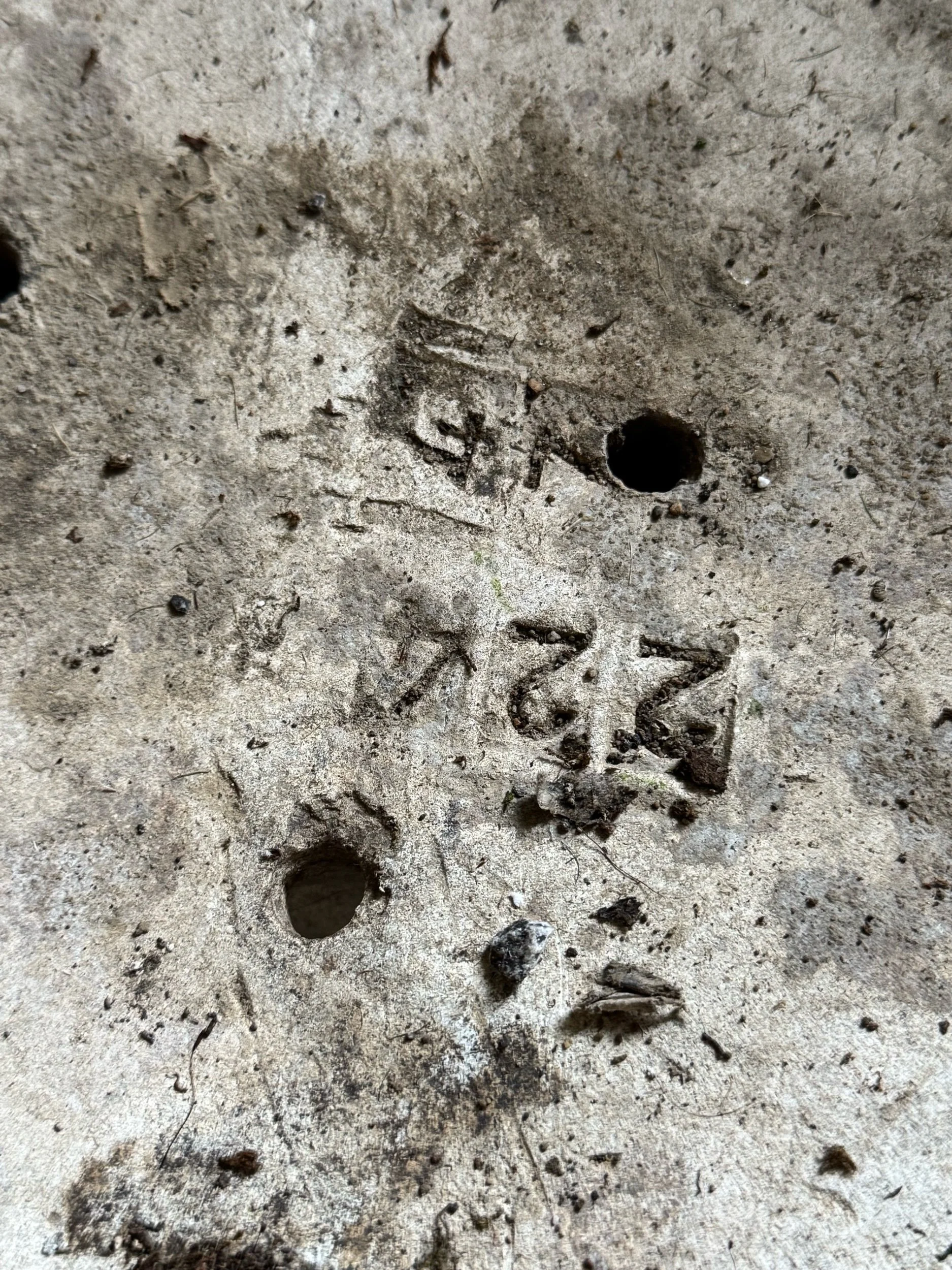 Image 19 of 26
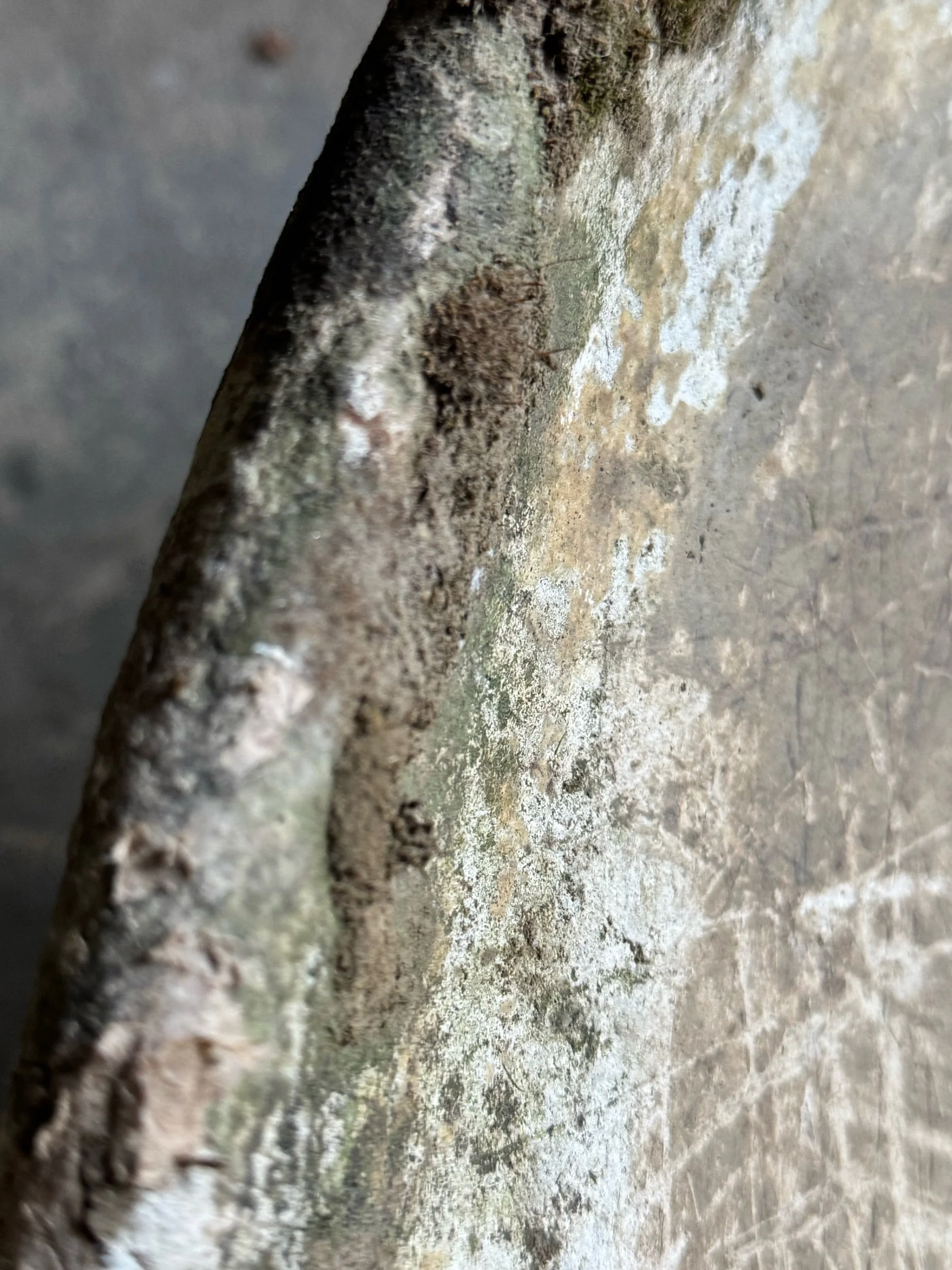 Image 20 of 26
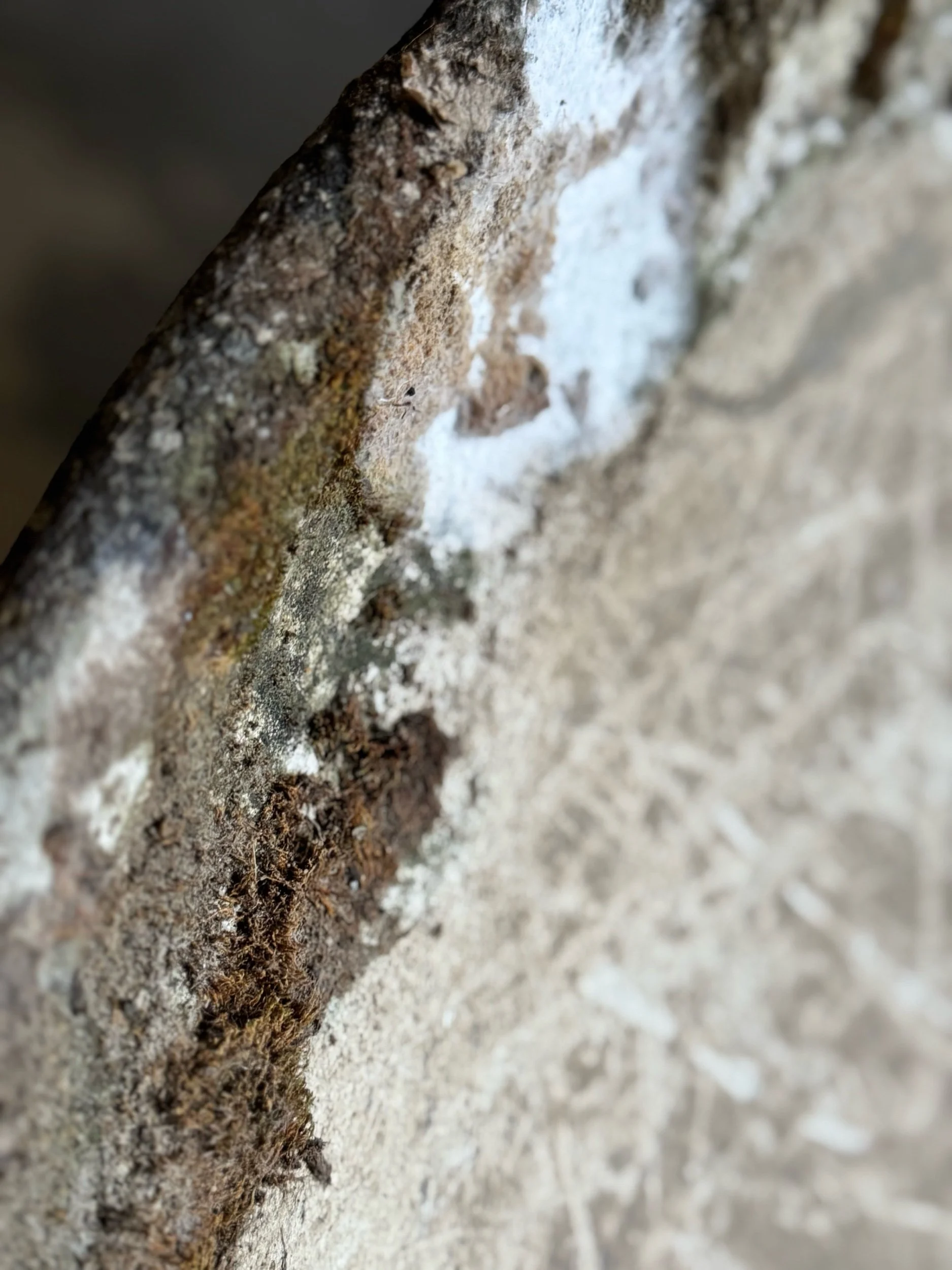 Image 21 of 26
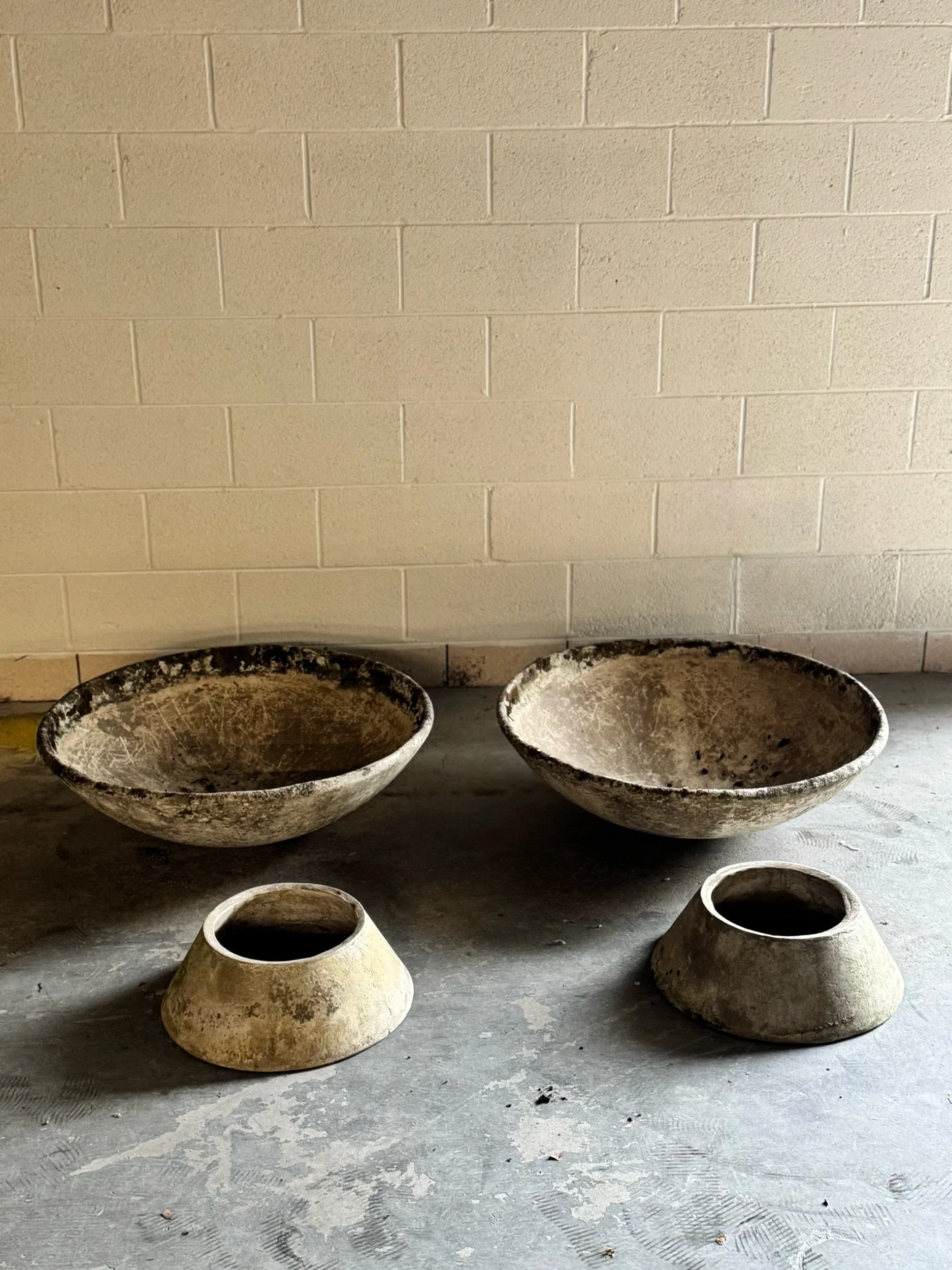 Image 22 of 26
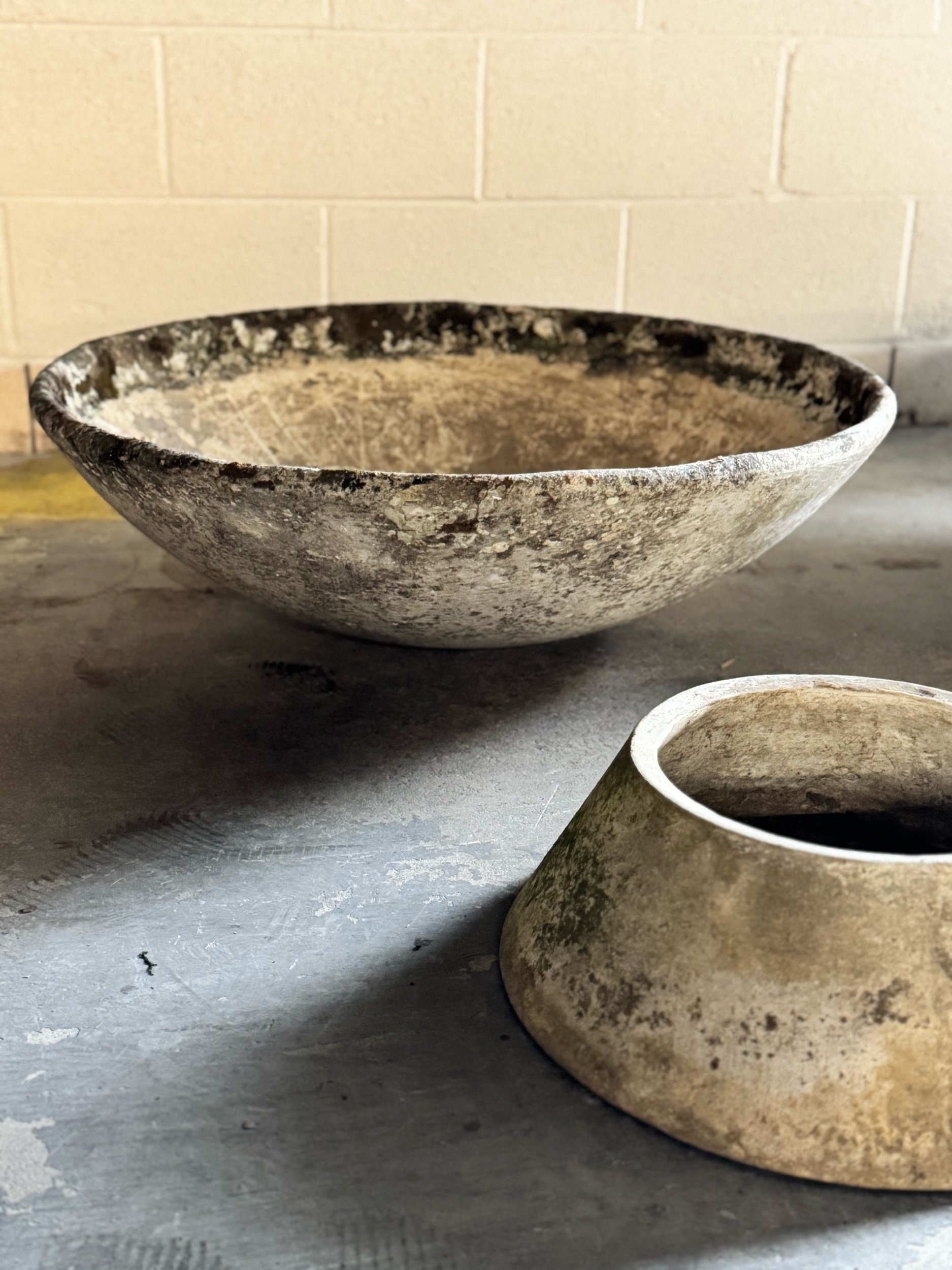 Image 23 of 26
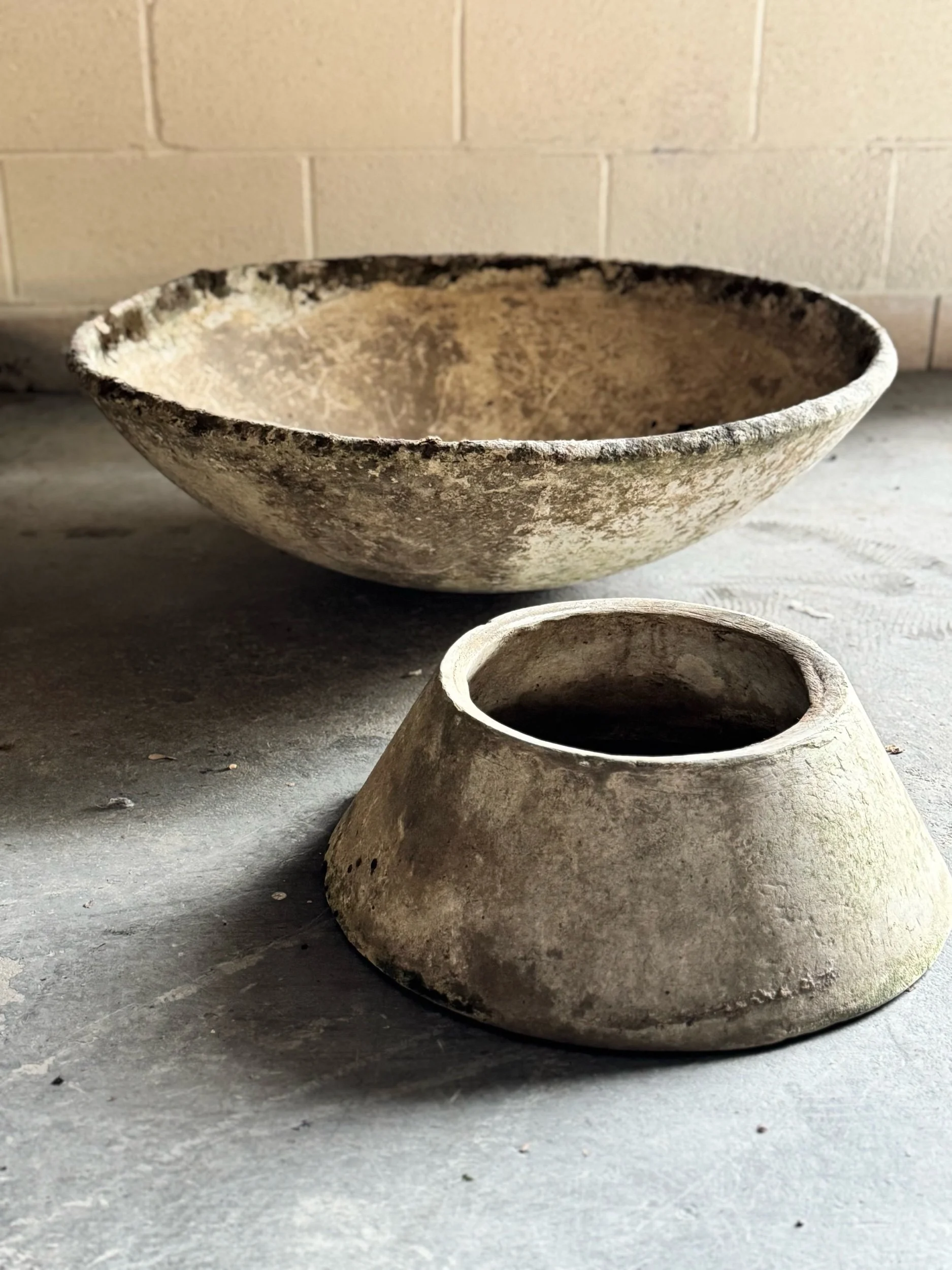 Image 24 of 26
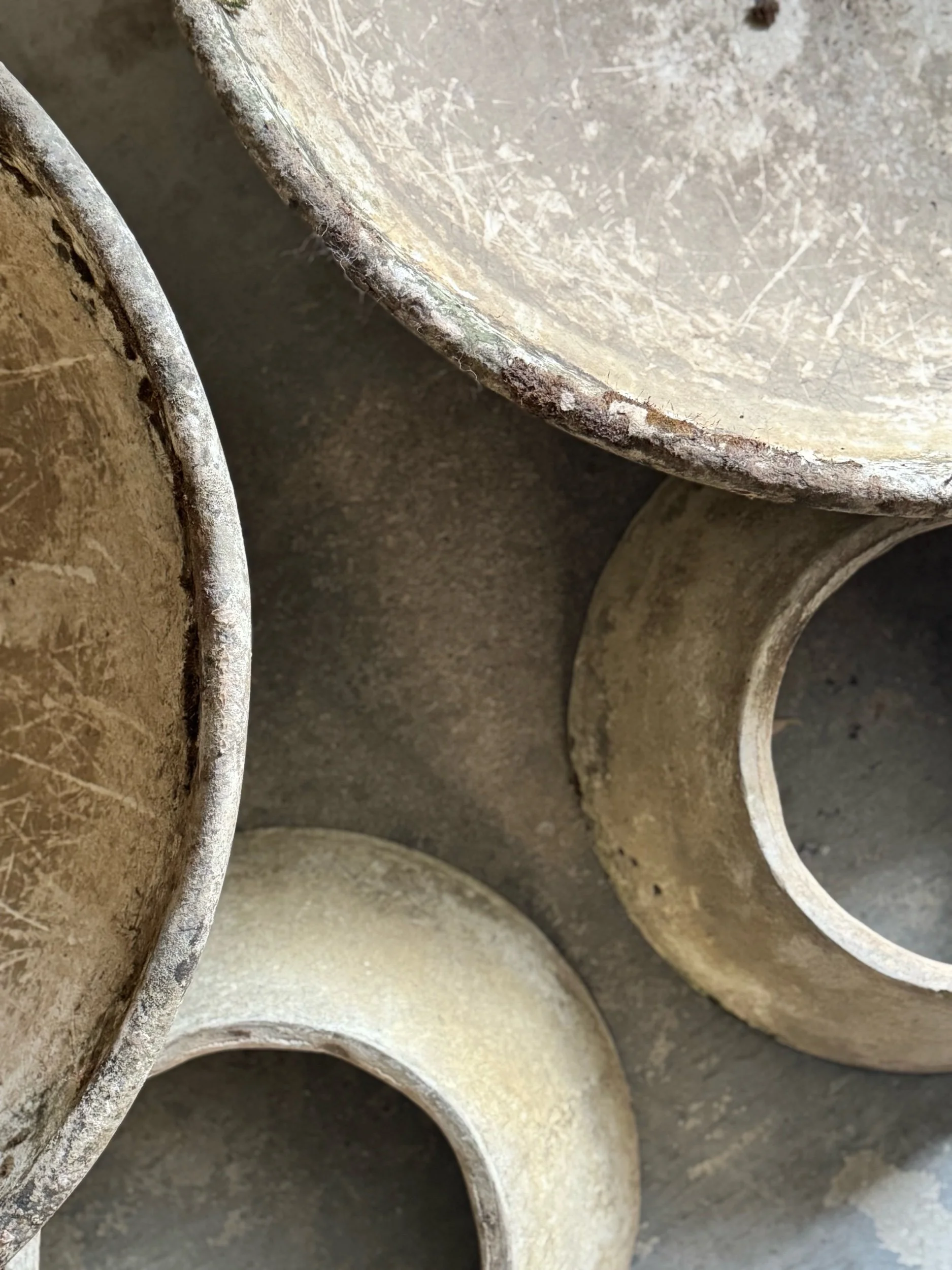 Image 25 of 26
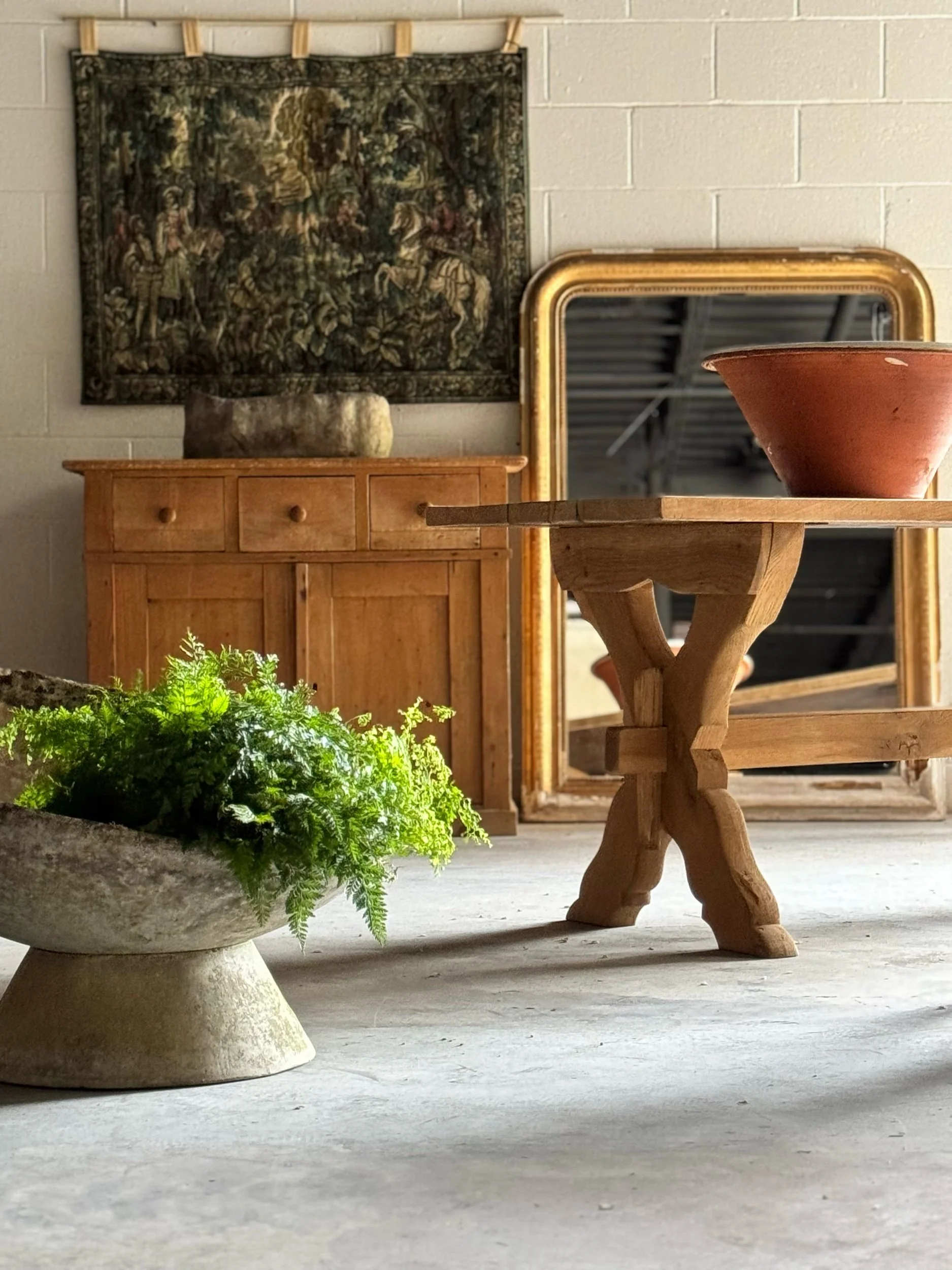 Image 26 of 26